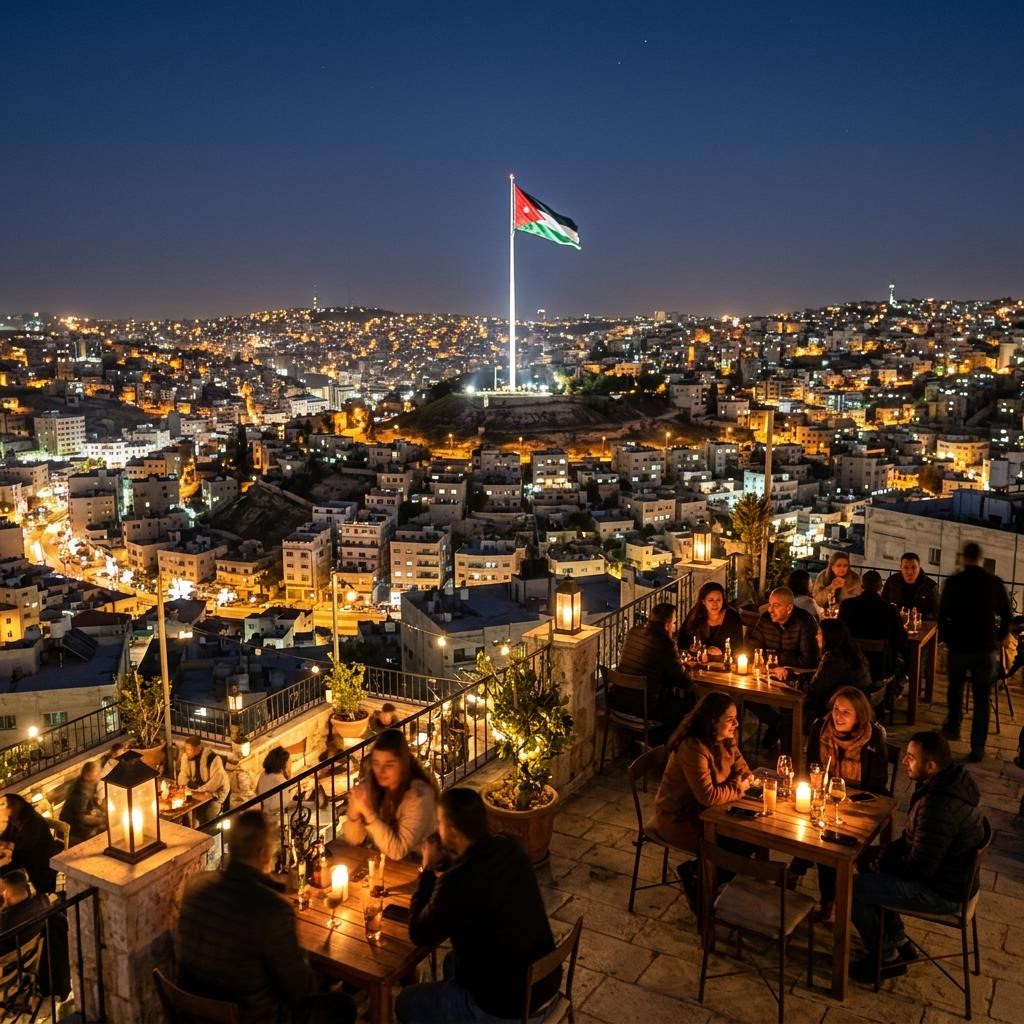
Irbid is worth visiting when you want to experience northern Jordan beyond archaeological gates and viewpoints. It is a busy university city with cafés, markets, museums and a more everyday rhythm than a resort or heritage complex. Give the center a half day or overnight if your schedule allows, then use it as a base for Umm Qais, Ajloun or other northern routes. Confirm current museum and venue details before setting out.
The best Irbid plan balances city life with one carefully chosen excursion. Trying to combine every northern highlight in a single day produces more road than experience. A private driver can connect the city to distant sites, while a licensed guide is the person to request for historical interpretation. Those roles are separate and should not be assumed to overlap.
What is Irbid known for?
Irbid is known as a major educational and commercial center in northern Jordan, with a youthful atmosphere shaped by its universities and a strong local food culture. The city is also positioned near important ancient sites, including Umm Qais and Pella, so it makes a useful northern stop for travelers who want more than a quick photograph on the way north.
Its appeal is ordinary as well as historical: people meeting for coffee, shops serving regional dishes and streets that become especially active after the heat of the afternoon. Approach it as a living city. Ask before photographing people, dress respectfully and let residents set the pace of interactions. A local guide can add context without turning daily life into a staged performance.
What should you do in Irbid?
Begin with the city’s museums and cultural collections when they are open, then walk a central market or neighborhood selected with local advice. The exact list and opening arrangements can change, and some smaller venues have limited schedules, so verify before promising a particular stop. Leave time for a café or meal rather than filling every hour with transfers.
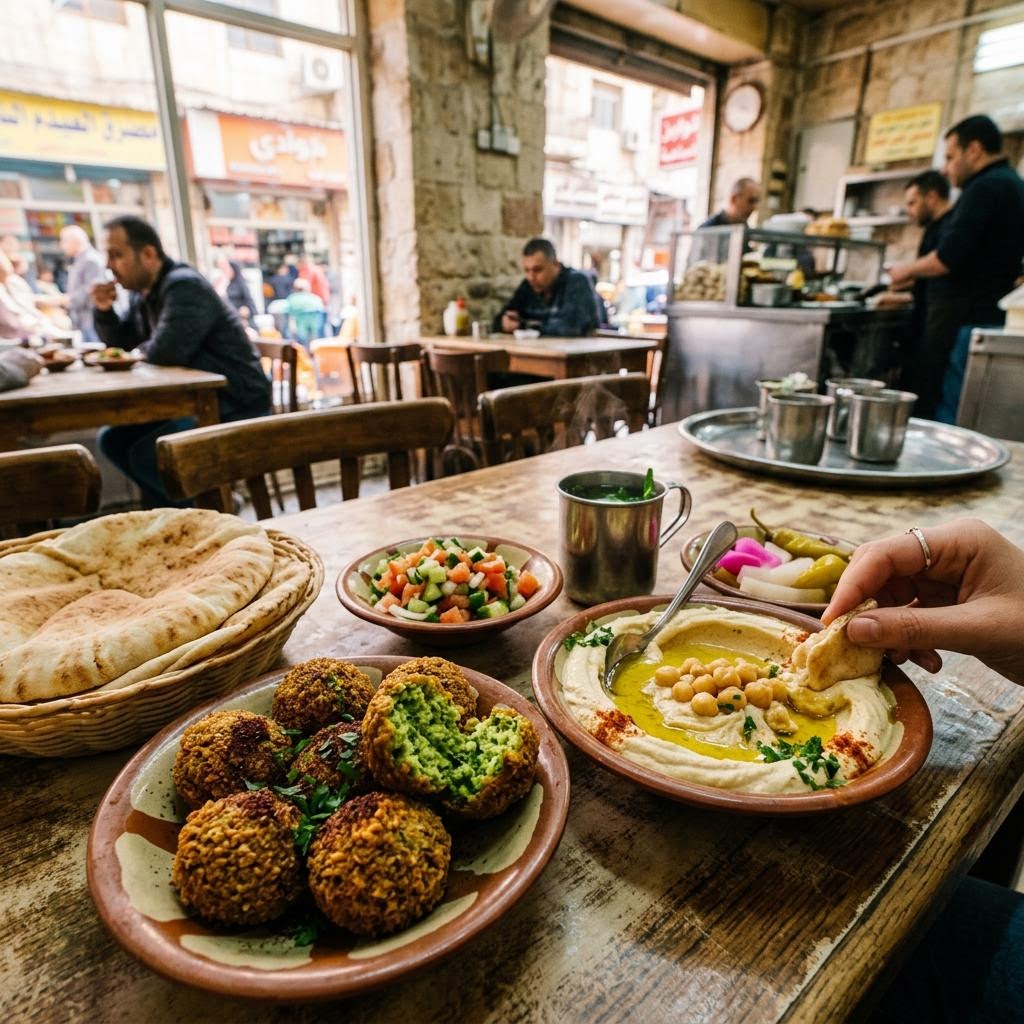
Food is a practical way to understand the north. Look for seasonal produce, breads, mezze and local specialties, and ask about ingredients if you have allergies. Restaurant recommendations age quickly; confirm current hours and availability on your date. A culinary-focused custom route can pair Irbid with a market or family-style meal, but the venue and inclusions must be agreed in advance.
How long should you spend in Irbid?
A half day introduces the center and leaves time for a nearby stop, while a full day lets you slow down through museums, food and neighborhoods. An overnight is more comfortable if you are also visiting Umm Qais, because the latter is a substantial drive from Amman and deserves more than a rushed circuit. Build the itinerary around the sites you most want to understand.
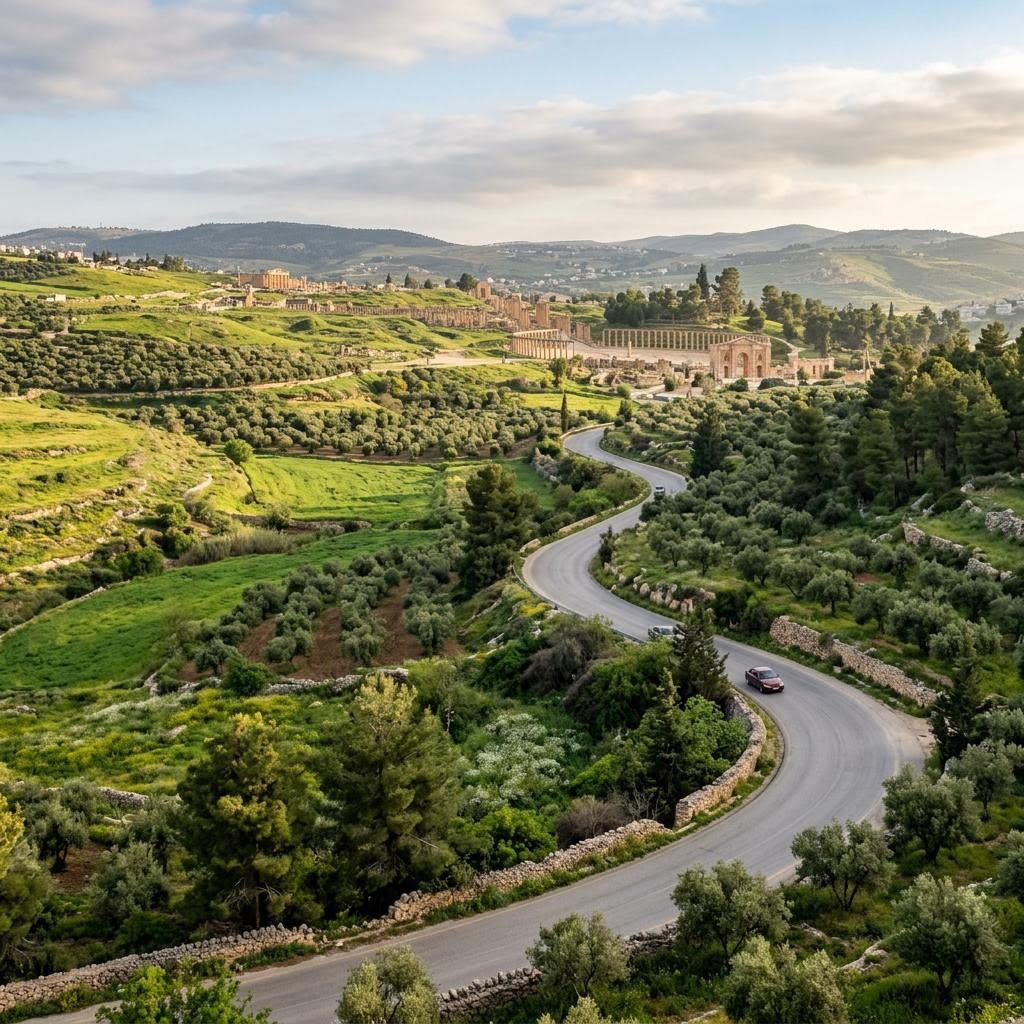
Spring often brings pleasant temperatures and green northern landscapes, while summer afternoons can be hot and winter may be rainy or cool. These are general patterns. Check the forecast, traffic and venue status, and avoid making a distant evening connection dependent on an exact café departure. Current availability and changeable details should be confirmed close to travel.
Irbid as a base for northern Jordan
Irbid can serve as a practical base for Umm Qais, Ajloun and other northern destinations, but map distance is only part of the calculation. Hills, town traffic, meal stops and the amount of time you want at each site all matter. Decide whether the day’s priority is archaeology, scenery, food or a mix, then choose a route that protects that priority.
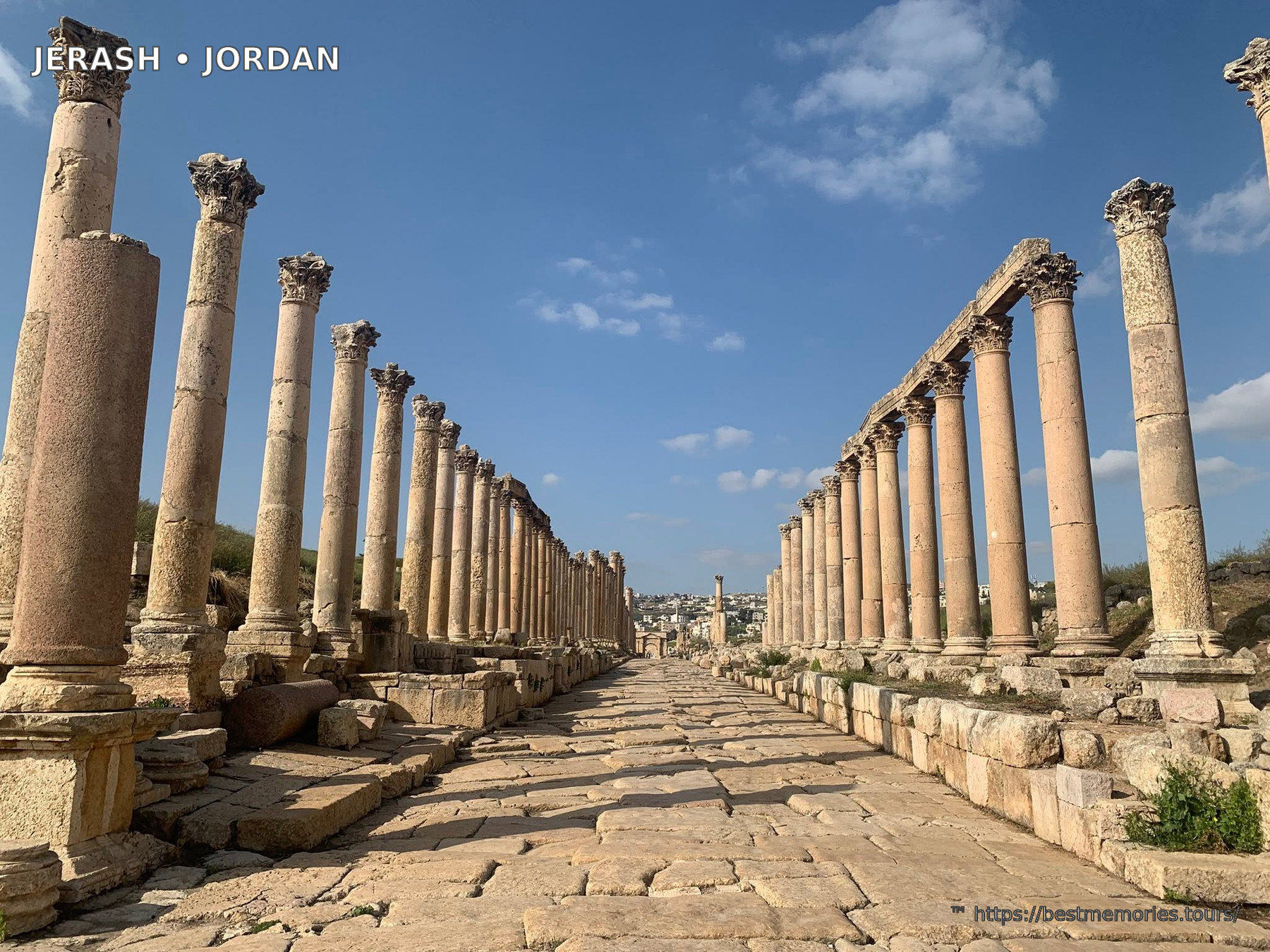
Umm Qais and Ajloun have different characters: one is a basalt archaeological ridge with broad views, the other a hilltop Islamic castle amid greener country. Pairing both with Irbid can work over a full day only when the visit to each is concise. A two-day northern plan is kinder for travelers who want a licensed guide and time to look closely.
Getting around Irbid
Within the city, walking and short local rides may suit an independent traveler, although traffic and unfamiliar streets can make a local orientation useful. For outlying ruins, a private driver is more predictable than trying to connect several irregular routes. Tell the driver the exact museum, trailhead or village rather than using a broad city label, and agree where waiting will happen.
A driver handles transport and road logistics; a licensed guide leads interpretation of history, archaeology or food culture. If your booking includes only a vehicle and driver, it does not automatically include a site guide. Confirm language, duration, entrance arrangements, meals and any optional stops. Do not rely on old opening hours or assumed hotel affiliations.
What to eat and how to plan respectfully
Try northern breads, hummus and other mezze alongside seasonal vegetables, grilled dishes or regional recipes recommended by residents. Portions and service styles vary, and busy local places may not offer a tourist-style menu in English. A guide can help explain dishes and ingredients. If you keep halal, vegetarian or allergy requirements, state them early and confirm how the kitchen handles them.
Markets are busiest at different times than museums, so do not schedule both by guesswork. Carry small essentials, ask before photographing vendors and avoid blocking shop entrances for pictures. The most credible city experience leaves room for unplanned conversation while respecting privacy. Any named restaurant or meal inclusion should be confirmed for your date.
A practical Irbid itinerary
A useful first day might include a morning cultural visit, an unhurried lunch, a market or café walk in the afternoon and a northern viewpoint or short excursion only if the roads and daylight allow. On a second day, travel to Umm Qais with a licensed guide or continue to Ajloun and return through the hills. This structure gives the city an identity of its own.
Keep a backup for venue closures and weather. Museums may change access arrangements, and distant views can disappear in haze. Your driver can adjust the order, but the substitute should match the group’s interests rather than become a random extra stop. A custom itinerary is especially useful for combining city food with heritage and nature.
Irbid planning checklist
Confirm museum status, meal arrangements, transport meeting points, dress expectations and the current road plan. Save both Umm Qais and Um Qais when searching for that excursion. Carry water, wear comfortable shoes and allow time for traffic. Treat Irbid as a living community, not just a place to refuel between ruins.
The city rewards curiosity and a slower pace. Use a driver for regional connections, request a licensed guide for interpretation, and confirm all availability and changeable details before travel. A thoughtful Irbid stop can make northern Jordan feel connected rather than like a list of isolated attractions.
Frequently Asked Questions
Is Irbid worth visiting in Jordan?
Yes, if you want everyday northern Jordan, museums, cafés and food alongside access to Umm Qais and Ajloun. It is less about one iconic monument and more about combining city life with nearby history.
How many days do you need in Irbid?
A half day covers an introduction, while one night gives you a more relaxed city visit and a better base for northern excursions. Add time if Umm Qais or multiple archaeological sites are priorities.
Can you visit Umm Qais from Irbid?
Yes. Irbid is closer to Umm Qais than Amman, but the trip still needs realistic road time. Confirm the route, site access and return plan, and consider a licensed guide for the archaeological context.
What food should you try in Irbid?
Look for local breads, mezze, hummus, seasonal produce and regional dishes recommended by residents. Confirm ingredients and preparation with the restaurant if you have allergies or dietary requirements.
Is a private driver or guide better for Irbid?
A private driver is useful for road connections to northern sites, while a licensed guide explains history, food or culture. They are separate roles, so confirm which service your plan includes.
Plan this trip with us
Ready to experience Jordan with a local guide?
We plan and run private tours across all of Jordan — one message and your trip is in local hands.
Chat on WhatsApp