Umm Qais is worth the long northern detour when you want layered history and open views rather than another compact city stop. The site, also written Um Qais, is ancient Gadara: a Greco-Roman settlement built from dark basalt above the Jordan Valley. Plan at least several hours for the ruins, museum and viewpoints, and combine it with a thoughtful north Jordan route rather than treating the drive from Amman as a quick add-on.
The landscape looks across the Yarmouk gorge and, on clear days, toward the Sea of Galilee and the Golan Heights. Visibility is weather-dependent, and borders are sensitive areas, so stay within marked visitor spaces and follow local instructions. Site access, current facilities and changeable details should be confirmed before your visit.
Why visit Umm Qais and Um Qais?
The attraction is the combination of architecture and setting. Basalt colonnades, a theatre, streets, vaults and the remains of a Roman city sit on a high ridge where the terrain falls away dramatically. The black stone gives the ruins a different character from the pale limestone of Amman or Petra. Instead of one famous façade, Umm Qais offers a sequence of spaces that rewards slow looking.
Gadara was part of the Decapolis, the network of Greco-Roman cities in the region, and its history continued through later periods. At the site, distinguish surviving ancient masonry from Ottoman village structures and modern conservation work. A licensed guide can connect the archaeology to the geography and help prevent a visit from becoming a collection of unconnected dates.
What should you see at Umm Qais?
Allow time for the main colonnaded street, the theatre, the terrace views and the remains of the Ottoman village. The theatre’s dark stone seating and broad outlook make it especially memorable, while the western viewpoint provides the classic landscape connection. Walk carefully: ancient paving is uneven, edges can be exposed and the site is more spread out than a single monument photograph suggests.
The small museum and restored village spaces add useful context when open, but do not plan around an assumed current display or service. Read the site signs, look for changes in stonework and notice how the builders used local basalt. If you are interested in archaeology, request a licensed guide; a driver can get you there and wait, but transport alone does not provide site interpretation.
How long should you spend in Umm Qais?
A highlights visit can take two hours, while three or four hours allows time for the museum, village remains, photographs and an unhurried walk between viewpoints. Add travel time generously: Umm Qais is in northern Jordan and the drive from Amman is much longer than the journey to Jerash. Traffic, hills and meal stops can change the day’s pace.
Spring is often attractive for green hills and wildflowers, while autumn can bring comfortable walking temperatures. Summer exposure is strong and winter may be windy or wet. These are broad seasonal tendencies, not guarantees. Check the forecast and current site conditions, then choose a start time that leaves daylight for the return journey rather than relying on a last-minute sunset drive.
What to pack for the northern ruins
Wear shoes with grip, carry water and bring a hat, sunscreen and a light layer. The site combines open sun with uneven stones, and there may not be a convenient place to refill a bottle at every point. Binoculars can be useful for distant landscape views, but do not use them to inspect restricted areas. Pack snacks discreetly and take waste with you.
Dress respectfully for rural northern communities and ask before photographing local people. If you plan a meal or café stop, confirm availability for your date rather than promising a particular venue. Travelers with mobility concerns should discuss the terrain in advance: a vehicle can reach the area, but the archaeological spaces are not uniformly flat or paved.
Driver or licensed guide for Umm Qais?
A private driver is the practical choice for a day from Amman because it removes the uncertainty of connecting remote northern roads and can wait while you explore. The driver’s role is transport, not archaeological interpretation. A licensed guide can explain Gadara, read the different building phases and tailor the pace to your interests. Confirm whether a guide is requested separately and where the guiding starts.
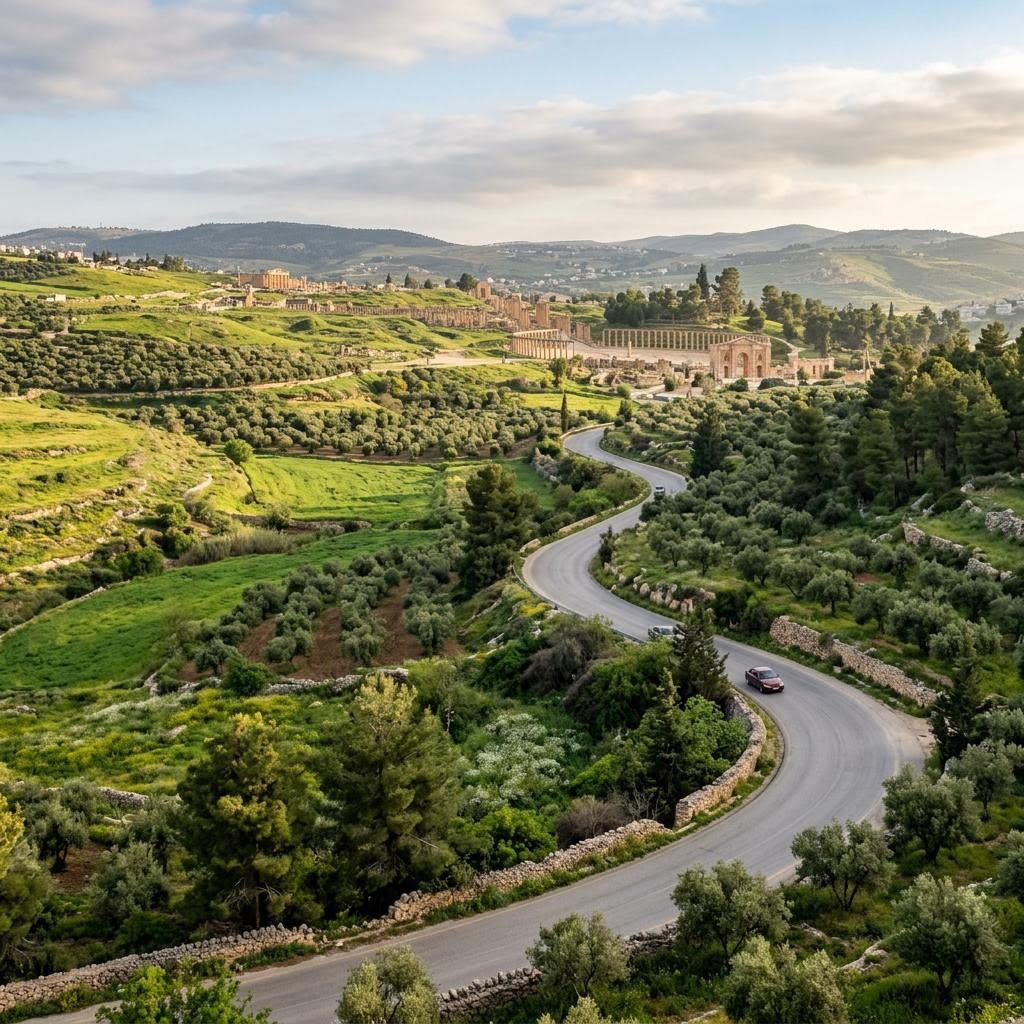
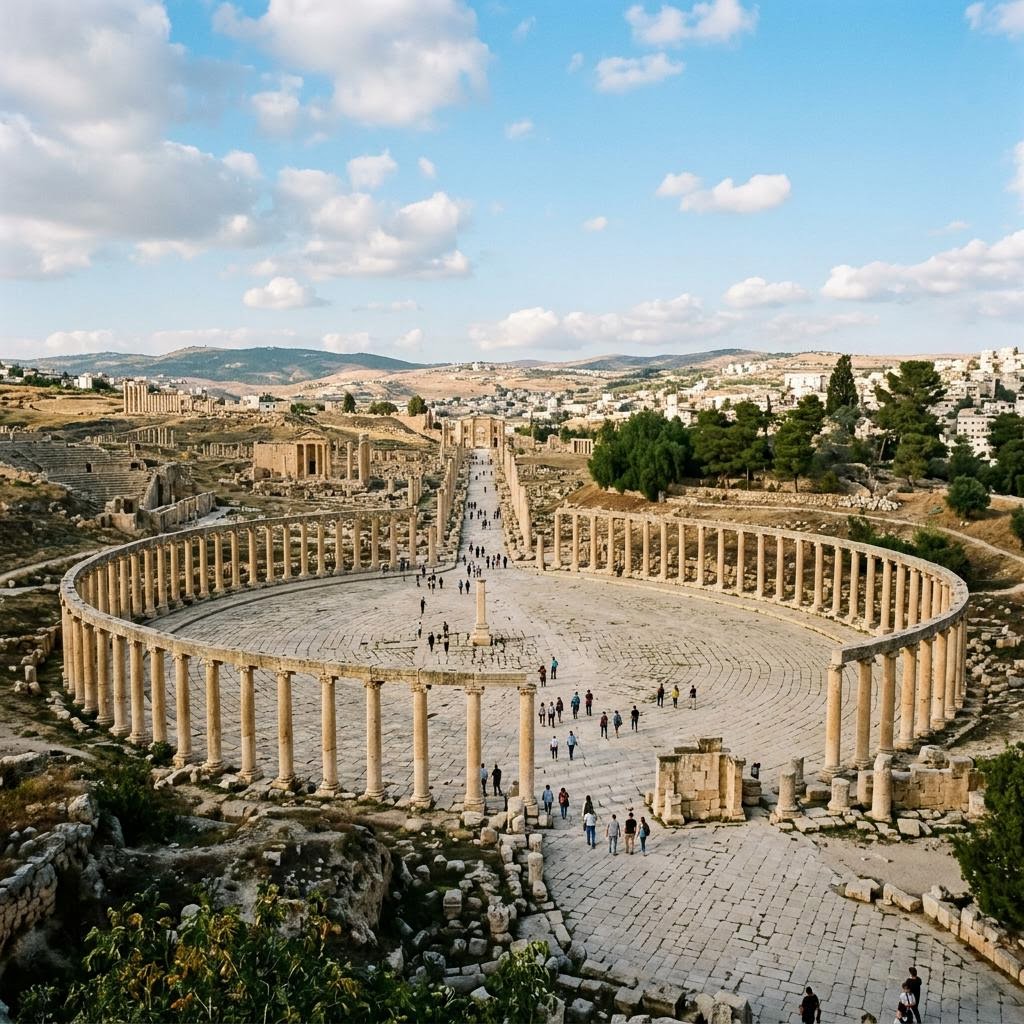
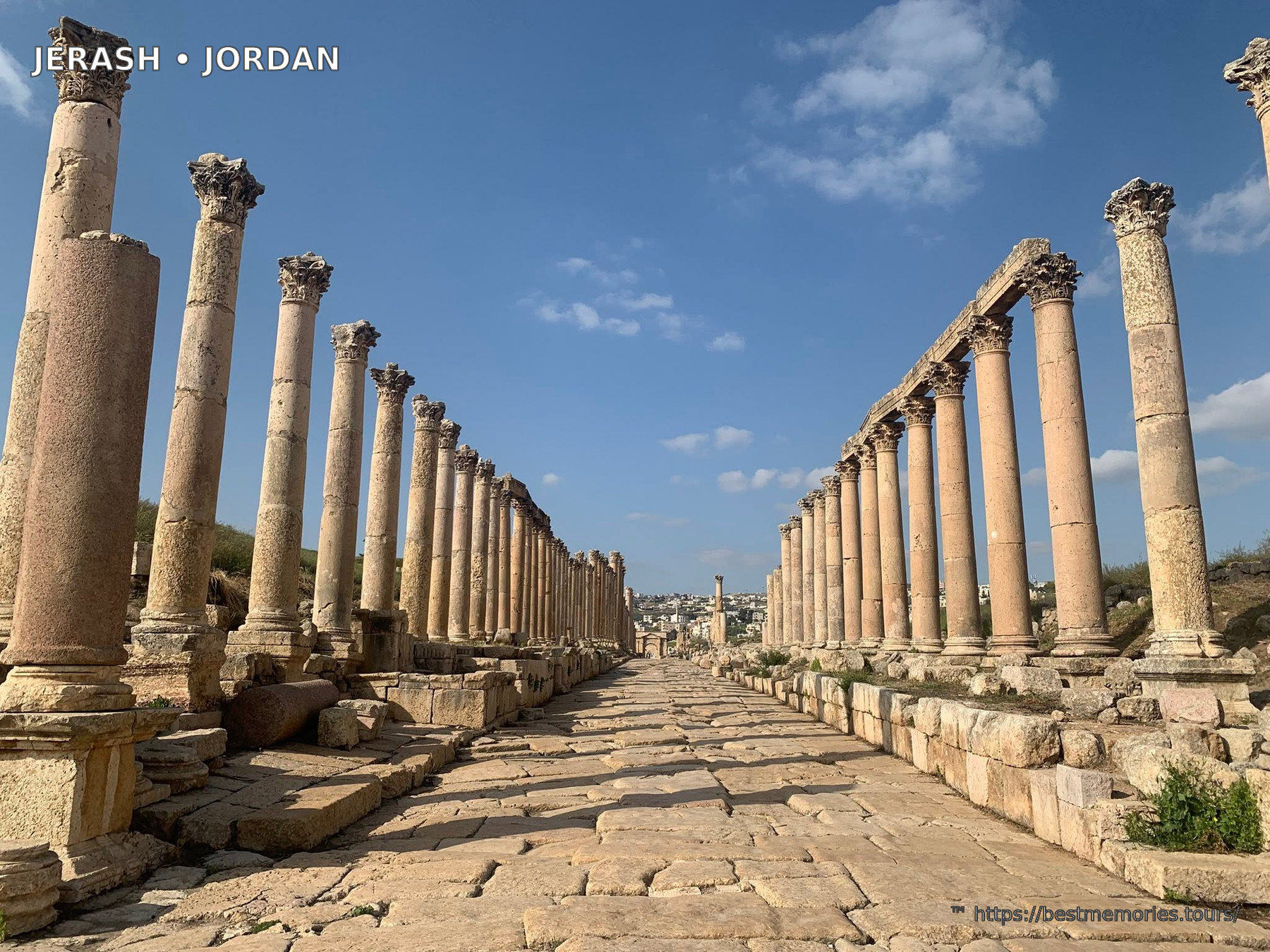
Umm Qais pairs naturally with other northern experiences, but do not overload the day with distant stops. Jerash, Ajloun and Umm Qais are all worthwhile and all deserve attention; a custom route can spread them across two days. Availability, local access, guide language and any included service must be checked for your travel date.
A sensible Umm Qais day trip
Leave early, travel north with a planned rest stop, explore Umm Qais before the strongest afternoon heat, and reserve time for lunch or a viewpoint only after confirming what is open. If adding Ajloun or Jerash, decide whether the group prefers a short highlight stop or a full archaeological visit. A late return is avoidable when the route is built around realistic drive times.
On a clear day, the views can dominate your memory; on haze or cloud, the architecture still makes the journey worthwhile. Do not promise a particular panorama. Keep the itinerary flexible for weather, road conditions and the group’s walking pace. If you want a quieter, more interpretive day, tell your planner that the ruins—not the number of stops—are the priority.
Umm Qais planning checklist
Confirm the current opening decision, any entrance or museum arrangements, road route, guide meeting point and weather before departure. Save the name in both forms—Umm Qais and Um Qais—when searching or communicating, because both spellings are common. Carry water, wear proper shoes and stay away from edges and restricted areas.
Umm Qais offers a rewarding counterpoint to Jordan’s better-known southern sites: dark basalt, a high ridge and a history that extends beyond the Roman period. Arrange the road with a driver if helpful, add a licensed guide for meaning, and confirm all changeable details shortly before travel.
Frequently Asked Questions
Is Umm Qais the same as Um Qais?
Yes. Umm Qais and Um Qais are common English spellings for the same northern Jordan destination, the site of ancient Gadara. Searching both forms can help you find maps and local references.
How far is Umm Qais from Amman?
Umm Qais is in northern Jordan and is a substantially longer drive from Amman than Jerash or Ajloun. Allow a full day for the round trip, with the exact duration depending on traffic, stops and road conditions.
What is there to see at Umm Qais?
The main highlights include the basalt Roman theatre, colonnaded streets, terraces, Ottoman village remains, museum context when available and views toward the Jordan Valley and Sea of Galilee.
Do you need a guide at Umm Qais?
You can walk the visible ruins independently when permitted, but a licensed guide adds context about Gadara, the Decapolis and later settlement layers. A private driver provides transport and is a separate role.
Can Umm Qais be visited with Jerash in one day?
It can be possible with an early start and a highlights-only plan, but both destinations are better with time. A two-day northern itinerary is more comfortable, especially for travelers who want a licensed guide or a relaxed meal stop.
Plan this trip with us
Ready to experience Jordan with a local guide?
We plan and run private tours across all of Jordan — one message and your trip is in local hands.
Chat on WhatsApp