Amman, Capital City of Jordan: Complete Travel Guide
Jordan's Vibrant Capital — Ancient Meets Modern
Amman Jordan: where to begin
Amman is Jordan’s capital, largest city and main gateway for most international journeys. It spreads over a succession of limestone hills, with pale buildings stepping down steep slopes and climbing the next ridge. The result can look complicated at first, but the city becomes understandable once you learn a few landmarks: the Citadel above downtown, the Roman Theatre below it, Jabal Amman to the west and Jabal al-Weibdeh across the valley.
This is not merely a place to sleep before Petra. Amman brings together archaeological layers, active souks, neighborhood cafés, contemporary art, family kitchens and the institutions of modern Jordan. Ancient Philadelphia and today’s capital occupy the same terrain, but the modern city grew especially quickly during the twentieth and twenty-first centuries. Spending at least a full day here gives context for the rest of the country and introduces the hospitality, flavors and daily rhythms travelers encounter throughout Jordan.
A brief history of Amman
People have lived in the Amman area since prehistoric times. Archaeological discoveries at nearby Ain Ghazal include remarkable Neolithic plaster statues created roughly nine thousand years ago. In the Iron Age, Rabbath Ammon was the capital of the Ammonite kingdom and appears in biblical sources. Later rulers included Assyrians, Babylonians and Persians, each connecting the settlement to wider political and commercial systems.
During the Hellenistic period the city was known as Philadelphia, a name associated with Ptolemy II Philadelphus. Under Roman rule it belonged to the Decapolis cultural region and acquired major public buildings, including the theater, odeon and structures on the Citadel. Byzantine Philadelphia developed churches, while the early Islamic period added an important Umayyad administrative complex on the hilltop. Earthquakes and changing routes contributed to a long decline, though occupation never fits a simple disappearance narrative.
Modern Amman expanded after Circassian families settled here in the late nineteenth century. The arrival of the Hejaz Railway and the establishment of the Emirate of Transjordan increased its administrative role. Successive communities from across Jordan and the region shaped its neighborhoods, food and culture. Today Amman is a dynamic Arab capital whose population has grown far beyond the original central hills. Its history is therefore both ancient and strikingly recent.
Amman Citadel: layers above the city
Jabal al-Qal’a, the Amman Citadel, rises above the downtown basin. Its elevated position was valuable for defense and occupation across many eras. The archaeological park combines broad views with remains from the Bronze Age through the Islamic period. A first visit with a guide is especially useful because walls and reused stones overlap, and the most visible monument is not always the oldest or most important.
The Temple of Hercules dates to the Roman period, probably the second century AD. Several giant columns and part of the podium survive, while fragments of an enormous stone hand suggest a colossal statue once stood nearby. The scale reflects Philadelphia’s place within the Roman urban world. From the terrace, the Roman Theatre appears directly below and the modern city extends in every direction, making the Citadel the best place to read Amman’s topography.
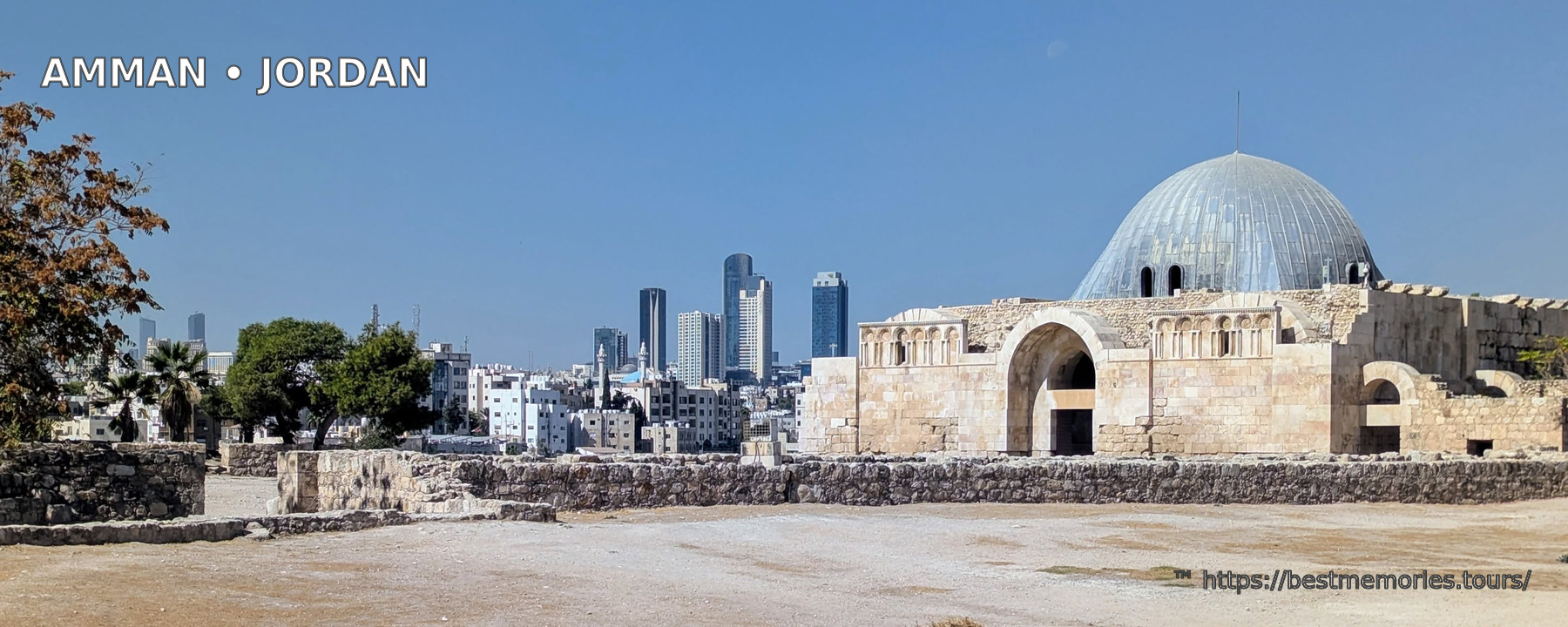
A Byzantine basilica is identified by its floor plan and surviving column bases. Close by, the Umayyad Palace complex dates mainly to the early eighth century. Its domed audience hall is the most recognizable element, although the present dome is a modern reconstruction inspired by historical forms. Streets, residential areas and a large cistern formed part of a planned administrative center. The complex demonstrates Amman’s significance after the classical period rather than treating Islamic history as an epilogue.
The Jordan Archaeological Museum on the Citadel displays objects from sites around the country. Exhibits and arrangements can change, but the collection helps connect prehistoric, Bronze Age, classical and Islamic narratives. Allow time for the museum if open during your visit. Outside, stay on marked routes and avoid climbing walls; exposed masonry is vulnerable, and drops around the hill can be hazardous.
Roman Theatre, Odeon and Hashemite Plaza
The Roman Theatre was built into the hillside during the second century AD and could accommodate roughly 6,000 spectators. Its steep seating focuses attention on the stage and demonstrates sophisticated acoustic planning. Climbing the steps provides a striking view, but surfaces are high, narrow and uneven. Take care, especially in heat or after rain, and do not treat the upper rows as a race or photo platform.
Two small museums within the theater complex traditionally present Jordanian folklore and popular traditions. Their displays can add useful cultural context, so check what is accessible on the day. Beside the main theater, the smaller Odeon was designed for more intimate performances and meetings. Both structures still contribute to the cultural life of central Amman when events are scheduled, linking ancient venues with a living capital.
Hashemite Plaza opens between the theaters and downtown streets. Families gather here in the evening, children play and vendors circulate as the temperature cools. The space is a useful transition between archaeological Amman and the balad. Rather than leaving immediately after the monuments, pause to observe how residents use the center today. Respect people’s privacy when taking photographs, particularly where children and families are involved.
Exploring Al-Balad, downtown Amman
Al-Balad is the commercial and social heart of old Amman. Streets radiate past produce markets, spice shops, clothing stalls, gold stores, bakeries and tiny counters selling juice or coffee. Side lanes climb toward surrounding hills by steep staircases. Traffic, delivery carts and pedestrians share limited space, so the area feels intense compared with quieter western neighborhoods. That energy is part of the experience, but it rewards a patient pace.
The souks are practical local markets rather than a curated tourist attraction. Browse respectfully, ask before photographing shopkeepers and move aside when business is being conducted. Prices for ordinary goods may be fixed or loosely negotiable depending on the setting; politeness matters more than aggressive bargaining. A local guide can explain products, point out reliable food stops and navigate passages that first-time visitors would otherwise overlook.
King Faisal Street and nearby lanes contain buildings from Amman’s early modern growth, although signs and shopfronts can hide architectural details. Look upward at balconies, stonework and old façades. The Grand Husseini Mosque is an important downtown landmark on a site associated with earlier religious buildings. Visitors should dress modestly, avoid prayer times and follow any access instructions. Not every active religious space is open for casual sightseeing.
What to eat in Amman
Amman is one of the best places to understand Jordanian food. A classic breakfast or light meal might include falafel, hummus and fuul, a slow-cooked fava bean dish finished with lemon, oil and herbs. Fresh khubz bread turns the plates into a shared meal. Downtown institutions are popular for good reason, but excellent neighborhood restaurants also serve these staples. Busy counters may require confidence, so watch the local flow or visit with a food guide.
Mansaf is Jordan’s celebrated communal dish, usually built around lamb, rice and jameed, a fermented dried-yogurt sauce. It carries meanings of generosity, family and occasion that are lost when it is treated only as a menu item. Maqluba layers rice, vegetables and meat before being turned upside down for serving. Musakhan, associated especially with Palestinian cuisine, combines sumac-seasoned onions, olive oil, bread and chicken. Amman’s diverse communities make the city a strong place to taste regional traditions alongside Jordanian favorites.
For sweets, knafeh pairs cheese with a crisp or soft semolina-based topping, fragrant syrup and pistachios. Downtown sweet shops often serve it warm on simple plates. Other options include baklava, qatayef in season and date-filled ma’amoul. Portions can be rich, and sharing creates room to try more than one specialty. Arabic coffee, sweet mint tea and fresh juices accompany the city throughout the day.
Food sensitivities should be communicated clearly. Vegetarian eating is usually straightforward among mezze, salads, beans and falafel, but ask about stock, meat garnishes and shared frying oil if these matter. Travelers with serious allergies should use translated allergy information and not rely on visual assumptions. Tap-water decisions and dietary advice should follow current health guidance rather than generalized travel folklore.
Rainbow Street and Jabal Amman
Rainbow Street follows part of Jabal Amman’s First Circle neighborhood. It is known for cafés, restaurants, shops and evening strolls, though the atmosphere varies by day and season. The street itself is only one layer of the district. Side lanes reveal early villas, embassies, stairways and viewpoints over downtown. Darat al Funun and other cultural spaces in the wider area offer exhibitions or events when open; verify programs before making a special trip.
The neighborhood connects to downtown by long staircases and sloping roads. Walking down can be enjoyable, but the return climb is demanding and pavements are inconsistent. Use pedestrian routes carefully and do not assume drivers will always yield. Taxis or ride-hailing can simplify movement between hills, especially after dark or for travelers with mobility concerns.
Rainbow Street is busiest on some evenings and quieter during working hours. It should not be imagined as one continuous nightlife strip. Alcohol is available in licensed venues, while many cafés focus on coffee, tea, desserts and shisha. Dress is varied, yet modest choices remain considerate. During Ramadan, daytime rhythms and restaurant operations can change, and evening life often becomes more active after iftar.
Jabal al-Weibdeh and contemporary culture
Jabal al-Weibdeh is a leafy central neighborhood associated with galleries, studios, older houses and independent cafés. Paris Circle forms a modest social hub, while stairs descend toward the balad. The district rewards unstructured wandering more than a checklist. Look for local exhibition schedules, bookshops and cultural centers, but remember that opening days can vary and many spaces are small working organizations.
Contemporary Amman includes design, film, music, street art and a growing culinary scene. Engaging with it prevents the capital from becoming merely a bridge between ancient sites. Seek work by Jordanian artists, buy directly from reputable local makers and avoid presenting ordinary residential streets as exotic scenery. The most rewarding city experiences often come from conversation and observation rather than one famous viewpoint.
Neighborhoods beyond the historic center
West Amman includes busy commercial districts, modern offices, malls, restaurants and residential neighborhoods. Abdali has a contemporary boulevard and high-rise development, while areas around Sweifieh and Abdoun offer shopping and dining. These places show another side of the capital, though first-time visitors with limited hours may prefer to concentrate on the Citadel, theater, downtown and one hill neighborhood.
East Amman contains dense communities, markets and much of the city’s working life. It deserves more nuanced attention than simple east–west stereotypes, but casual visitors should explore with cultural awareness and a clear purpose. Community-based or specialist tours can provide context without turning neighborhoods into spectacle. Amman’s identity comes from all these districts, not only polished western venues or archaeological central Amman.
Getting around Amman
Amman is famously hilly. Two places that look close on a map may be separated by a steep staircase, divided road or deep valley. Walking works well within downtown and individual neighborhoods, but a full sightseeing day usually requires vehicle transfers. Taxis are common and ride-hailing services may operate; use legal, current options and confirm the destination clearly. Carrying the address in Arabic can help.
Traffic can significantly affect journey times, especially around commuting periods. Build flexibility into airport transfers and day trips. Sidewalk quality varies, crossings require attention and accessibility is inconsistent. Travelers with limited mobility should arrange door-to-door transport and ask about steps at each attraction. A private driver reduces navigation stress, while a licensed guide adds historical interpretation; these are separate roles unless clearly stated otherwise.
Queen Alia International Airport lies south of the city. Transfer time depends on traffic and the exact hotel location. Public airport transport and taxis may be available, but routes and procedures should be verified from current official sources. Do not rely on old fare quotes. If arriving late, arrange the first transfer in advance and keep accommodation details accessible offline.
When to visit and how long to stay
Spring and autumn often bring pleasant sightseeing weather. Summer is generally dry and can be hot, although evenings on the hills may feel comfortable. Winter can be cold, rainy and occasionally snowy; Amman’s elevation surprises travelers expecting constant desert heat. Pack layers, sun protection and footwear suited to polished stone, staircases and uneven pavements.
One full day covers the Citadel, Roman Theatre, downtown food and either Jabal Amman or Jabal al-Weibdeh at a reasonable pace. Two days allow museums, galleries, a food walk and more neighborhood time. Amman also works as a base for day trips, but changing hotels may be more efficient for a longer national route. Avoid using the capital for repeated long returns from southern Jordan.
Opening arrangements change around public holidays, religious observances, maintenance and special events. Check official attraction information close to travel. Friday rhythms differ from the rest of the week, with some businesses opening later or closing, while busy communal life continues in other places. During Ramadan, visitors are welcome, but respectful daytime behavior and flexible meal planning are important.
Day trips from Amman
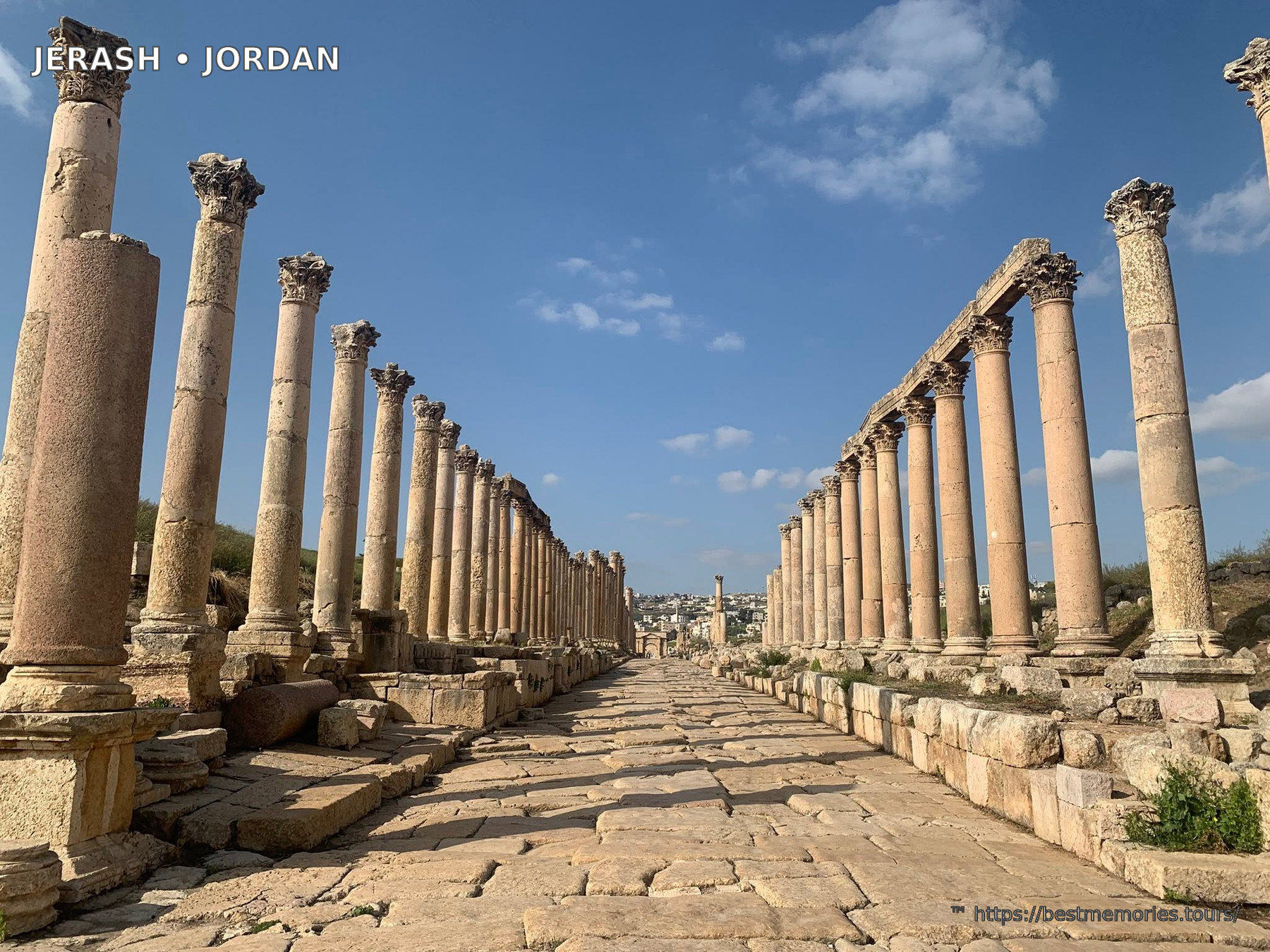
Jerash is the classic northern excursion and combines well with Ajloun Castle. Madaba and Mount Nebo form a natural southwest route, often extended to the Baptism Site or Dead Sea. Each deserves adequate time rather than being compressed into a race. Browse the destination pages and related tours for practical combinations that account for geography.
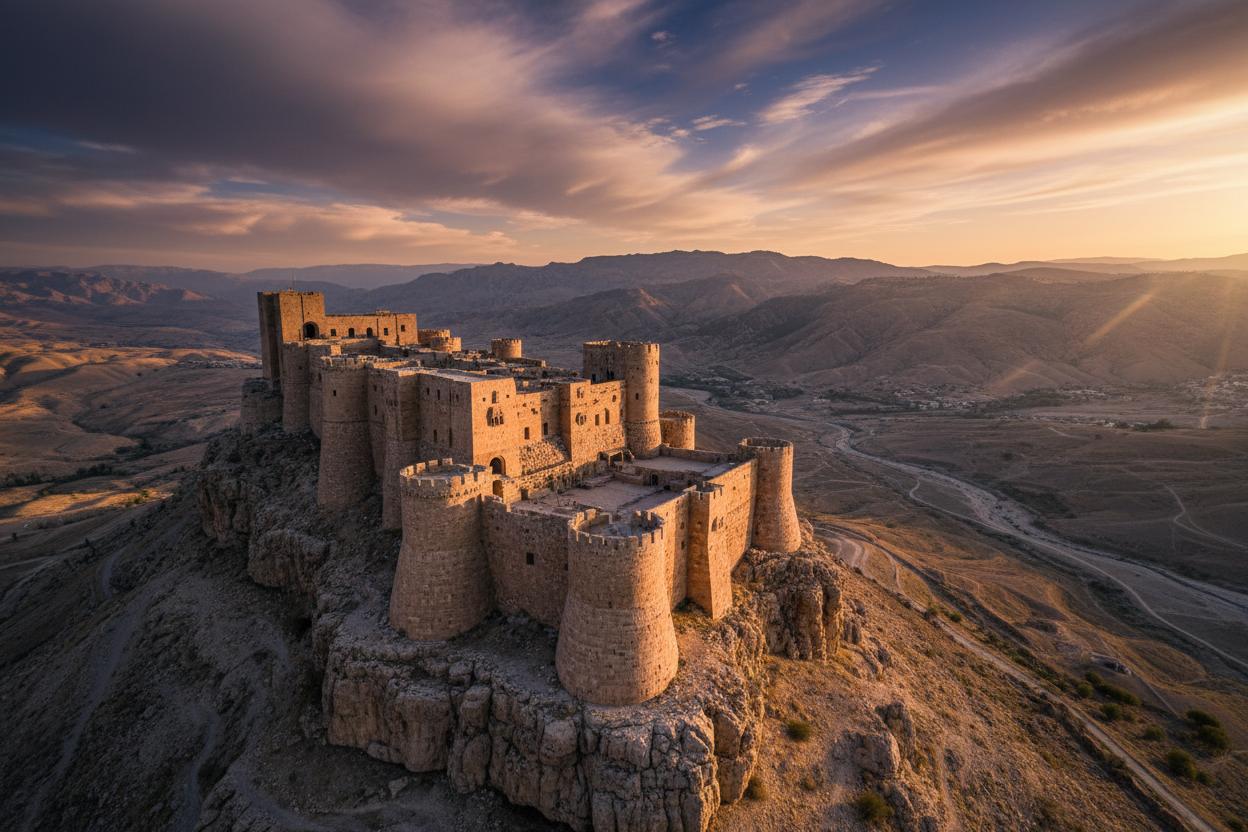
The Dead Sea is close enough for a resort day or a combined cultural route. Desert castles east of Amman offer early Islamic art, architecture and wide basalt landscapes on a different circuit. Petra is reachable by road but is not best treated as a casual out-and-back day if a longer itinerary is possible; staying near Petra protects valuable site time and reduces fatigue.
Practical etiquette and safety
Amman is generally welcoming, and ordinary urban awareness goes a long way. Keep valuables secure in crowded markets, use recognized transport and follow local advice. Road traffic is a more immediate concern than dramatic travel fears. Cross carefully, remain hydrated and save emergency and accommodation contacts. Travel insurance should match planned activities and personal needs.
Arabic greetings are appreciated even when conversations continue in English. Ask before photographing people, dress respectfully at religious sites and accept hospitality graciously without feeling required to overconsume. Public affection is more restrained than in some countries. Alcohol should be consumed only where permitted, and visitors should never drive after drinking.
A guided Amman city tour creates a logical route through a geographically fragmented capital. The strongest tours leave room for street-level life rather than moving only between monuments. Whether used as a first chapter or final stop, Amman gives Jordan’s ruins, landscapes and food a contemporary human frame. The city is not simply where a Jordan trip begins; it is one of the trip’s essential destinations.
Photo Gallery
How to Visit
Most journeys begin and end in Amman, and half a day with a local guide unlocks it: Citadel, Roman Theatre, souks and street food in one relaxed loop. Our Jerash & Amman City Tour combines the capital with the Roman north, or ask us for a custom Amman food-and-culture walk.