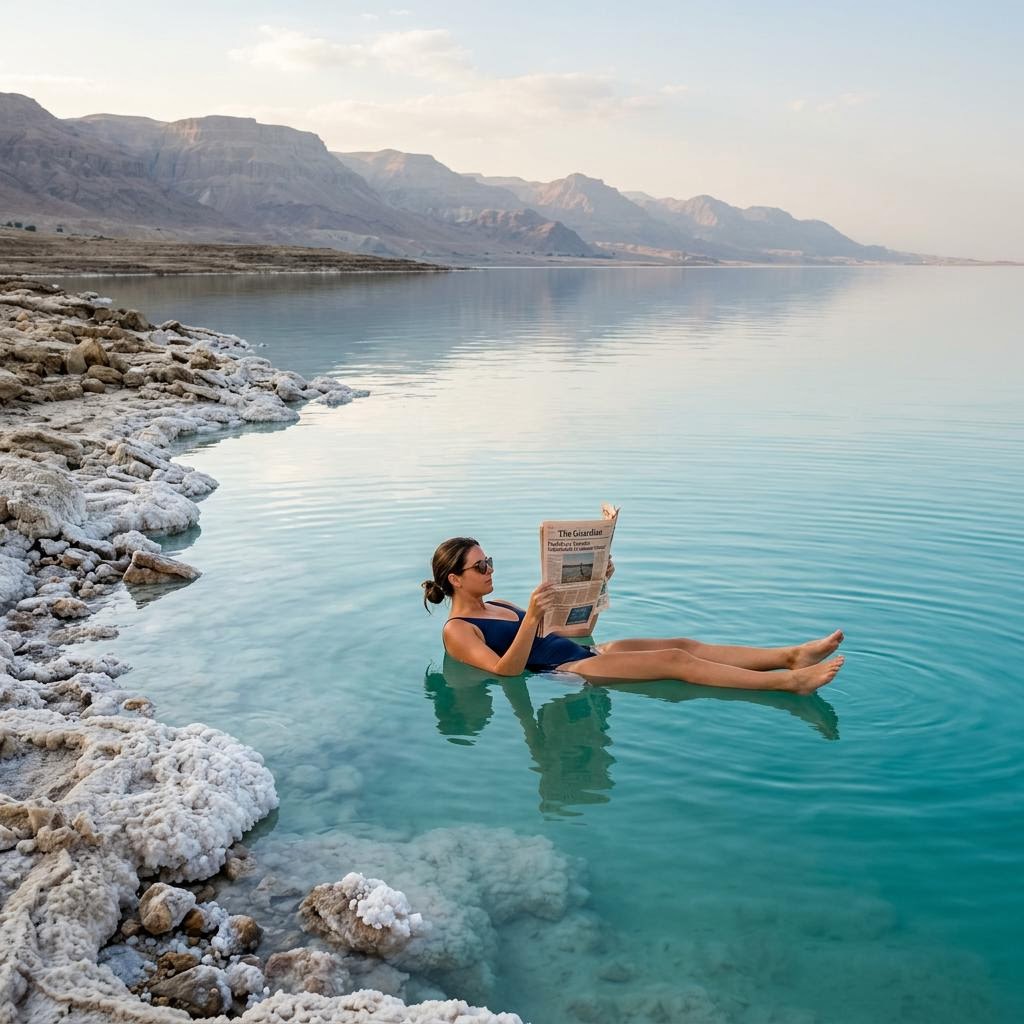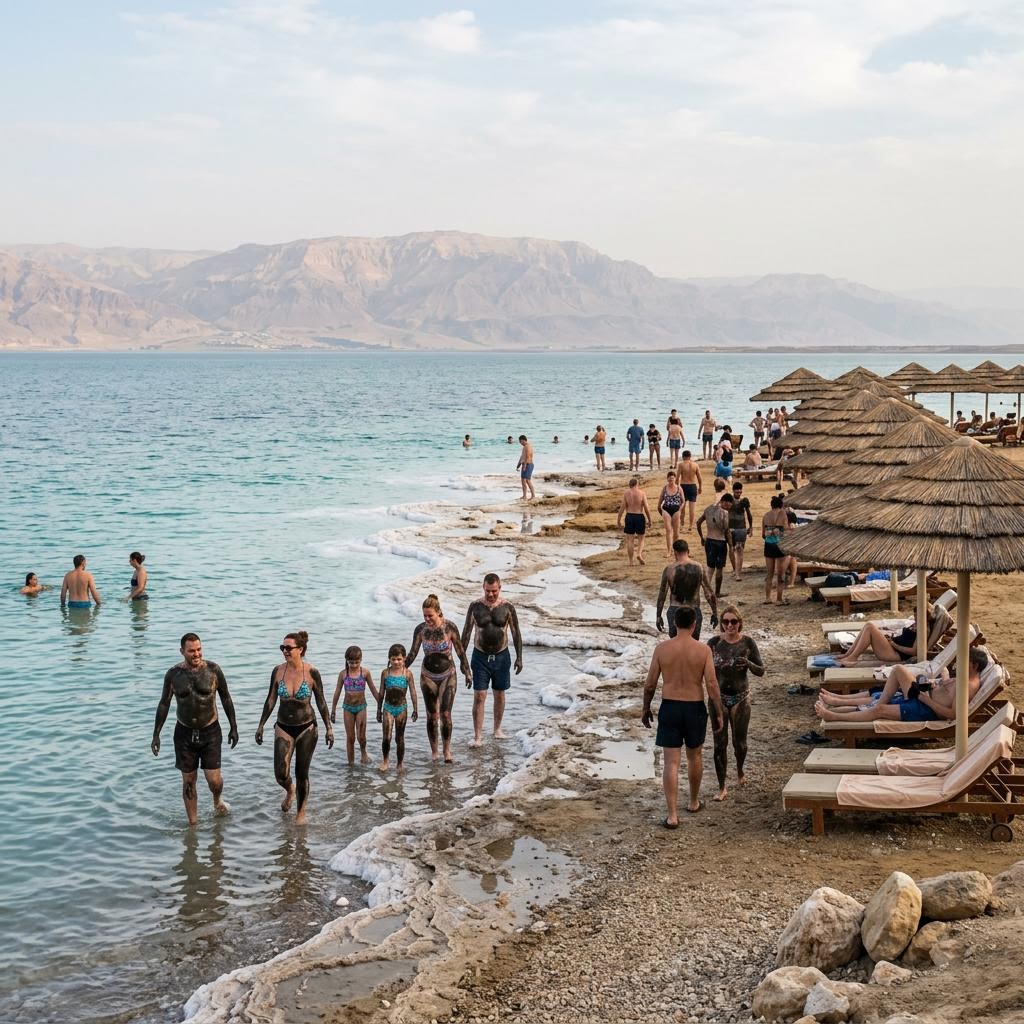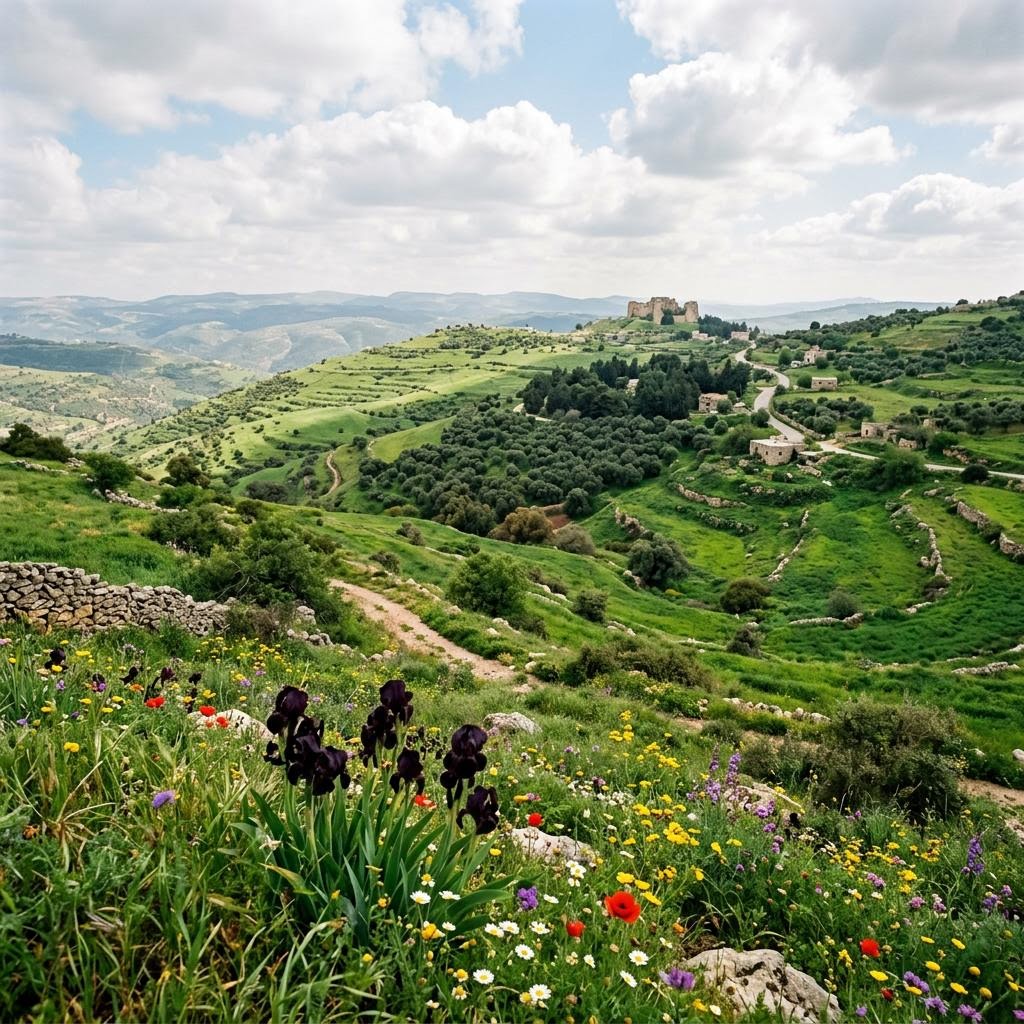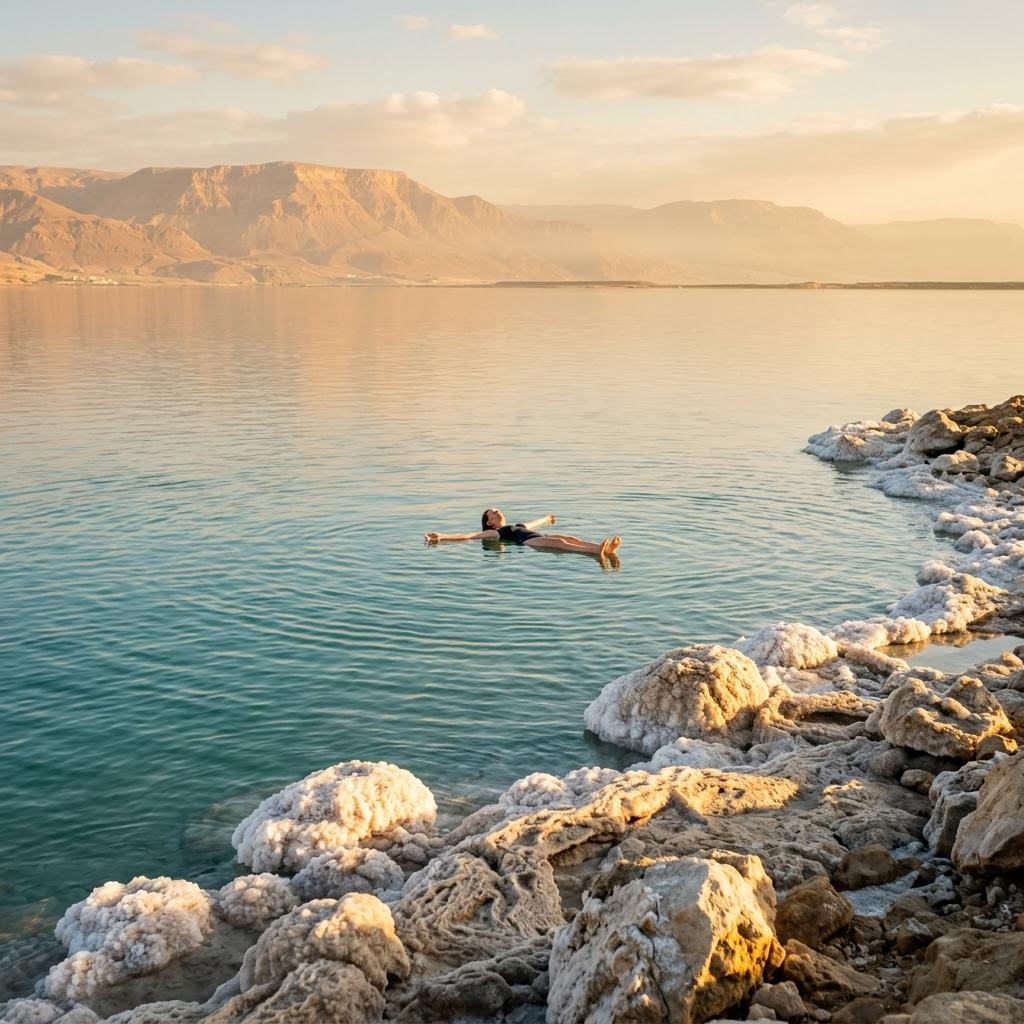
The best time to visit the Dead Sea is October through April, when temperatures are comfortable and floating is a pleasure rather than an endurance event. But here is the twist that catches everyone out: the Dead Sea is the lowest place on the planet, about 430 metres below sea level, which makes it Jordan's built-in heater. It is reliably several degrees warmer than Amman, sitting up in the hills.
That geography is the whole story. When Amman shivers at 5 to 15°C in winter, the Dead Sea is basking around 20°C or warmer — short-sleeve weather while the capital wants a coat. And in summer, the same low altitude that keeps it toasty in January turns it into a furnace, easily topping 40°C. So the "best" time really depends on how much heat you can take.
Good news for the impatient: the water itself is swimmable year-round. It never freezes and rarely feels genuinely cold, so even a January visit works — you just plan around the air temperature and the sun.
What is the weather like at the Dead Sea?
Thanks to its position 430 metres below sea level, the Dead Sea runs warmer than almost anywhere else in Jordan and stays dry nearly all year. Winter days are mild and pleasant, spring and autumn are close to perfect, and summer is brutally hot — a genuine sun-safety concern, not just discomfort.
The low altitude also means intense sun and thicker air, so sunscreen matters every single month. People often underestimate how quickly they burn down there, distracted by the novelty of floating. Reapply, wear a hat, and drink far more water than feels necessary.
When is the best time of year to visit the Dead Sea?
October to April is the sweet spot, offering warm-but-manageable days without the summer inferno. If we had to pick, the shoulder months — October, November, March and April — combine comfortable air temperatures with warm water and thinner crowds. Spring and autumn elsewhere in Jordan sit around 20 to 28°C, and the Dead Sea runs a touch warmer still.
Winter, December through February, is the underrated season. While Amman is chilly, the Dead Sea shore is often around 20°C and gloriously quiet, which is why it doubles as a winter warm-up between colder days in Petra and the capital.
Dead Sea month-by-month at a glance
January and February: mild and quiet, often around 20°C on the shore while Amman is cold — pack for both. Great for a peaceful float, less so for all-day lounging.
March through May: prime time. Warm, sunny, comfortable air, warm water. Peak-ish visitor numbers but for good reason.
June through August: very hot, frequently 40°C or more. Swimmable but demanding — go early morning or late afternoon, hide from midday sun, and hydrate relentlessly. Resort pools become essential rather than optional.
September through November: the second sweet spot. September cools off from the summer peak, and October–November mirror spring — warm days, warm water, softer light, fewer people.
Whatever month you choose, an early start or a late-afternoon-into-sunset float is the move. Our private driver can time a Dead Sea run around the heat, so you float when the sun is kind rather than when it is trying to broil you.
Frequently Asked Questions
What is the best time of year to visit the Dead Sea?
October through April is the sweet spot, with warm but comfortable days. The shoulder months of October, November, March and April are ideal, combining pleasant air temperatures, warm water and thinner crowds. Summer is swimmable but often exceeds 40°C, making midday genuinely uncomfortable.
Is the Dead Sea warmer than Amman?
Yes, consistently. The Dead Sea sits about 430 metres below sea level, which keeps it several degrees warmer than Amman up in the hills. In winter the shore is often around 20°C while Amman is 5 to 15°C, so it works well as a warm-up day during a colder trip.
Can you swim in the Dead Sea in winter?
Yes. The water never freezes and rarely feels cold, so it is swimmable year-round, including winter. Because the shore stays around 20°C on many winter days while Amman is chilly, a winter Dead Sea visit is genuinely pleasant, especially in the middle of a sunny day.
How hot does the Dead Sea get in summer?
Summer temperatures at the Dead Sea frequently exceed 40°C because of its very low altitude. It is still swimmable, but midday is harsh, so visit early morning or late afternoon, stay out of direct sun, and drink plenty of water. Resort pools become nearly essential in July and August.
Do I need sunscreen at the Dead Sea in winter?
Yes, every month. The Dead Sea sits far below sea level with intense sun, and visitors regularly underestimate how fast they burn while distracted by floating. Apply sunscreen, reapply after rinsing off, wear a hat, and drink more water than you think you need, even on a mild winter day.
Plan this trip with us
Ready to experience Jordan with a local guide?
We plan and run private tours across all of Jordan — one message and your trip is in local hands.
Chat on WhatsApp