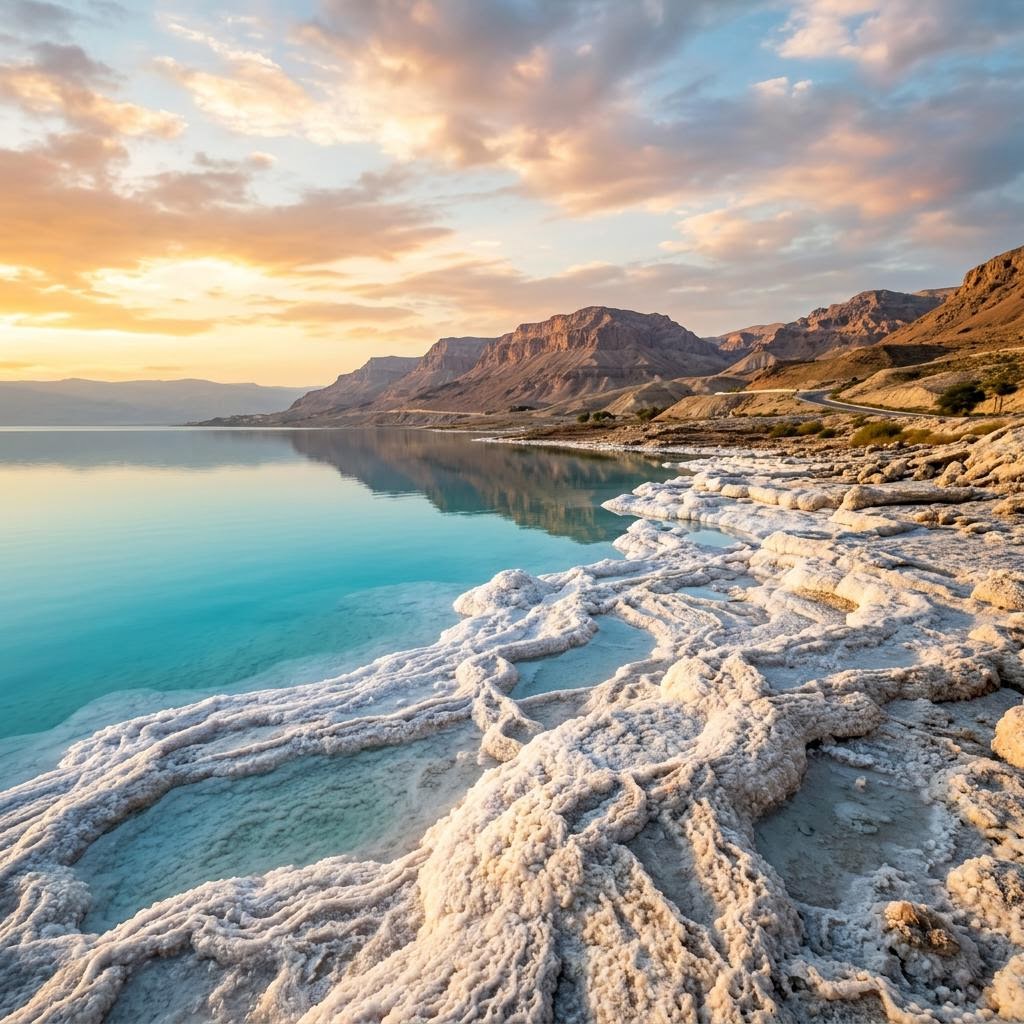
The Dead Sea is the lowest point on the surface of the earth, sitting around 430 metres below sea level, and its water is roughly ten times saltier than the ocean. That extreme salt is why you float without effort — and why a visit here is genuinely unlike anywhere else.
It is also close: about 50 km from Amman, a 45–60 minute drive down through the hills. Many people think of it as a quick photo stop, but with mud, hot springs and nearby sites there is easily a full day here. Here is how to make the most of it.
What is the floating experience actually like?
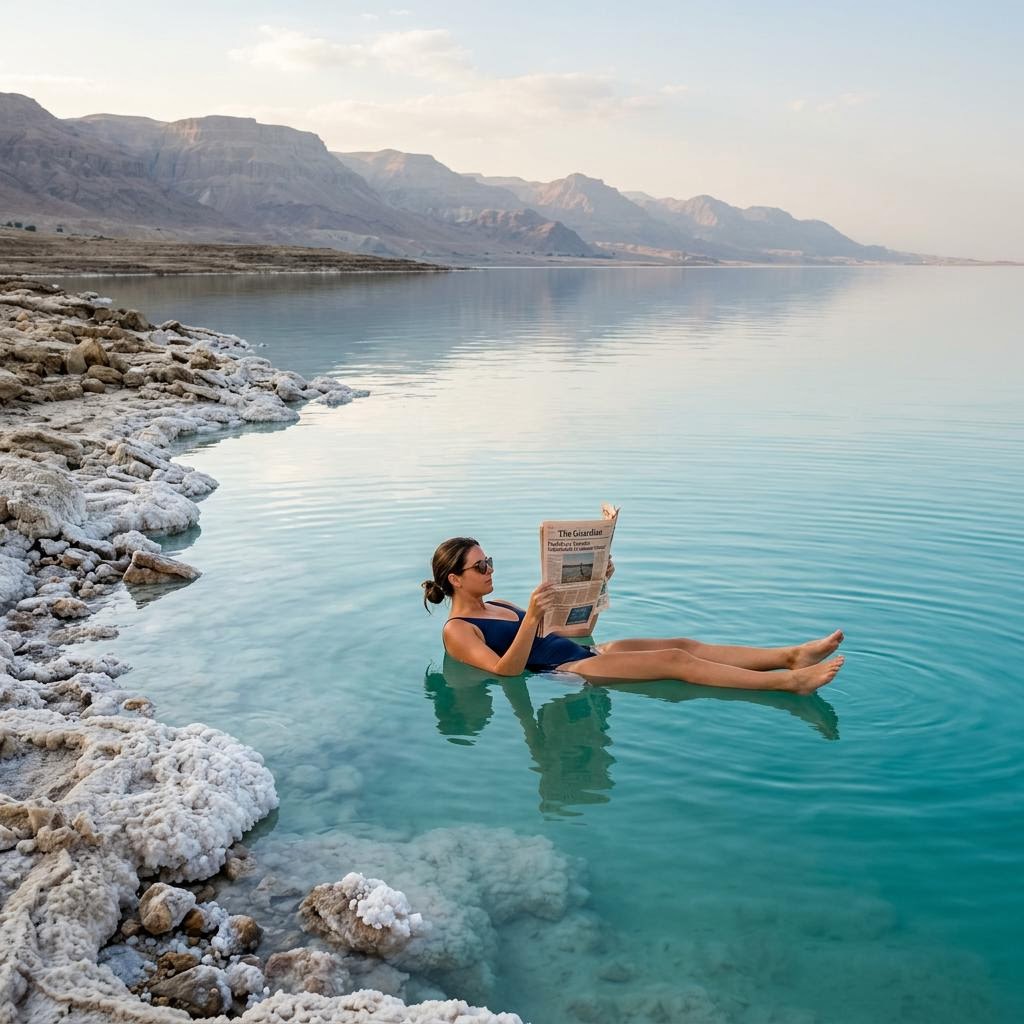
Floating in the Dead Sea feels like reclining in an invisible chair — the dense, salty water pushes you up so you cannot sink, and the classic move is to lie back and read a newspaper. Wade in slowly, lower yourself, and let your feet lift off the bottom; do not try to swim normally, as splashing salt into your eyes stings sharply.
A few rules keep it enjoyable: do not shave the day before (any cut burns), keep your face and eyes out of the water, and limit each dip to around 15–20 minutes. Wear sandals, because the salt crystals on the seabed are sharp. Rinse off with fresh water afterwards — every beach and resort has showers for exactly this reason.
Should you do the mineral mud?
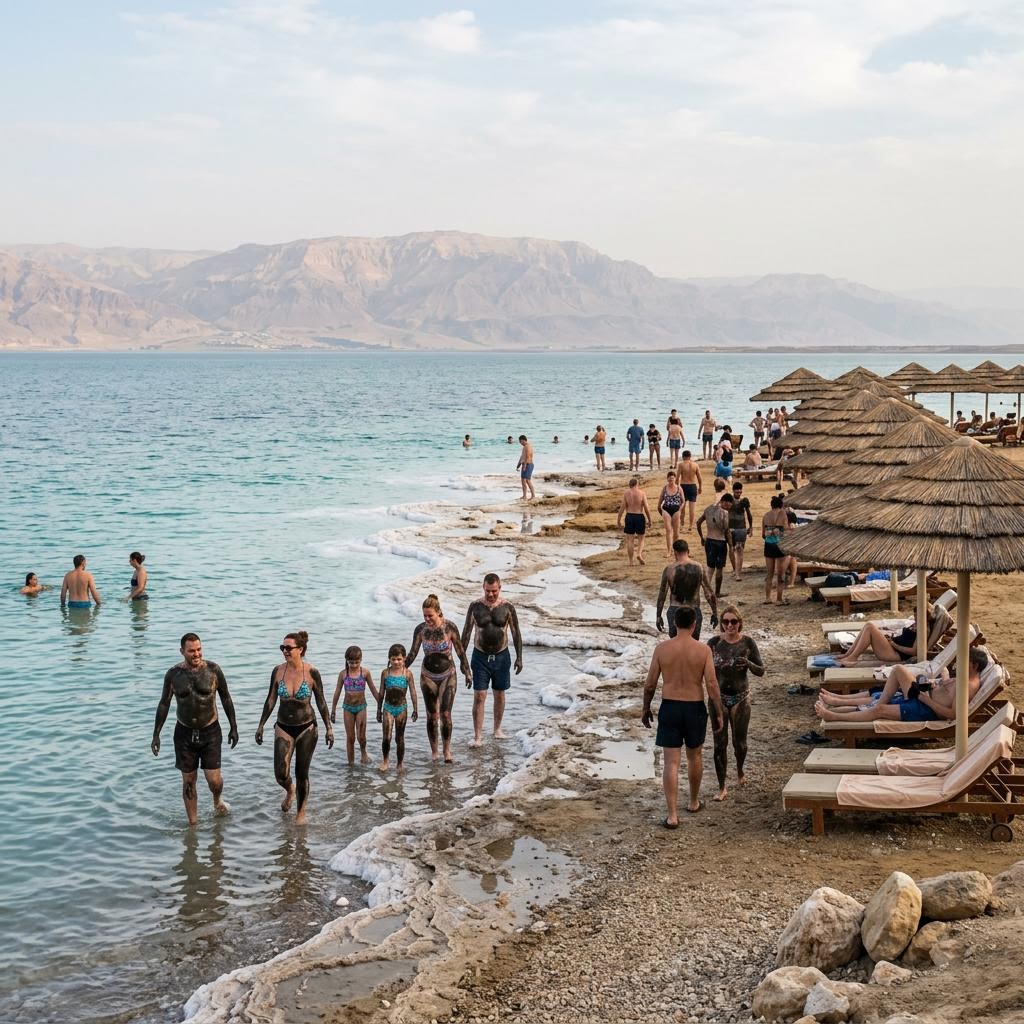
Yes — the black Dead Sea mud is the signature ritual and it is worth doing. Scoop up the mineral-rich mud, coat your skin, and let it dry in the sun for around ten to fifteen minutes before rinsing it off in the sea. It leaves your skin noticeably soft, and the minerals here have been prized since antiquity.
At many beaches the mud is provided in tubs or dug from designated spots. Avoid your face if you have sensitive skin, and keep it well away from your eyes. It is messy, a little ridiculous and hugely fun — one of those experiences everyone ends up photographing.
The reason the Dead Sea has drawn people for its skin and health benefits since ancient times is genuine: the water and mud are packed with magnesium, potassium and other minerals, the air sits at unusually high oxygen levels this far below sea level, and the sun is filtered by the extra atmosphere. Even Cleopatra and King Herod are said to have valued the shore. You do not need to believe any grand claims to notice how soft your skin feels afterwards.
Resorts or public beaches — where should you go?
It comes down to comfort versus budget. The resort hotels along the northern shore offer day passes that include freshwater pools, loungers, clean showers, easy beach access and often a lunch buffet — the most comfortable way to spend a full day, ideal if you want to alternate salty floats with a chlorinated pool.
Public and municipal beaches, such as Amman Beach, charge a smaller entry fee and give you the same sea with more basic facilities. For a wilder alternative, the Pink Pools and salt beach area further along the shore has become popular for its salt formations and photogenic mineral pools. Whichever you choose, always rinse with fresh water afterwards. Our Dead Sea trips can include either a resort day pass or the Pink Pools and salt beach, depending on what you prefer.
Are the Ma'in Hot Springs worth adding?
The Ma'in Hot Springs are worth adding if you enjoy thermal water and have time, sitting in a dramatic canyon about 30–40 minutes south of the main Dead Sea beaches. Naturally heated water — fed by winter rains warmed deep underground — cascades down the rock as hot waterfalls you can stand beneath.
There is a public bath area and a resort with more developed pools and spa treatments. Combining a Dead Sea float with a soak under the Ma'in waterfalls makes for a wonderfully relaxing day, especially in the cooler months when the warm water is most inviting.
If you would rather stretch your legs than soak, the Wadi Mujib Siq Trail (open roughly April–October) starts near the eastern Dead Sea shore and takes you wading and scrambling up a river gorge between towering canyon walls. It is wet, adventurous and refreshing on a hot day — a completely different way to experience the lowest region on earth, and an easy add-on to a Dead Sea itinerary in the warmer months.
Can you combine the Dead Sea with the Baptism Site?
Yes — the Dead Sea and the Baptism Site (Bethany Beyond the Jordan) pair perfectly, as they lie just north along the same valley. The Baptism Site, entry 12 JOD, is the UNESCO-listed spot on the Jordan River widely recognised as where Jesus was baptised, and it can only be visited on a guided shuttle from the visitor centre.
A classic day combines the Baptism Site in the morning with an afternoon float and mud at the Dead Sea. You can also fold in Mount Nebo (3 JOD), where Moses is said to have viewed the Promised Land, and Madaba's mosaic churches (11 JOD) on the way, since all four are within a short drive. A private driver makes this loop effortless, timing each stop so you are never rushed.
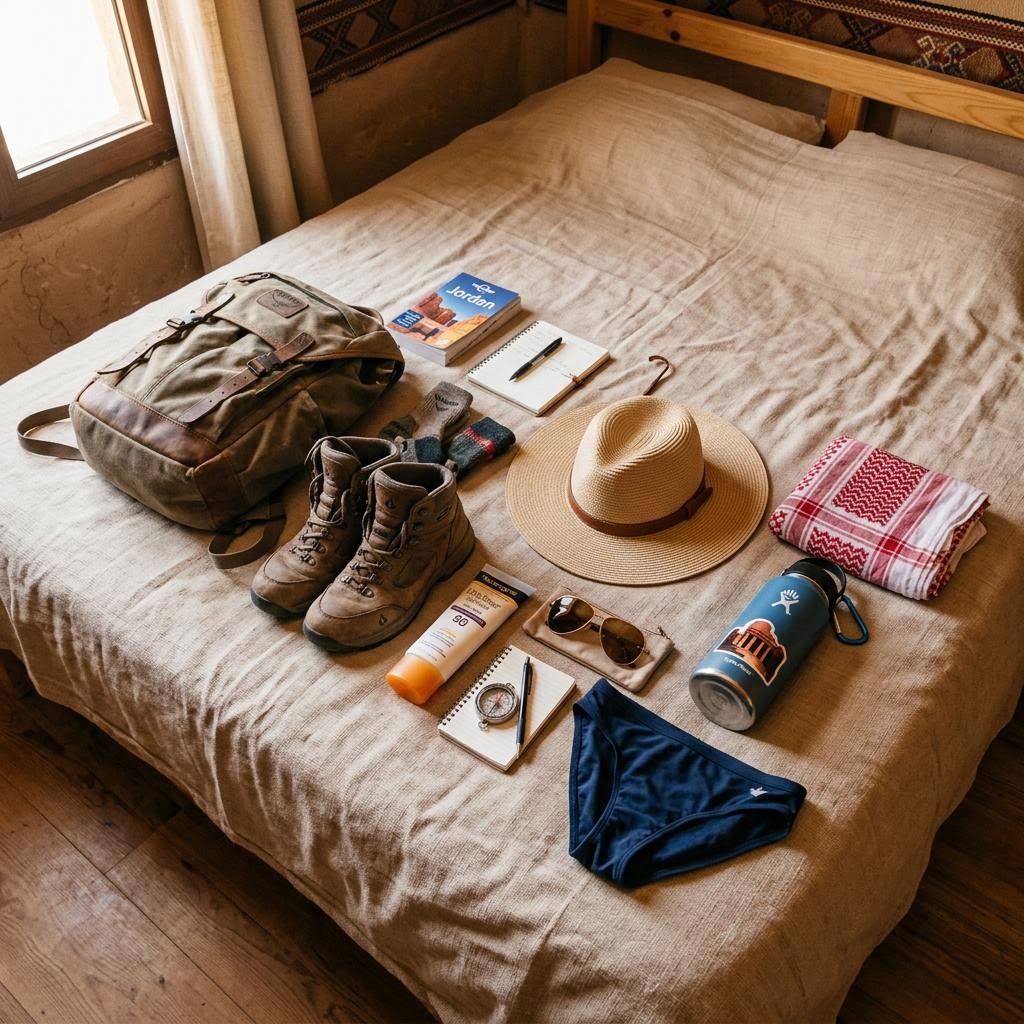
A practical note on the order of the day: do the Baptism Site and Mount Nebo while the morning is cooler, since both involve walking with little shade, and save the Dead Sea float for the afternoon when a cool rinse and a shaded lounger are most welcome. Bring a change of clothes and a towel, plus a little cash for entry fees and drinks, and you have one of the most rewarding, low-effort days in all of Jordan.
Frequently Asked Questions
What is there to do at the Dead Sea besides floating?
Besides floating, you can coat yourself in mineral-rich black mud, relax at a resort day pass with freshwater pools, or visit the Pink Pools and salt beach for photogenic salt formations. Nearby, the Ma'in Hot Springs and the Baptism Site add half-day options within a short drive.
How long should you stay at the Dead Sea?
A half day is enough to float and try the mud, but a full day lets you relax at a resort or public beach without rushing. Individual floats should be limited to around 15 to 20 minutes each, so most visitors alternate dips with time on the beach or in a freshwater pool.
Is a resort or public beach better at the Dead Sea?
A resort day pass is more comfortable, offering freshwater pools, loungers, showers and often lunch, ideal for a full day. Public beaches like Amman Beach charge less with more basic facilities. The Pink Pools and salt beach area is a popular alternative for salt formations and mineral pools.
Can you combine the Dead Sea with the Baptism Site?
Yes, the Dead Sea and the Baptism Site pair well, as both lie along the same valley just north of the beaches. The Baptism Site costs 12 JOD and is visited by guided shuttle. Many visitors add Mount Nebo and Madaba, all within a short drive, into one full day.
What should you know before floating in the Dead Sea?
Before floating, avoid shaving the day before, since any cut will sting sharply in the salty water. Keep your face and eyes above the surface, wear sandals against sharp salt crystals, limit each dip to about 15 to 20 minutes, and rinse off with fresh water afterwards.
Plan this trip with us
Ready to experience Jordan with a local guide?
We plan and run private tours across all of Jordan — one message and your trip is in local hands.
Chat on WhatsApp