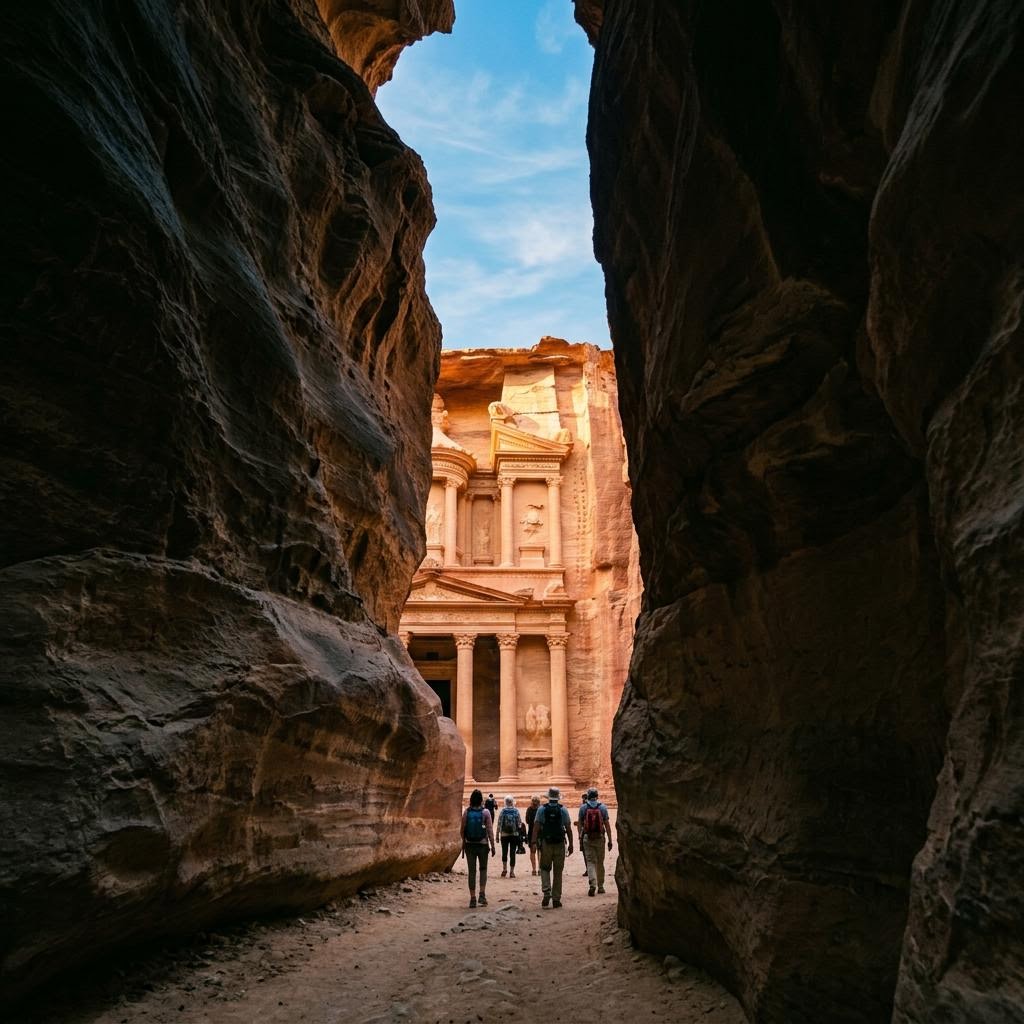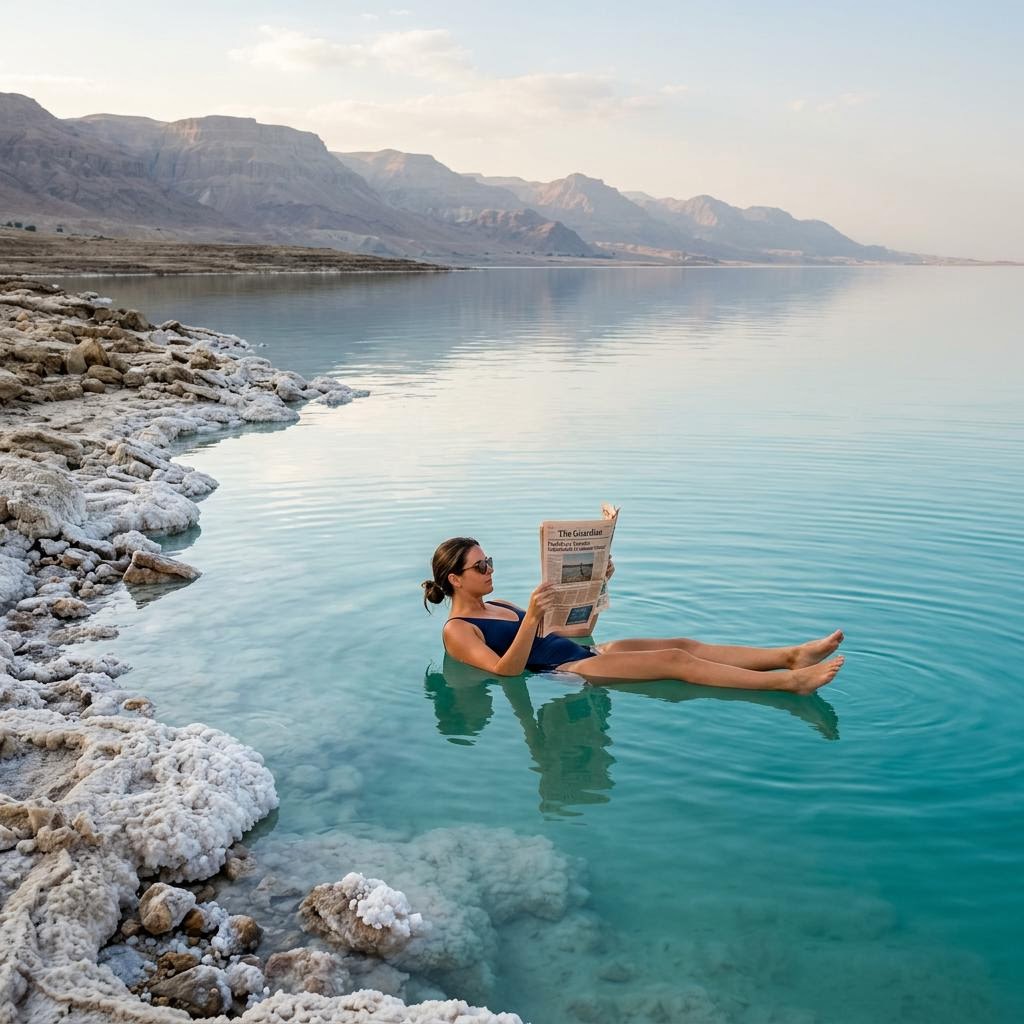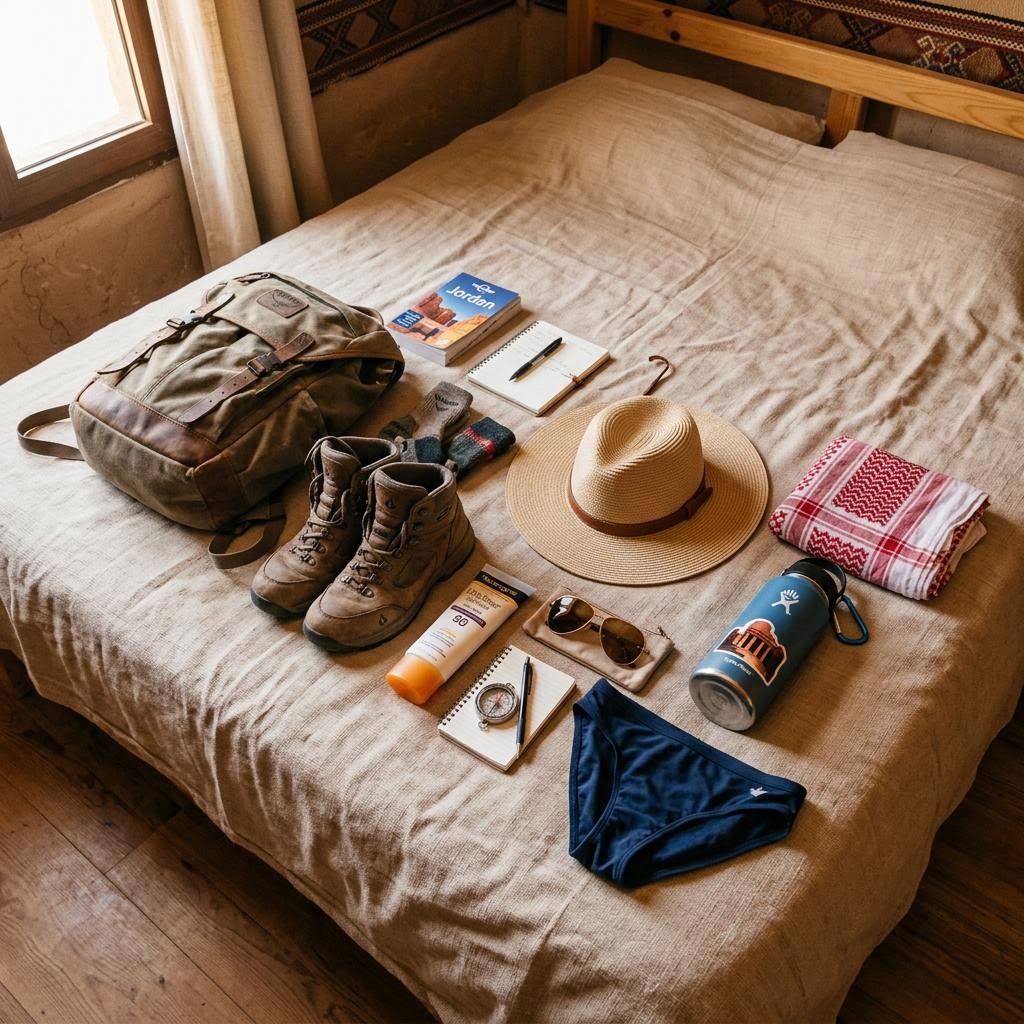
Petra and the Dead Sea sit only about 200 km apart, but they ask for almost opposite kits. Petra is a full day of walking on rock and sand — you cover 8 km or more without noticing. The Dead Sea is a short float in the saltiest water on earth, where the wrong footwear or swimsuit genuinely ruins the day.
After years of driving guests between the two, the same avoidable mistakes come up: sandals in the Siq, a brand-new white swimsuit ruined by minerals, no water shoes on the sharp salt shelf. This list fixes all of them.
Pack for both in one small bag and you can do Petra and the Dead Sea back to back — many of our guests visit them within the same two or three days.
What shoes should you wear in Petra?
Wear closed-toe walking shoes or trainers with a real grip — never open sandals. Petra is loose sand over hidden stones, and the Monastery climb is 800 uneven rock steps. Ankle support and a solid sole are what stop turned ankles and blisters.
A typical Petra visit is 6 to 8 hours on your feet, so comfort beats fashion. Broken-in shoes are ideal; a brand-new pair bought for the trip is the classic cause of blisters by lunchtime. If you plan the Al-Khubtha trail up to the Treasury viewpoint or the Monastery, treat it like a proper hike.
Bring a spare pair of socks in your daypack. Fine Petra sand works into everything, and a mid-day change is a small luxury on a long day.
What clothes should you pack for Petra?
Pack light, breathable layers and modest clothing that covers shoulders and knees. Mornings in the Siq can be cool — winter starts near 5°C — while middays in spring and autumn sit around 20 to 28°C and summer valleys push past 35°C. Layers let you adjust as the day heats up.
A wide-brimmed hat, sunglasses and high-factor sunscreen matter more than most people expect; there is very little shade along the main trails. Carry 1.5 to 2 liters of water per person, plus some cash in small notes for the Bedouin tea stalls and the cafe by the Monastery.
Jordan is a relaxed but conservative country, so modest dress is appreciated at sites and makes interactions warmer, especially away from the main tourist areas.
What do you need to bring to the Dead Sea?
Bring water shoes, an old swimsuit you do not mind discoloring, and a full change of clothes. The Dead Sea shore is a shelf of hard, sharp salt crystals, so water shoes protect your feet, and the dense minerals can stain and stiffen light-colored or delicate fabrics.
Pack a towel (many day-use beaches charge for them), a small bottle of fresh water to rinse your eyes if the salt stings, and any cuts covered — the water burns even tiny grazes. Do not shave the day you swim, and never dunk your head or splash: getting this water in your eyes is genuinely painful.
The black mineral mud is the fun part. Smear it on, let it dry for ten minutes, then rinse it off in the sea and shower afterward. If you are visiting on our Dead Sea and Baptism Site tour, your driver can time your float for late afternoon when the light and temperatures are kindest.
What should you add depending on the season?
In summer (June to August), add extra sun protection, electrolyte sachets and an early start — we begin Petra around 6:30 am to beat the heat, and the Dead Sea valley stays hot even in evening. In winter (December to February), add a warm layer, a light rain jacket and a beanie for chilly Petra mornings, while the Dead Sea itself stays a swimmable 20°C or more.
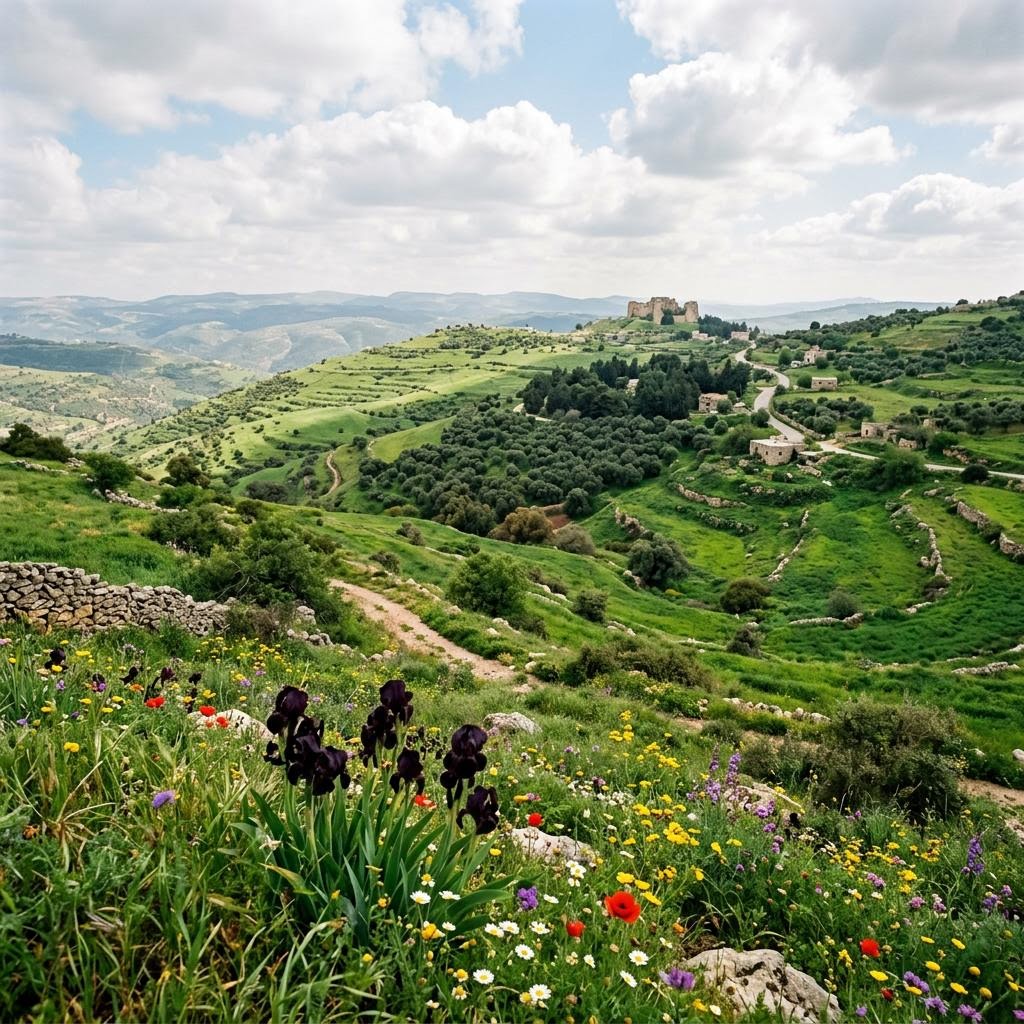
Spring and autumn (roughly March to May and September to November) are the easiest: 20 to 28°C days need only light layers and sun cover. Whatever the month, a small daypack, a power bank and a reusable water bottle carry over between both destinations.
If you are booking a private transfer or a guided day with us, tell your driver your plans in advance and we will confirm the practical extras — from spare water to a shaded midday break — before you set off.
Frequently Asked Questions
Can I wear sandals in Petra?
You should not wear open sandals in Petra. The trails are loose sand covering hidden stones, and the Monastery route is 800 uneven rock steps. Closed-toe walking shoes or trainers with a firm grip protect your feet and prevent turned ankles on a day that involves 8 km or more of walking.
Do I need water shoes for the Dead Sea?
Yes, water shoes are strongly recommended at the Dead Sea. The shoreline is a shelf of hard, sharp salt crystals that can cut bare feet. Water shoes let you walk in and out comfortably and protect you while you float in the mineral-heavy water.
What should I wear at Jordanian sites as a woman?
Modest clothing that covers your shoulders and knees is best at Jordanian sites. Jordan is relaxed but conservative, so lightweight trousers or a long skirt with a covering top keep you comfortable and respectful. This applies at Petra and religious sites; the Dead Sea beaches are more relaxed about swimwear.
Why should I bring an old swimsuit to the Dead Sea?
The Dead Sea water is extremely dense in minerals that can discolor and stiffen fabric, especially light-colored or delicate swimwear. Wear an older suit you do not mind possibly staining, and rinse it in fresh water afterward. A full change of clothes is also useful for after your float.
How much water should I carry in Petra?
Carry at least 1.5 to 2 liters of water per person in Petra. There is little shade on the main trails and the site involves hours of walking, with summer valley temperatures above 35°C. Refill where you can, and add electrolyte sachets in the hottest months to stay comfortable.
Plan this trip with us
Ready to experience Jordan with a local guide?
We plan and run private tours across all of Jordan — one message and your trip is in local hands.
Chat on WhatsApp