After fifteen years of guiding travelers across Jordan, the question we hear most is simple: when should we come? The honest answer is that Jordan works year-round — but each season rewards a different kind of trip. Here is how we advise our own guests.
Spring (March–May): the golden season
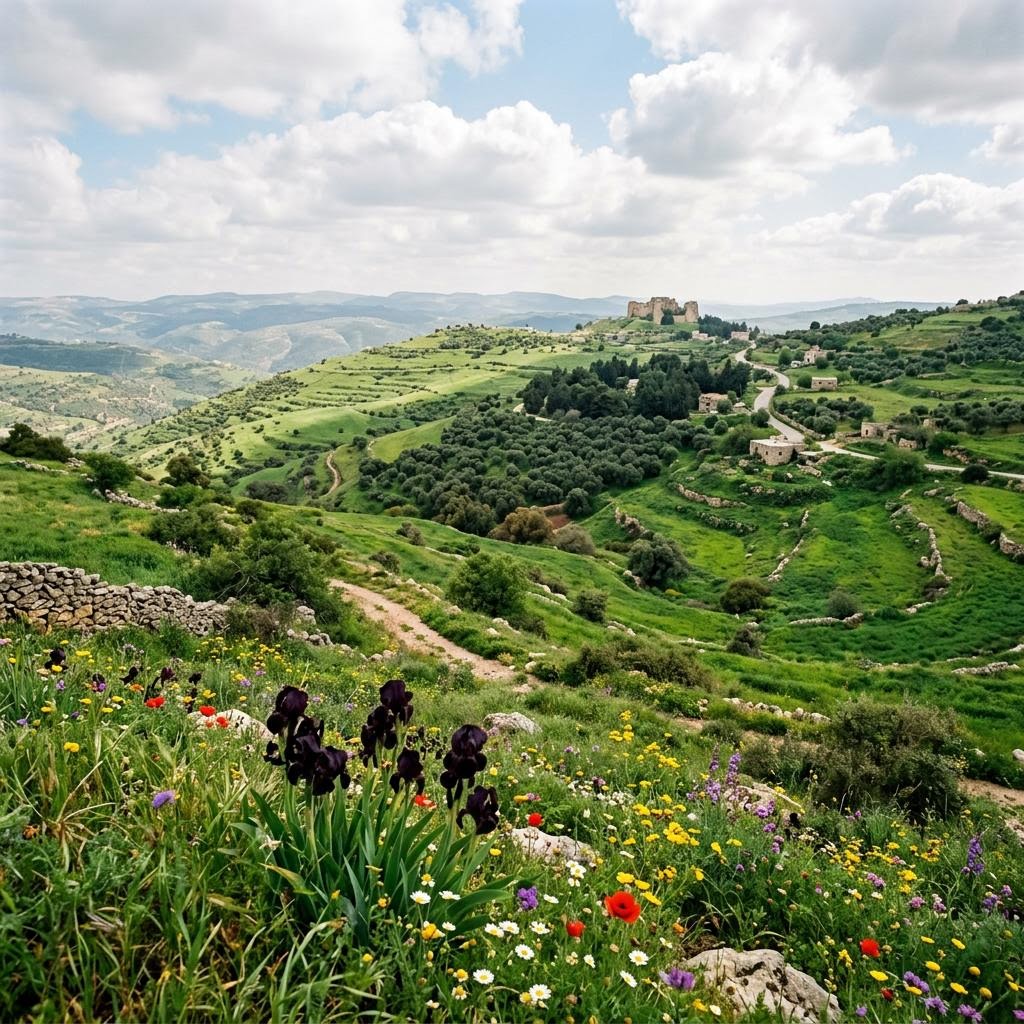
Spring is Jordan at its finest. Daytime temperatures sit between 20 and 28°C, the northern hills around Ajloun and Jerash turn green, and the black iris — our national flower — blooms across the highlands. Petra is comfortable all day, and Wadi Rum evenings are warm enough to linger by the campfire. This is peak season, so book guides and desert camps a few weeks ahead.
Summer (June–August): desert nights and Red Sea days
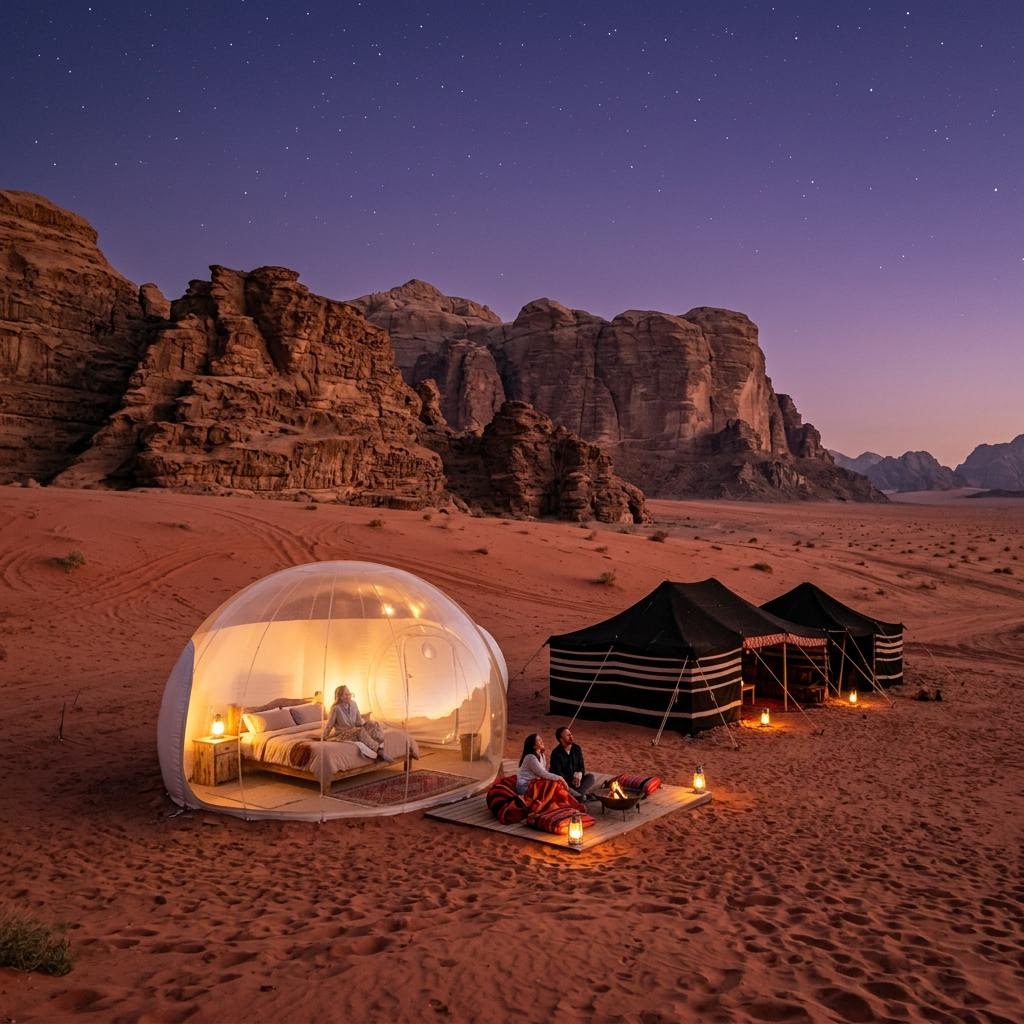
Summer afternoons reach 35°C+ in the valleys, but Jordan is a dry heat and mornings stay very usable — we simply start Petra at 6:30 am and rest at midday. Wadi Rum is glorious at night, Aqaba turns into a Red Sea playground, and the Wadi Mujib Siq Trail (open April–October) is at its refreshing best. Hotel prices also dip in summer.
Autumn (September–November): spring without the crowds
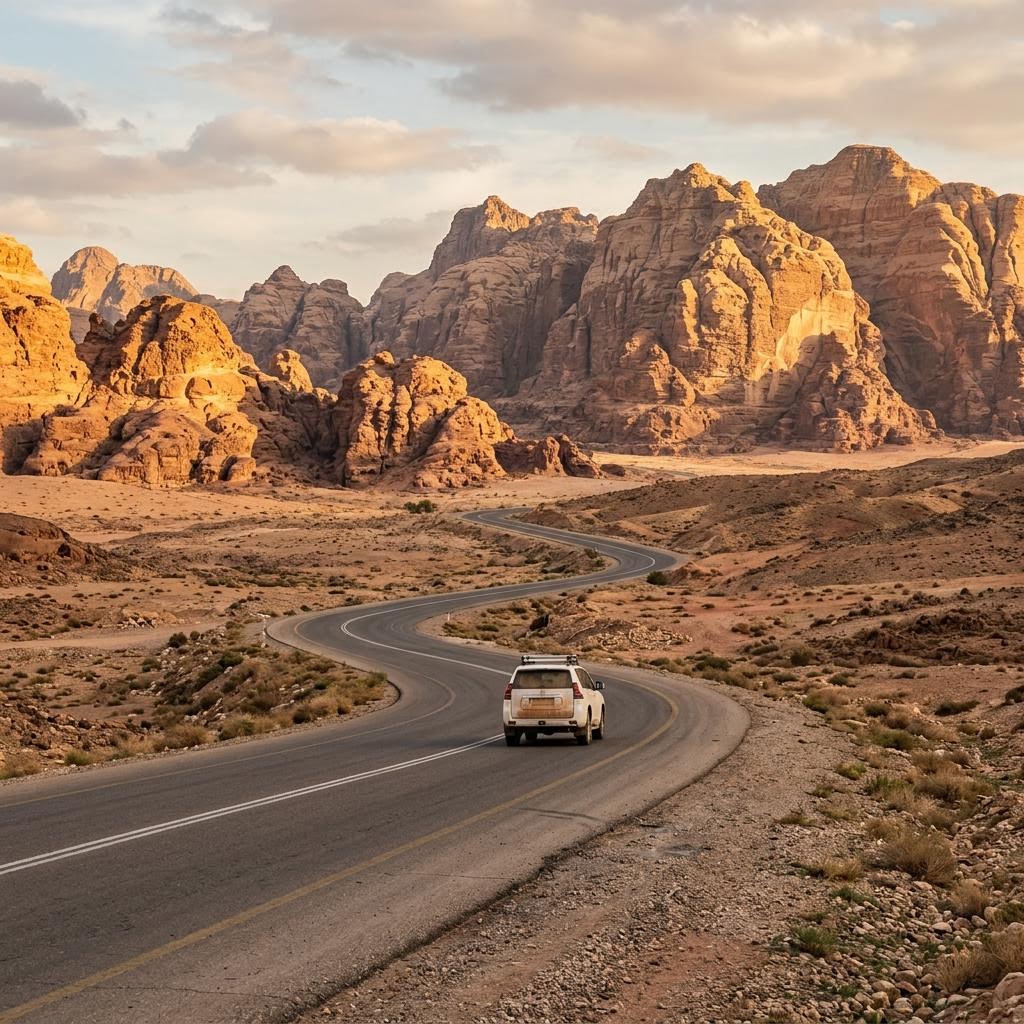
October and November mirror spring temperatures with quieter trails. The light turns soft and golden — photographers, this is your season. The Dead Sea is perfect for swimming well into November.
Winter (December–February): the insider secret
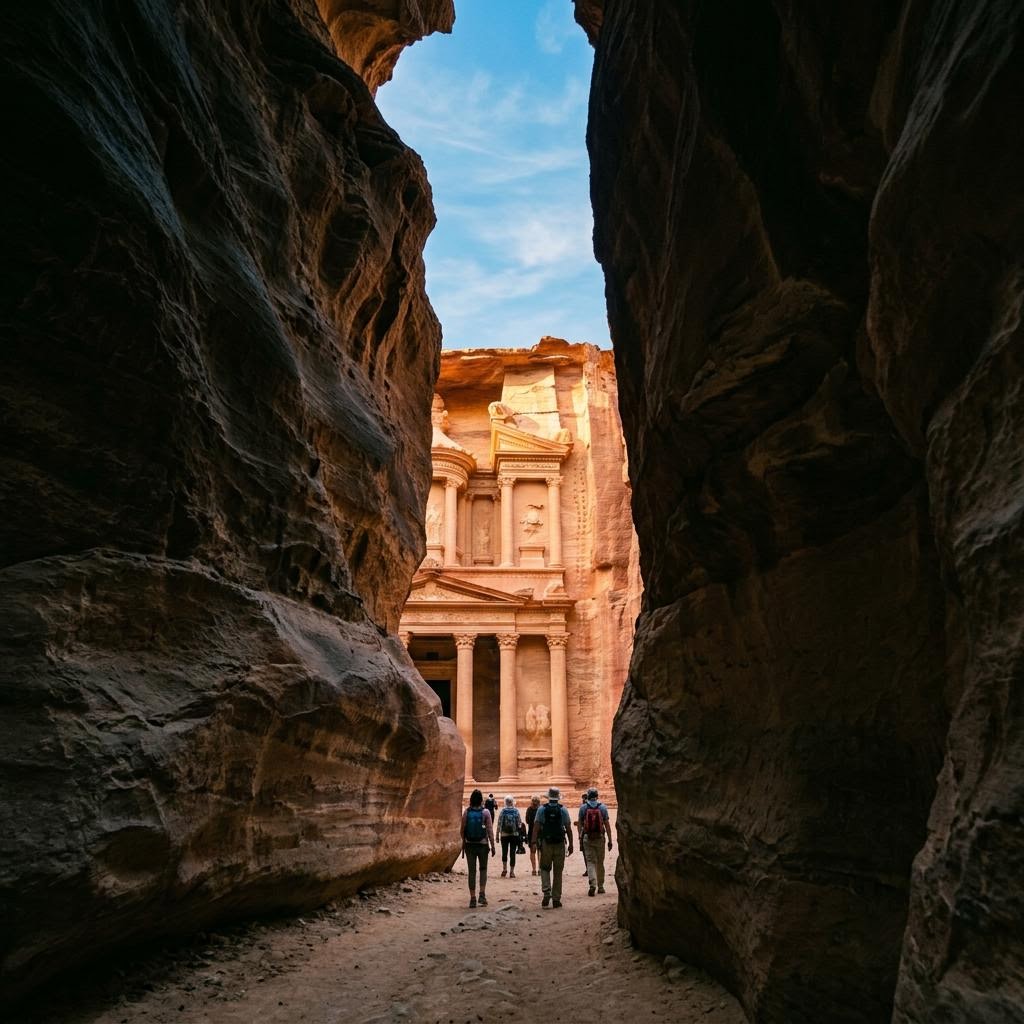
Winter Jordan is short-sleeve weather at the Dead Sea and Aqaba (both 20°C+ most days) while Amman and Petra turn crisp — pack layers. Sites are blissfully empty; you may have the Monastery at Petra entirely to yourself. Occasional rain or even snow in Amman just makes the mint tea taste better.
Whenever you come, a private guide bends the day around the weather — early starts in summer, sunny-side routes in winter. Tell us your dates on WhatsApp and we will build the right itinerary around them.
Ready to experience Jordan with a local guide?
We plan and run private tours across all of Jordan — one message and your trip is in local hands.
Chat on WhatsApp