Most travelers land in Amman, spend a night, and rush south to Petra. As someone who has guided this city for years, I understand the instinct — Amman is not a postcard capital of domes and canals. It is a working city of nearly four million people spread across steep hills of pale limestone.
But give it a day and Amman rewards you. This is where Jordan's layers stack up in plain sight: Roman ruins beside 1960s apartment blocks, an Umayyad palace above a modern downtown, and some of the best food you will eat anywhere in the Middle East.
So is Amman worth visiting? My honest answer is yes — as one or two focused days, not an afterthought. Here is what you actually get.
Is Amman worth visiting?
Yes — Amman is worth one or two days for its history, its downtown atmosphere and its food, but it is not a multi-day destination for most travelers. The city works best as a bookend to a wider Jordan trip: an arrival day to settle in, and perhaps a final day to enjoy the cafes and souks before you fly out.
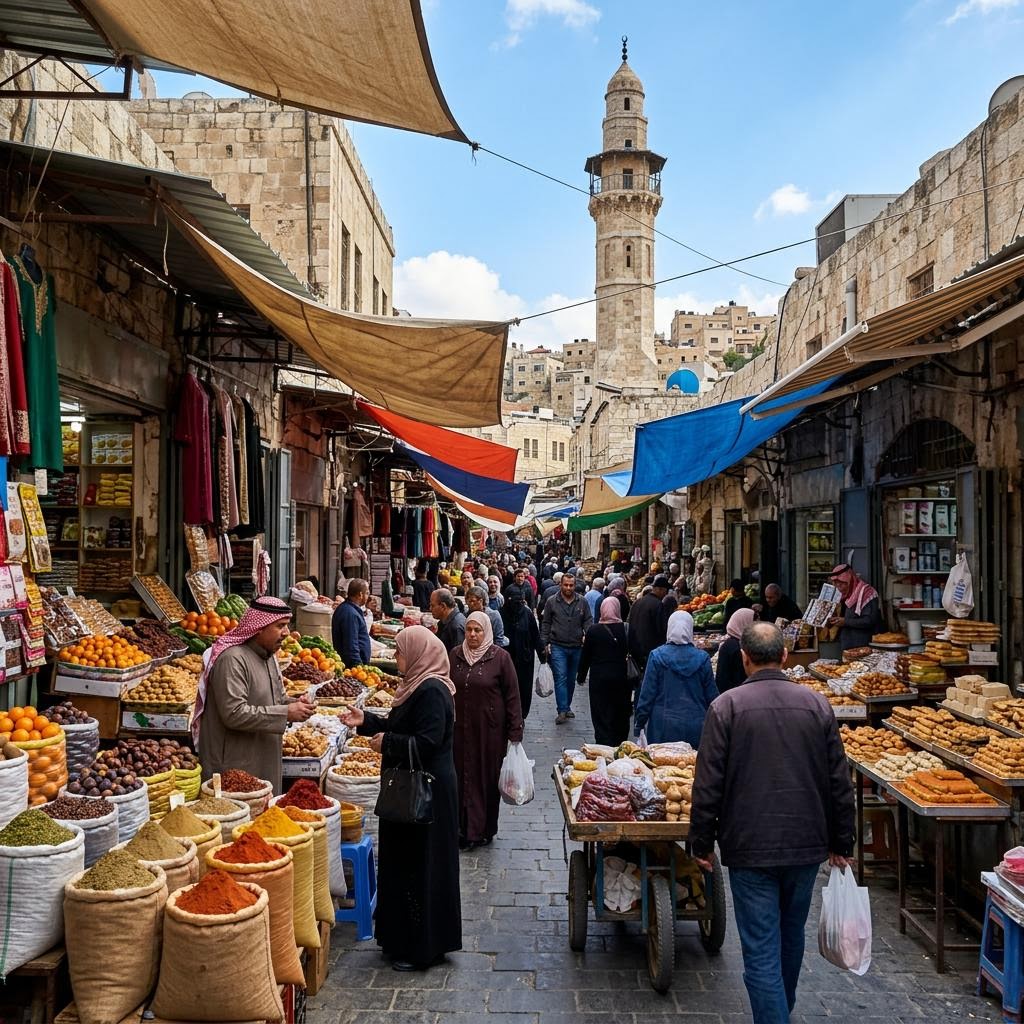
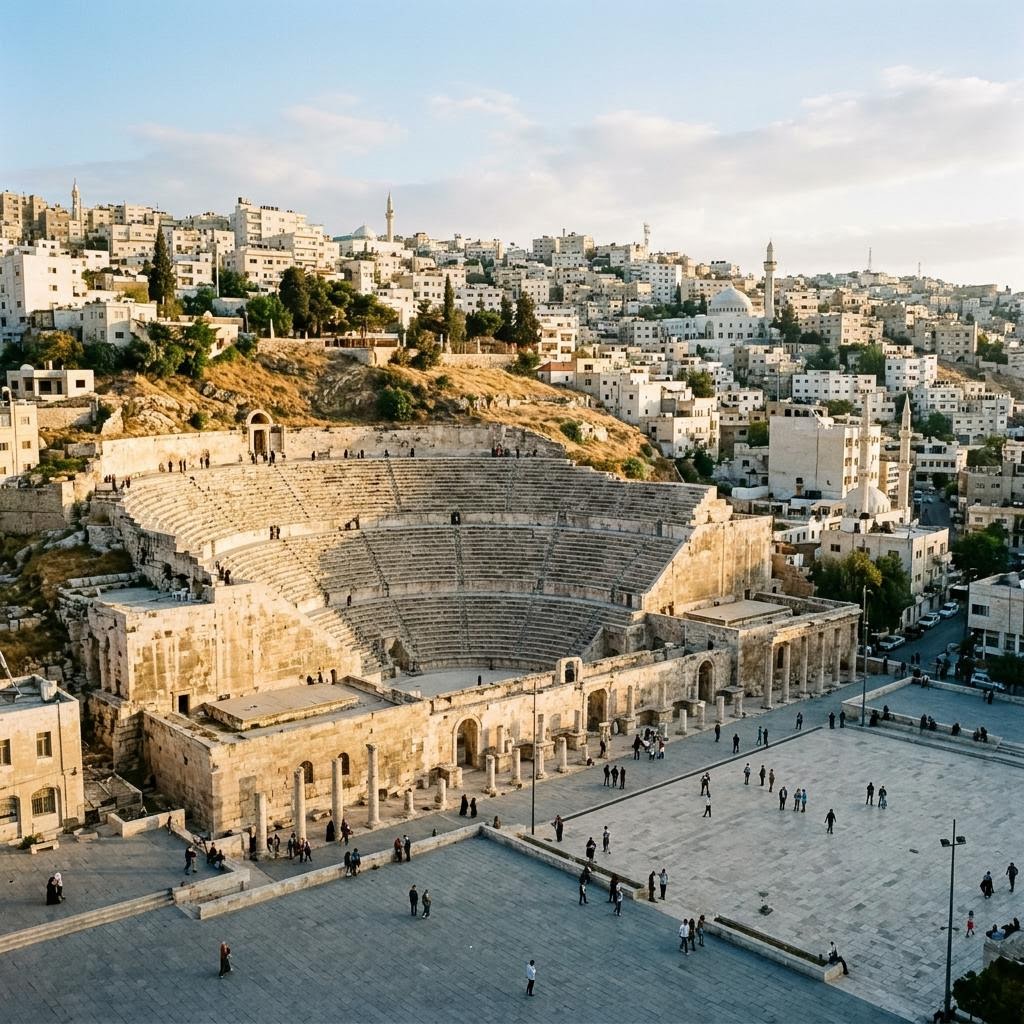
What makes it worthwhile is texture rather than a single blockbuster sight. You can stand at the Amman Citadel (3 JOD, open 8am–5pm) among Roman columns and an Umayyad palace, look down over the 2nd-century Roman Theatre (2 JOD) carved into the hillside, then walk down to a downtown of spice sellers, fresh juice stalls and the smell of grilling meat. It is genuinely lived-in, which is exactly why it feels real.
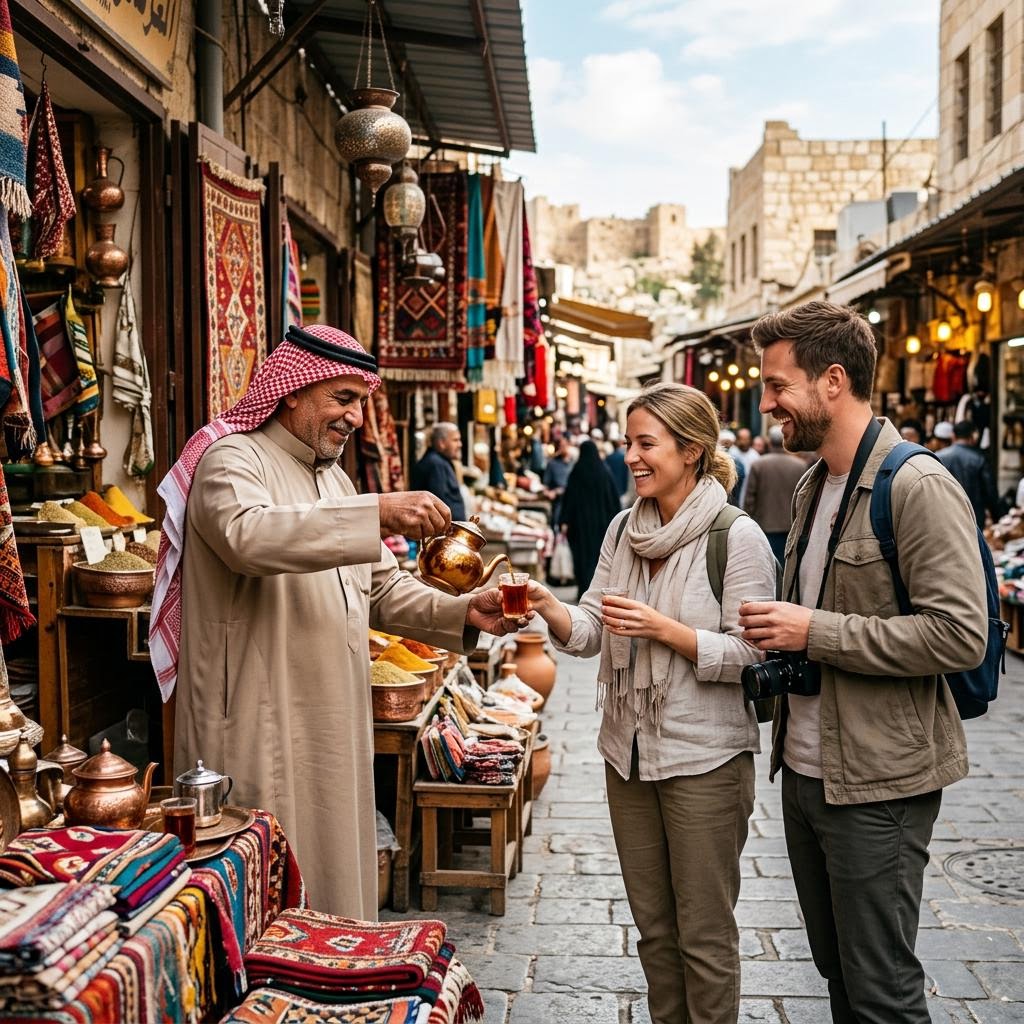
The travelers who leave Amman disappointed are usually the ones who expected a European-style old town and tried to see it in a rushed hour between flights. Those who slow down — who eat properly, wander downtown on foot, and catch the city at sunset from a Rainbow Street rooftop — almost always tell us it grew on them. Amman is a first impression that improves the longer you give it.
Why is Amman famous?
Amman is famous as one of the oldest continuously inhabited cities on earth, with roots going back more than 7,000 years. In the Bible and antiquity it was known as Rabbath-Ammon, and later as the Greco-Roman city of Philadelphia — one of the cities of the Decapolis.
Today it is better known as the calm, modern capital of Jordan and the gateway to the country's great sites. Travelers also know it for its warm hospitality and its food scene: this is the home of proper mansaf (lamb with fermented yogurt over rice), knafeh dripping with syrup, and downtown falafel that locals queue for. The white limestone used across the city gives Amman its nickname, the White City.
Amman is also known for how quickly it grew. A century ago it was a small town of a few thousand people; waves of arrivals through the 20th century turned it into a sprawling capital of nearly four million. That recent, layered growth is why you see Roman ruins, mid-century modernism and glassy new districts all within a few kilometres — a city still very much writing its own story.
Where is Amman?
Amman is the capital of Jordan, sitting in the north-central highlands of the country at roughly 750–1,000 metres above sea level. That elevation is why Amman is noticeably cooler than the valleys — winter days run 5–15°C while the Dead Sea an hour away stays above 20°C.
It is also central to everything you came to see. From Amman it is about 50 km (45–60 minutes) to both the Dead Sea and Jerash, roughly 235 km (about 3 hours via the Desert Highway) to Petra, and around 330 km (3.5–4 hours) to Aqaba on the Red Sea. Queen Alia International Airport lies about 35 km south of the city.
How many days do you need in Amman?
One to two days is enough for Amman itself. One full day covers the essentials: the Citadel, the Roman Theatre, downtown and Rainbow Street. A second day lets you slow down for the Jordan Museum, the galleries and cafes of Jabal Weibdeh, and unhurried meals.
The smart move is to use Amman as a base for day trips rather than adding more city days. From here you can reach Jerash (10 JOD entry) and Ajloun Castle (3 JOD) in the north, or the Dead Sea (45–60 minutes away) and easily be back for dinner. A private driver makes this simple — we run half-day city tours and full-day trips out to Jerash or the Dead Sea and back, so you never lose a day to logistics.
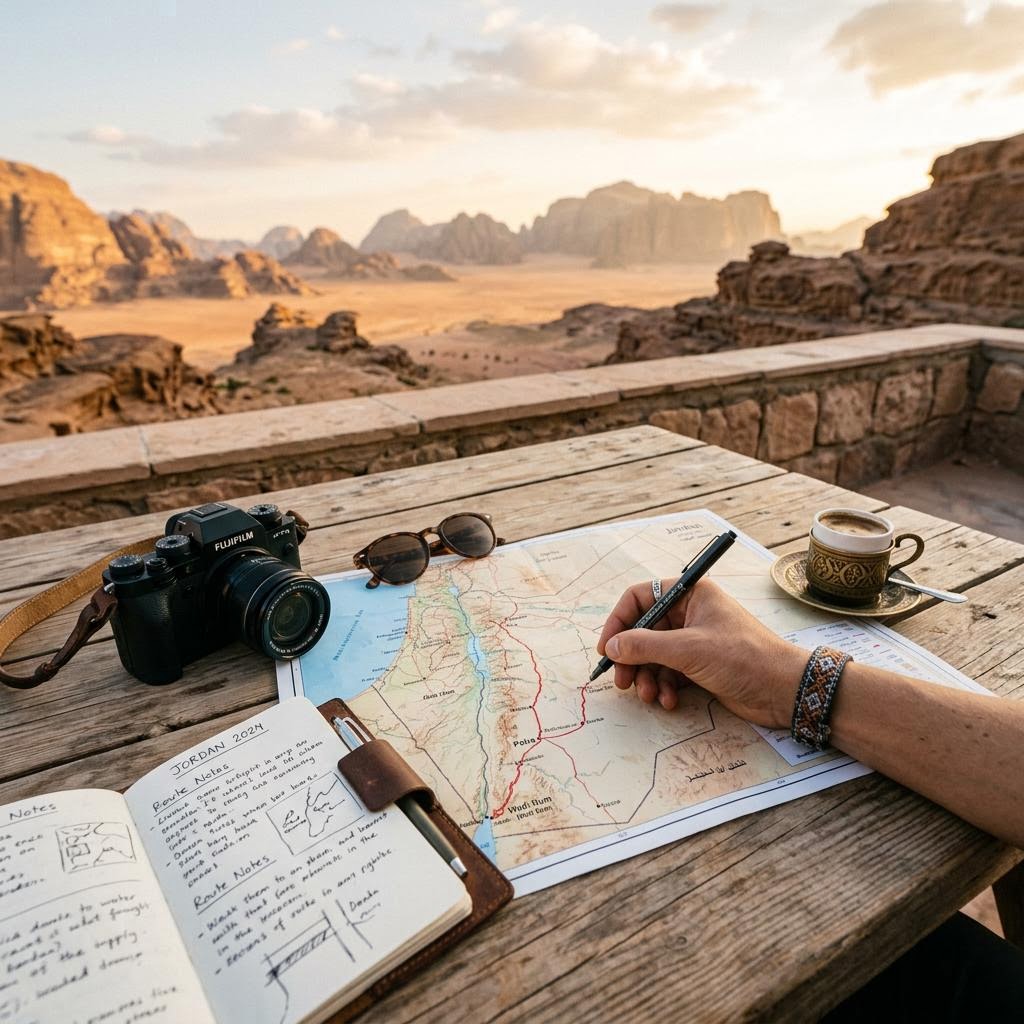
For most itineraries, we suggest bookending your trip with Amman: one day on arrival to adjust and see the Citadel and downtown, then heading south to Petra and Wadi Rum, and possibly a final relaxed day here before departure. That rhythm gives you the city without stealing time from Jordan's headline sights, and it means you fly out having actually experienced the capital rather than only its airport.
Can tourists go to Jordan right now?
Yes, tourists can and do visit Jordan. It is generally considered a safe, stable and welcoming country for tourism, and the visitor infrastructure — hotels, guides, transport — is well established. Most nationalities receive a visa on arrival, or you can buy a Jordan Pass online (from 70 JOD) which waives the visa fee if you stay at least three nights.
As with any international trip, we always advise checking your own government's official travel advisory before you book, since guidance can change. In our day-to-day experience, travelers move around Amman and the whole country comfortably. A local driver or guide simply removes the small frictions — language, parking, and knowing which downtown alley has the best falafel.
Frequently Asked Questions
Is Amman worth visiting for tourists?
Yes, Amman is worth one to two days for most tourists. It offers real history at the Citadel and Roman Theatre, a lively downtown, and excellent food, though it is best treated as a base and bookend for a wider Jordan trip rather than a stand-alone multi-day destination.
Why is Amman famous?
Amman is famous as one of the oldest continuously inhabited cities on earth, with more than 7,000 years of history. Known in antiquity as Rabbath-Ammon and later the Roman city of Philadelphia, it is today the modern capital of Jordan and the main gateway to Petra, Wadi Rum and the Dead Sea.
How many days do you need in Amman?
One to two days is enough for Amman itself. One day covers the Citadel, Roman Theatre, downtown and Rainbow Street, while a second day allows for museums, the Weibdeh cafes and day trips to Jerash or the Dead Sea, both about an hour away.
Where is Amman located?
Amman is the capital of Jordan, set in the north-central highlands at roughly 750 to 1,000 metres elevation. It is about 50 km from both the Dead Sea and Jerash, around 235 km from Petra, and roughly 330 km from Aqaba on the Red Sea.
Can tourists visit Jordan safely?
Yes, Jordan is generally considered a safe and stable destination for tourists, with well-developed visitor infrastructure. Travelers should still check their own government's official travel advisory before booking, as guidance can change, but visiting Amman and the wider country is straightforward for most nationalities.
Plan this trip with us
Ready to experience Jordan with a local guide?
We plan and run private tours across all of Jordan — one message and your trip is in local hands.
Chat on WhatsApp