Amman is a city you read with your feet. It climbs across nineteen hills, so a good day here is really a series of short, purposeful stops linked by a few five-minute drives. Do it in the right order and the city opens up beautifully.
This is roughly the day we design for our own guests — history in the cool morning, downtown and food in the afternoon, and cafes or a rooftop as the light softens. Here is what to actually do, and how to string it together.
What are the top historical sites in Amman?
The two essentials are the Amman Citadel and the Roman Theatre. Start at the Citadel (Jabal al-Qal'a), the hill at the heart of old Amman, entry 3 JOD and open 8am–5pm. Up there you get the Temple of Hercules columns, the domed Umayyad Palace, the small Jordan Archaeological Museum, and the best panorama of the whole city.
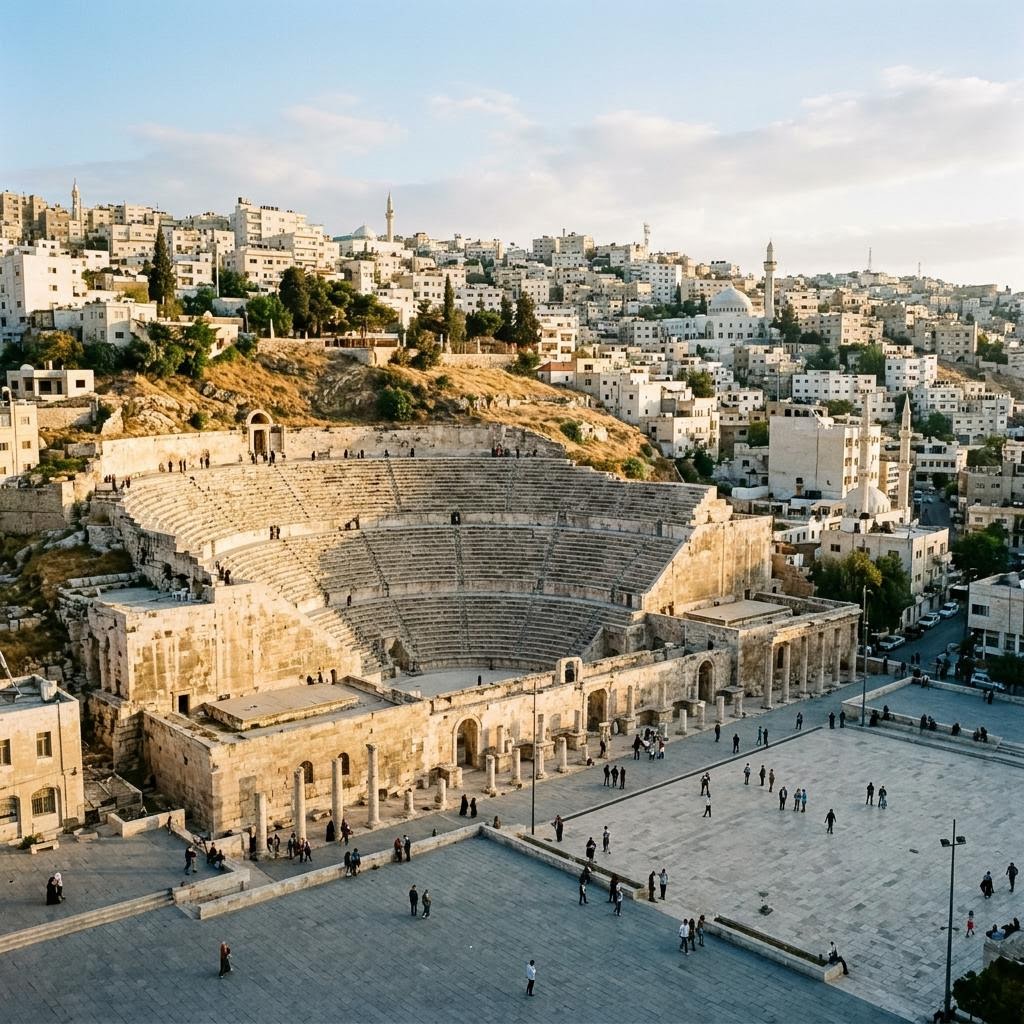
From the Citadel, look down and you will see the 2nd-century Roman Theatre carved into the opposite hillside — it once seated around 6,000 people and still does for concerts. Entry is just 2 JOD, and the same ticket covers the small Folklore and Popular Traditions museums flanking the stage. These two sites together take a comfortable morning.
If you have a second day, the Jordan Museum near the Ras al-Ain area is the best in the country, home to some of the Dead Sea Scrolls and the astonishing 9,000-year-old Ain Ghazal statues, among the oldest human figures ever made. It sits a short drive from downtown and pairs well with a slower, more reflective morning after the outdoor sites.
What is there to do in downtown Amman?
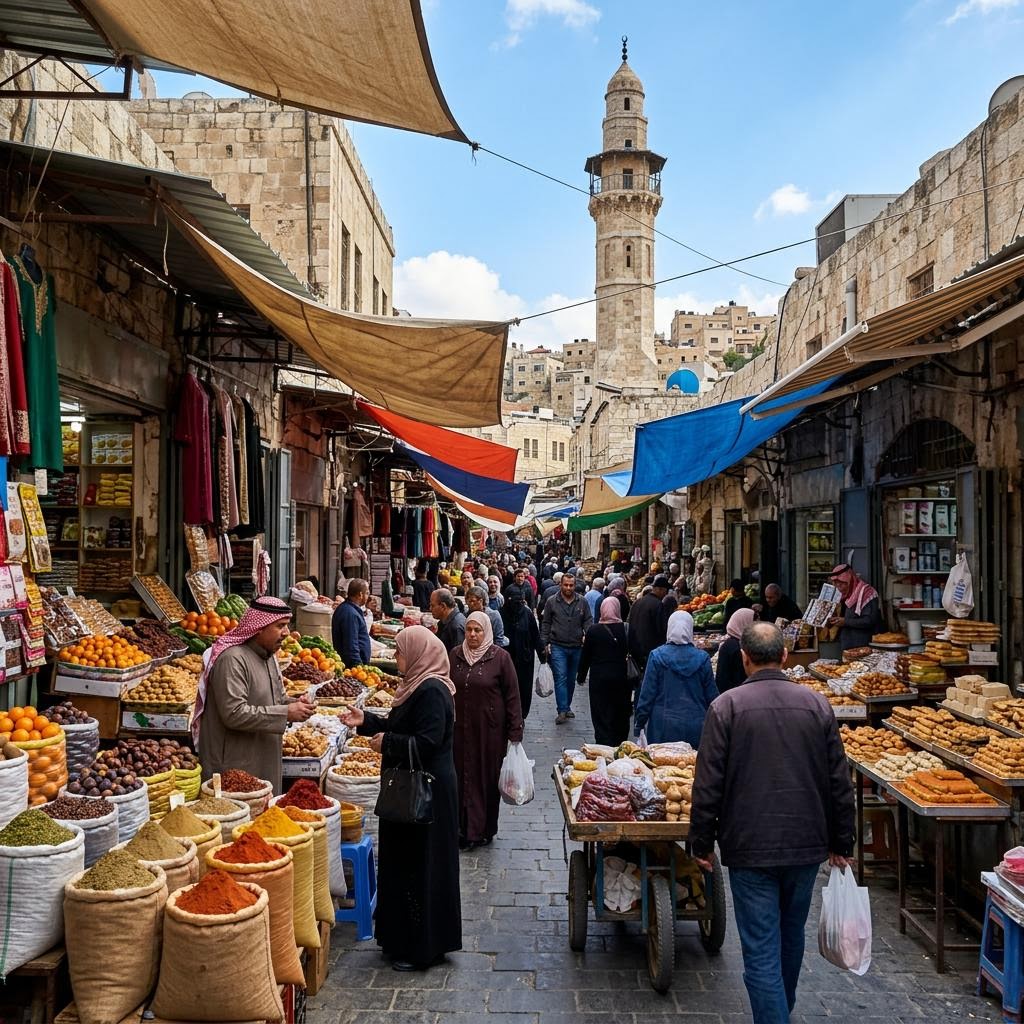
Downtown (al-Balad) is where you eat, shop and feel the city's pulse. It sits in the valley right below the Roman Theatre, so you can walk straight down after your morning of ruins. This is the oldest, busiest part of Amman: narrow streets of spice merchants, gold souks, fresh juice and coffee stalls, and vegetable markets.
Do not miss the Blue Mosque (King Abdullah I Mosque), which welcomes respectful non-Muslim visitors for 1 JOD outside prayer times — modest dress and headscarves are provided. Wander the fruit-and-veg souk, pick up dates and pistachios, and stop for a mint lemonade. The whole downtown is walkable, which makes it the easiest part of Amman to explore on foot.
What is Rainbow Street and Jabal Weibdeh like?
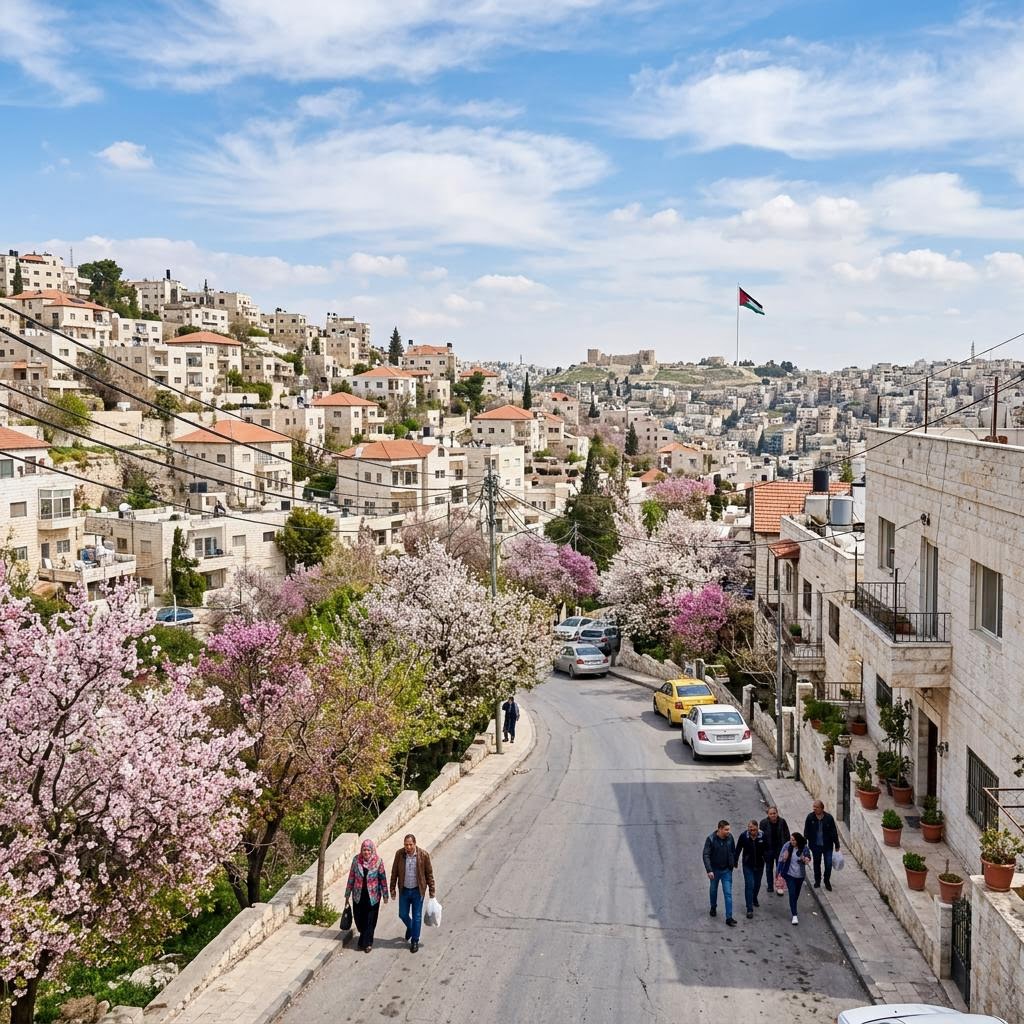
Rainbow Street is Amman's best-known strip for cafes, boutiques and evening strolling, running along Jabal Amman near the historic First Circle. By day it is relaxed; on Friday mornings in season it hosts the Souk Jara market of crafts and local design. Grab a coffee, browse independent shops, and enjoy the views back toward downtown.
A short hop away, Jabal Weibdeh is the arts neighbourhood — leafier and quieter, full of galleries like Darat al Funun, specialty coffee roasters and small restaurants. If Rainbow Street is where visitors gather, Weibdeh is where young Ammanis actually hang out. Both are ideal for the late afternoon and early evening once the historical sites close.
For a good sense of the city's creative side, time your visit for a Friday morning when Souk Jara runs (roughly late spring through autumn): local designers, artists and food vendors set up along a stretch near Rainbow Street. Even outside market days, this whole ridge is the best area to base yourself if you want cafes, walkable streets and views within a few minutes of your hotel.
Where should you eat in Amman?
Eat mansaf at least once — it is the national dish of Jordan, lamb cooked in fermented dried yogurt (jameed) over rice, eaten as a shared plate. For an authentic sit-down version, plenty of downtown restaurants serve it, ideally at lunch.
For quick classics, chase down proper hummus and falafel in al-Balad in the morning, and finish with knafeh — warm cheese pastry soaked in syrup — which locals eat standing up straight off the tray. In the evenings, Rainbow Street and Weibdeh offer everything from grilled meze to modern Jordanian cooking. Come hungry; Amman's food is genuinely one of the best reasons to be here.
A few other things worth ordering: fresh mint lemonade on a hot afternoon, sahlab or Arabic coffee with cardamom, and a mixed grill of shish tawook and kofta. If you only have time for one proper meal, make it a shared spread of meze — hummus, mutabbal, tabbouleh, warm bread and grilled meats — which is how Jordanians actually eat and the friendliest introduction to the local table.
A quick word on tipping and hours: a little cash goes a long way at the downtown stalls, and most sit-down places add a service charge but still welcome rounding up. Lunch is the main event in traditional restaurants, so if you want the freshest mansaf, go around midday rather than late evening. And keep some coins for the fresh juice carts — the pomegranate and orange are squeezed in front of you.
What are the best day trips from Amman?
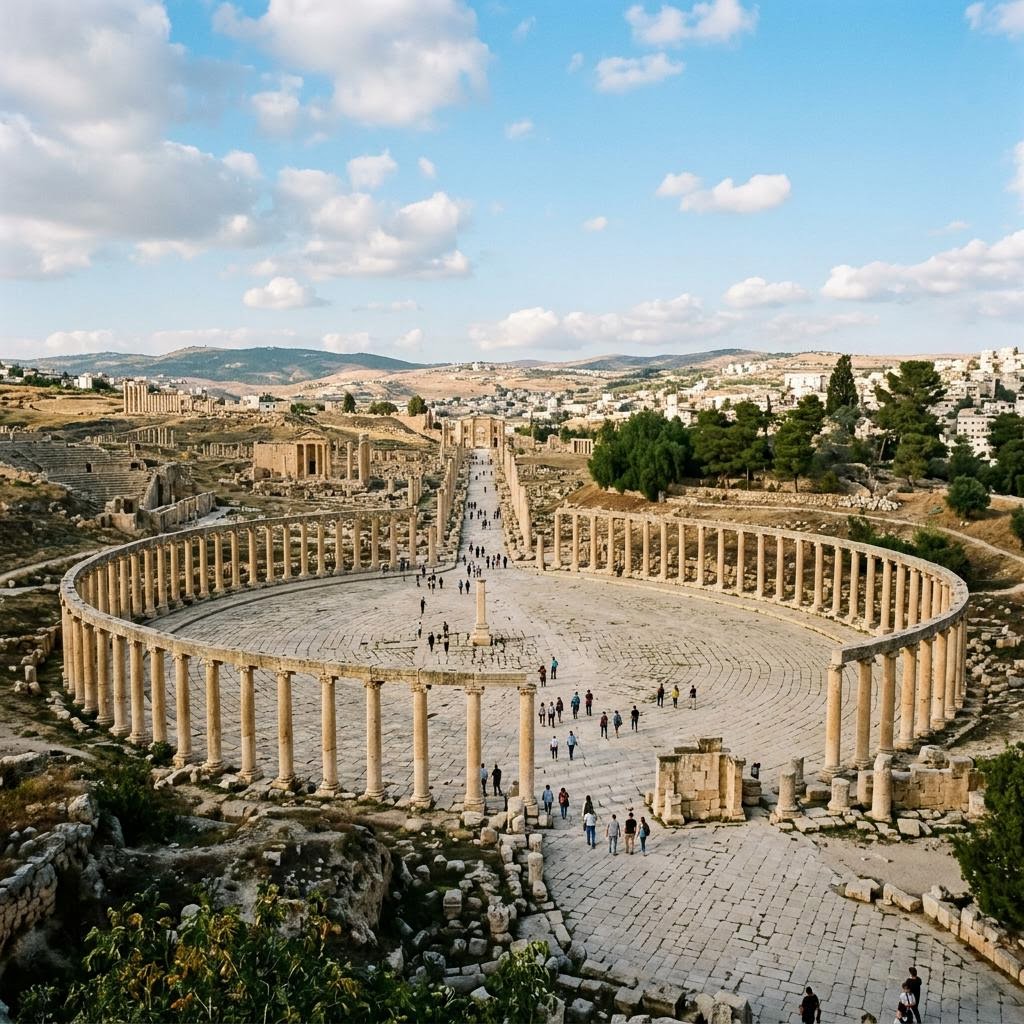
The three easiest are Jerash, the Dead Sea and Ajloun — all within about an hour. Jerash, the vast Roman city, is roughly 50 km north (45–60 minutes) with 10 JOD entry, and pairs naturally with Ajloun Castle (3 JOD) in the northern hills. The Dead Sea is about 50 km west (45–60 minutes), perfect for an afternoon float and back for dinner.
You can also reach Madaba and its famous mosaic map (churches ticket 11 JOD) and Mount Nebo (3 JOD) in under an hour on the way toward the Dead Sea. Because these trips involve a bit of driving on winding roads, most of our guests take a private driver for the day — we handle the route and timing so you spend your energy on the sites, not the map.
Frequently Asked Questions
What are the must-see attractions in Amman?
The must-see attractions in Amman are the Citadel (3 JOD, open 8am to 5pm) with its Roman and Umayyad ruins and city panorama, and the 2nd-century Roman Theatre (2 JOD) below it. Add downtown al-Balad for souks and food, plus Rainbow Street and Jabal Weibdeh for evening cafes.
How much does it cost to visit Amman's main sites?
Amman's main sites are inexpensive. The Citadel costs 3 JOD, the Roman Theatre 2 JOD, and the Blue Mosque 1 JOD for visitors. A Jordan Pass, from 70 JOD, covers the Citadel along with Petra, Jerash, Wadi Rum and 40+ other sites nationwide, so most visitors never pay these fees separately.
What is the best food to try in Amman?
The dish to try in Amman is mansaf, Jordan's national dish of lamb cooked in fermented yogurt over rice. Downtown al-Balad is also the place for fresh hummus, falafel and knafeh, a syrup-soaked cheese pastry that locals eat standing up straight off the tray.
What day trips can you take from Amman?
The best day trips from Amman are Jerash and Ajloun in the north and the Dead Sea to the west, all about 45 to 60 minutes away. Madaba and Mount Nebo are also within an hour, making them easy to combine on a single day heading toward the Dead Sea.
Is Rainbow Street worth visiting in Amman?
Yes, Rainbow Street is worth an hour or two, especially in the late afternoon and evening. It is Amman's liveliest strip of cafes, boutiques and viewpoints, and on Friday mornings in season it hosts the Souk Jara craft market. Nearby Jabal Weibdeh offers a quieter, arts-focused alternative.
Plan this trip with us
Ready to experience Jordan with a local guide?
We plan and run private tours across all of Jordan — one message and your trip is in local hands.
Chat on WhatsApp