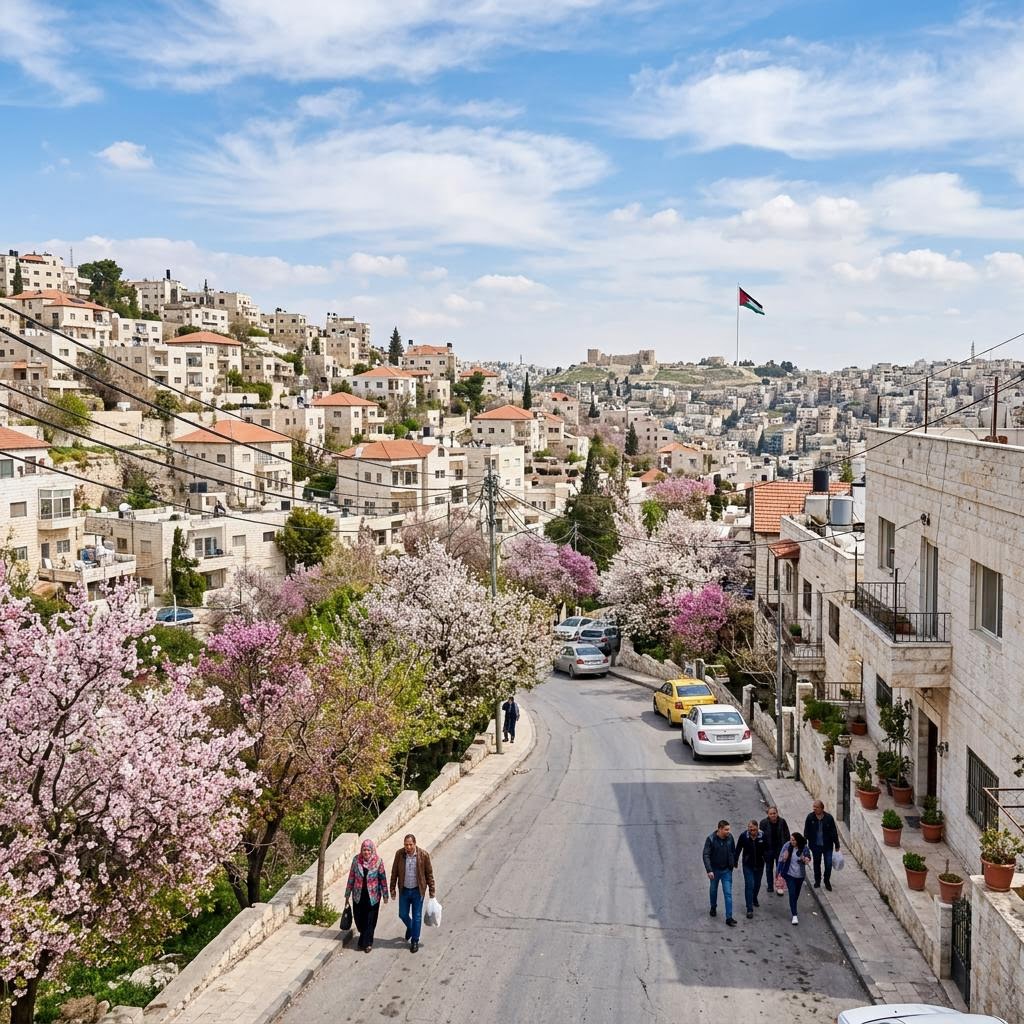
Amman sits high — around 750 to 1,000 meters above sea level — so it runs cooler and drier than the valleys below. That altitude shapes the whole year: hot but bearable summers, genuinely cold winter nights, and two long stretches of near-perfect weather in between.
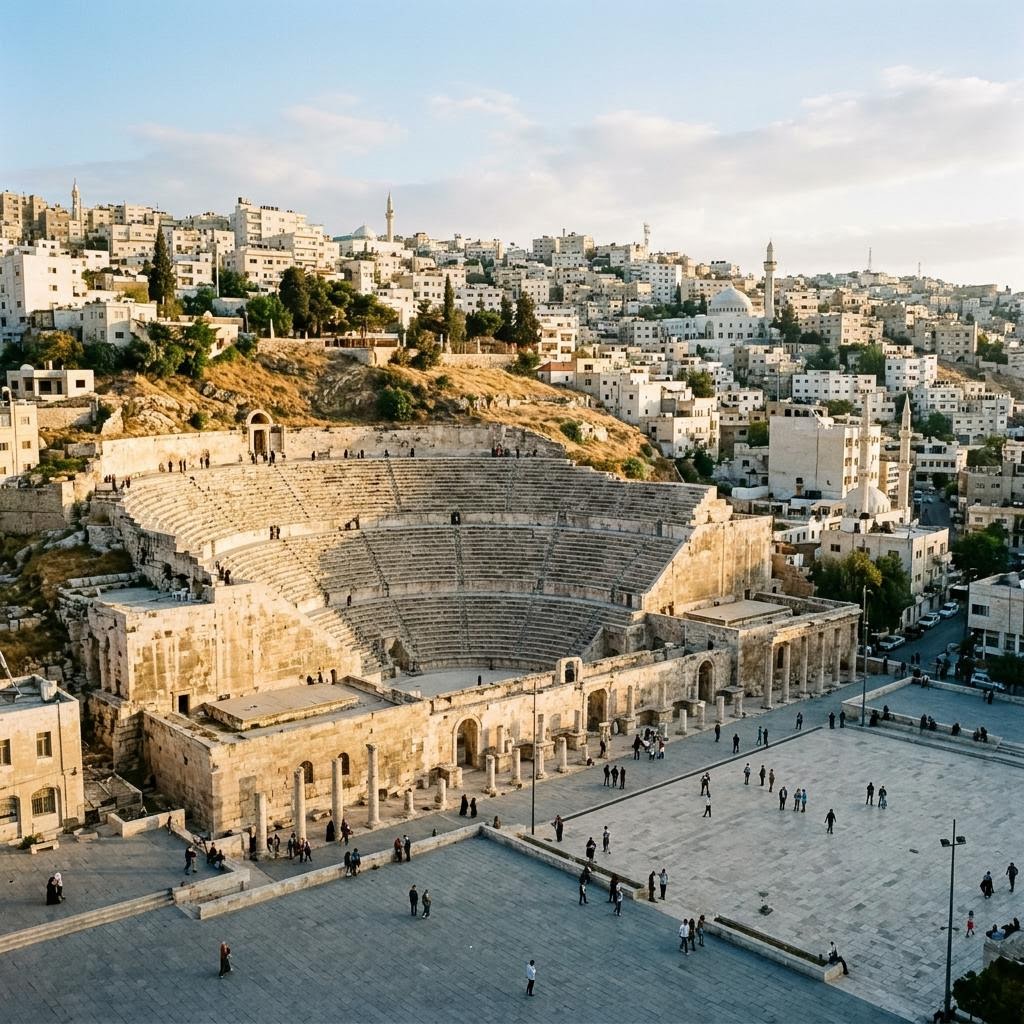
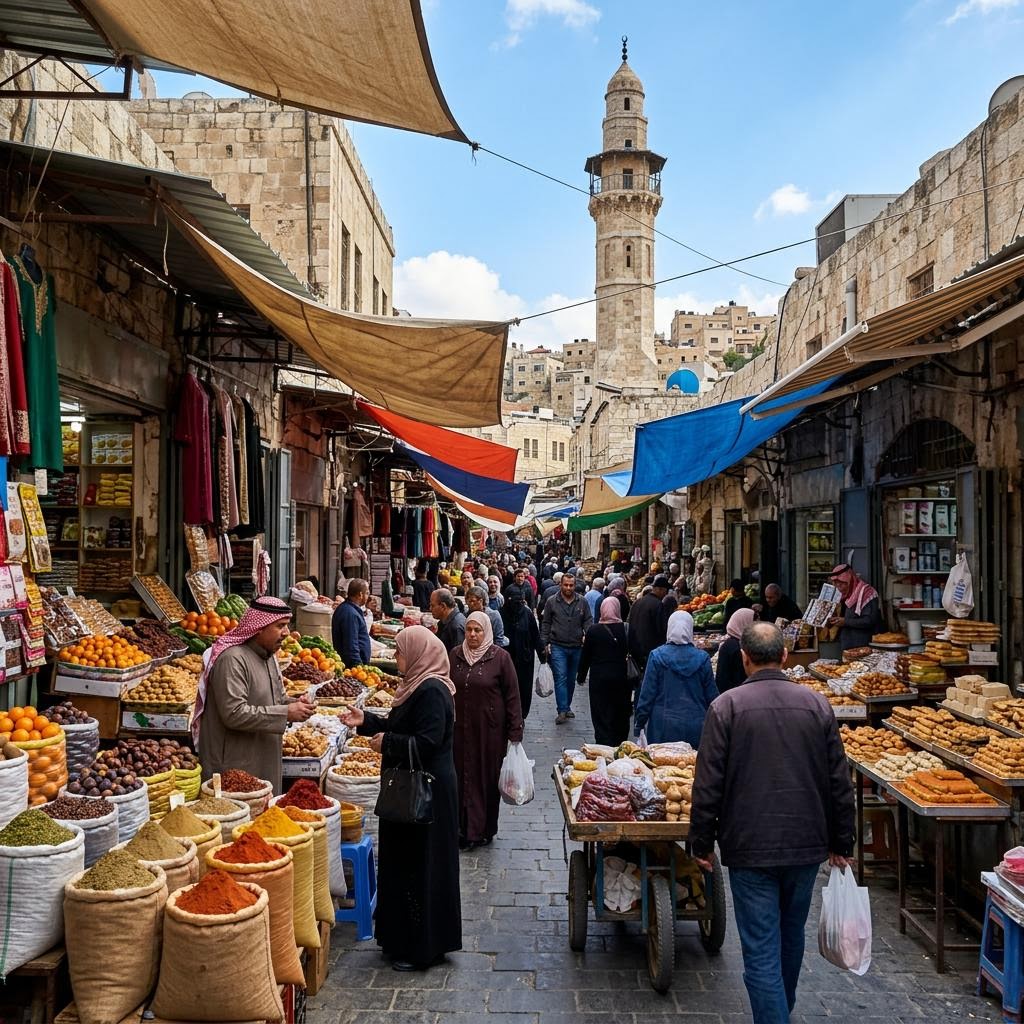
For sightseeing the Citadel, the Roman Theater and the downtown souks on foot, the temperature you get makes all the difference. Below is how the city actually feels month by month, so you can pick your window.
The short version: aim for spring or autumn if you can, when days hover around 20 to 25°C and the whole city moves outdoors.
When is the best time to visit Amman?
The best time to visit Amman is spring (March to May) or autumn (September to November), when daytime temperatures sit around 20 to 25°C with clear skies. These are the sweet spots for walking the Citadel — open 8 am to 5 pm, 3 JOD entry — and the downtown streets without battling heat or cold.
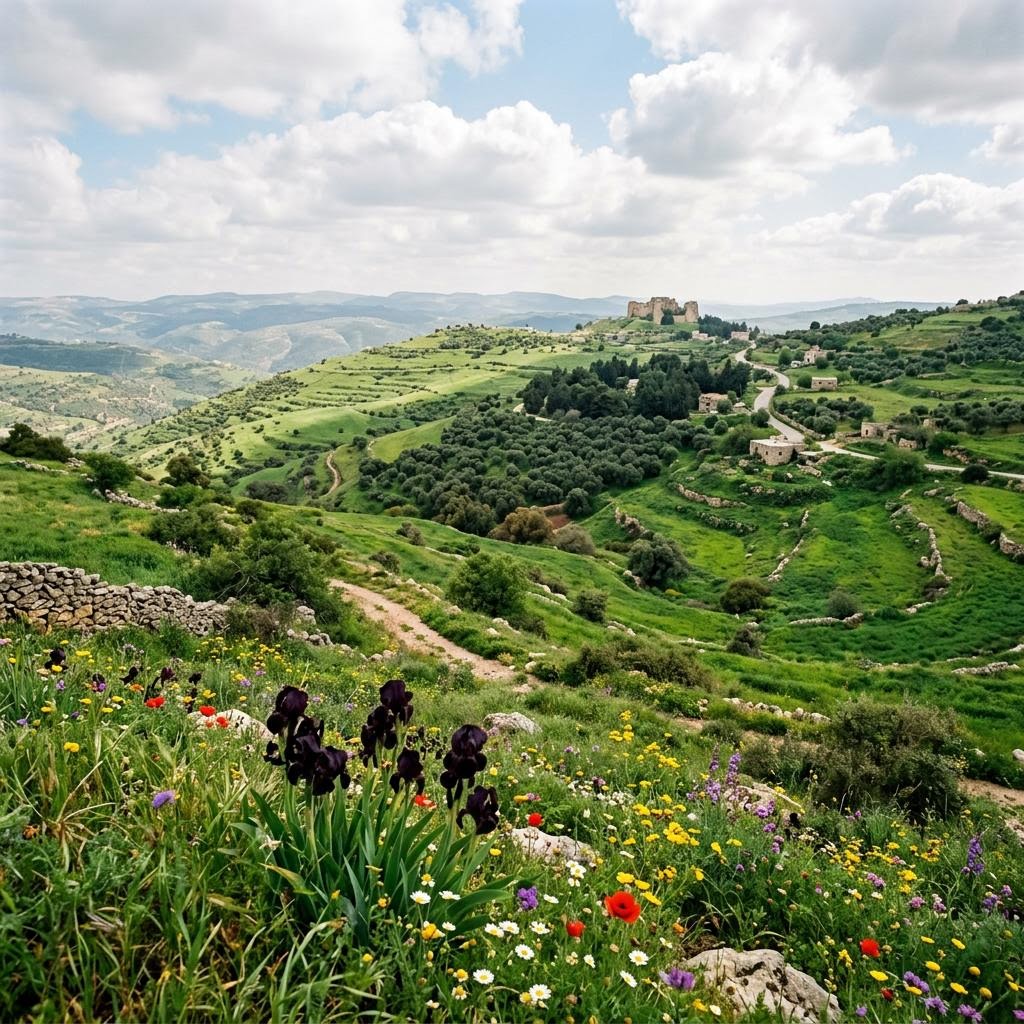
Spring adds green hills and mild evenings; autumn brings soft golden light and slightly quieter streets after the summer rush. Both seasons are comfortable morning to night, which is exactly what you want in a city best explored on foot and across its many hills.
If your dates are flexible, April, May, September and October are the standout months. A private half-day city tour is easy to enjoy in this weather without needing to rush between shaded stops.
What is the weather like in Amman by season?
Amman has four clear seasons. Summer (June to August) is hot and dry, regularly reaching the mid-30s°C by afternoon, though the altitude keeps evenings pleasant and the humidity low. Winter (December to February) is cold, wet and occasionally snowy, with daytime highs of just 5 to 15°C and chilly nights.
Spring and autumn are the transition seasons and the most comfortable, at 20 to 25°C. Rain in Amman falls almost entirely between November and March, so summer visitors can count on dry days, while winter visitors should pack a warm layer and a rain jacket.
One local tip: even in summer, mornings are the best time for outdoor sights, and in winter the sunny midday hours are your window. A private driver lets you flex your day around the temperature rather than the clock.
Should I visit Amman during Ramadan?
You can visit Amman during Ramadan, but expect a different rhythm. Ramadan is the Muslim holy month of daytime fasting, so many cafes and restaurants close or run limited hours until sunset, and the pace slows during the day before the city comes alive at night with the iftar meal.
The dates shift roughly 11 days earlier each year on the Western calendar, so check when it falls before booking. If you do visit, be respectful by not eating, drinking or smoking in public during daylight. The upside is a wonderful festive atmosphere after dark, with lantern-lit streets and packed sweet shops.
Sites like the Citadel and Roman Theater still open, sometimes with adjusted hours. We are happy to plan a Ramadan-friendly day that respects the fast while still seeing the best of the city.
Are there festivals or events in Amman?
Yes — Amman has a lively calendar, mostly clustered in the mild months. The nearby Jerash Festival of Culture and Arts, usually held in summer, fills the Roman ruins 50 km north with music and performances, and Amman itself hosts film, food and design events through spring and autumn.
The two Eid holidays (marking the end of Ramadan and the later feast) bring family celebrations, busy restaurants and a joyful mood, though some businesses close for a few days. Weekly life peaks on Fridays and Saturdays, the local weekend, when downtown and Rainbow Street are busiest.
If timing an event matters to you, share your travel dates with us on WhatsApp and we will tell you what is on and build a private itinerary around it.
Frequently Asked Questions
What is the best month to visit Amman?
April, May, September and October are the best months to visit Amman. Daytime temperatures sit around 20 to 25°C with clear, dry skies, ideal for walking the Citadel, Roman Theater and downtown souks. These spring and autumn months avoid both the summer heat and the cold, wet winter.
Is Amman hot in summer?
Amman is hot in summer, regularly reaching the mid-30s°C in the afternoon between June and August. However, its altitude of around 750 to 1,000 meters keeps humidity low and evenings pleasant. Sightsee in the morning and rest at midday to stay comfortable during the hottest part of the day.
Does it get cold in Amman in winter?
Yes, Amman gets genuinely cold in winter. Between December and February, daytime highs are only 5 to 15°C, nights are chilly, and occasional snow can fall because of the city high altitude. Pack a warm layer and a rain jacket, as most of the year rain falls in these months.
Can tourists visit Amman during Ramadan?
Tourists can visit Amman during Ramadan. Many restaurants close or run limited hours until sunset, and the daytime pace slows, but major sites still open and the city comes alive at night. Visitors should avoid eating, drinking or smoking in public during daylight out of respect for those fasting.
When does it rain in Amman?
Rain in Amman falls almost entirely between November and March. Summer months are reliably dry, making them predictable for outdoor sightseeing despite the heat. Winter visitors should expect wet days and pack a rain jacket, while spring and autumn see only occasional showers.
Plan this trip with us
Ready to experience Jordan with a local guide?
We plan and run private tours across all of Jordan — one message and your trip is in local hands.
Chat on WhatsApp