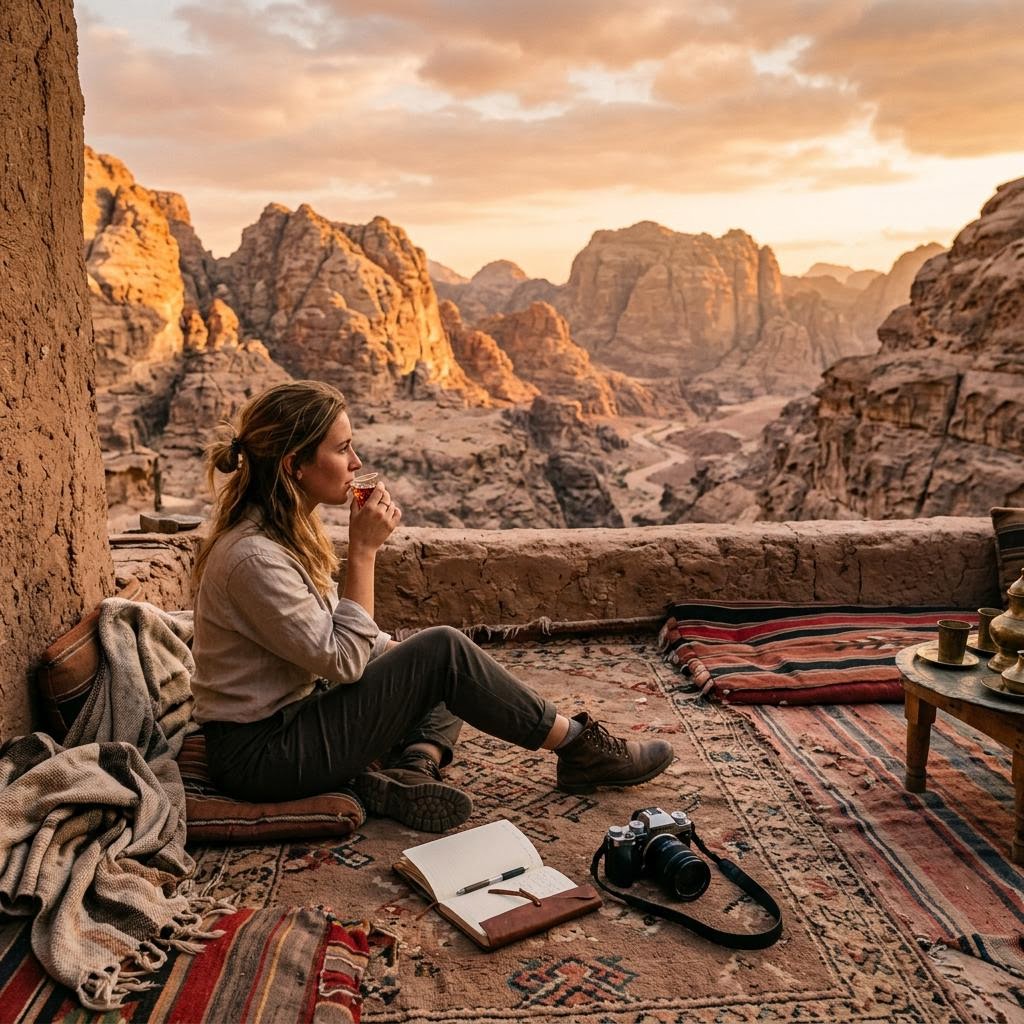
If you are asking what language is spoken in the country of Jordan, the direct answer is Arabic: it is Jordan’s official and national language. Most people speak Jordanian Arabic in daily life, while Modern Standard Arabic appears in formal writing, news and official contexts. English is common in tourism, hotels and many professional settings, but it is not a replacement for Arabic everywhere. Learning a greeting or thank-you makes travel warmer even when your host speaks excellent English.
The answer to “what do people speak in Jordan?” therefore depends on context. Families use local Arabic dialects at home, schools and institutions use more formal registers, and travelers may hear English, French or other languages in international settings. Do not expect every taxi ride, village shop or rural stop to operate in English; a translation app, saved address and a few Arabic words are practical tools.
What is Jordan’s national language?
Arabic is Jordan’s national and official language. Jordanian Arabic is part of the Levantine Arabic family and shares vocabulary and structures with neighboring varieties, though pronunciation and everyday expressions vary by region and community. Modern Standard Arabic is the formal written variety used in government, education, signage and news. Travelers do not need to master the distinction to communicate politely.
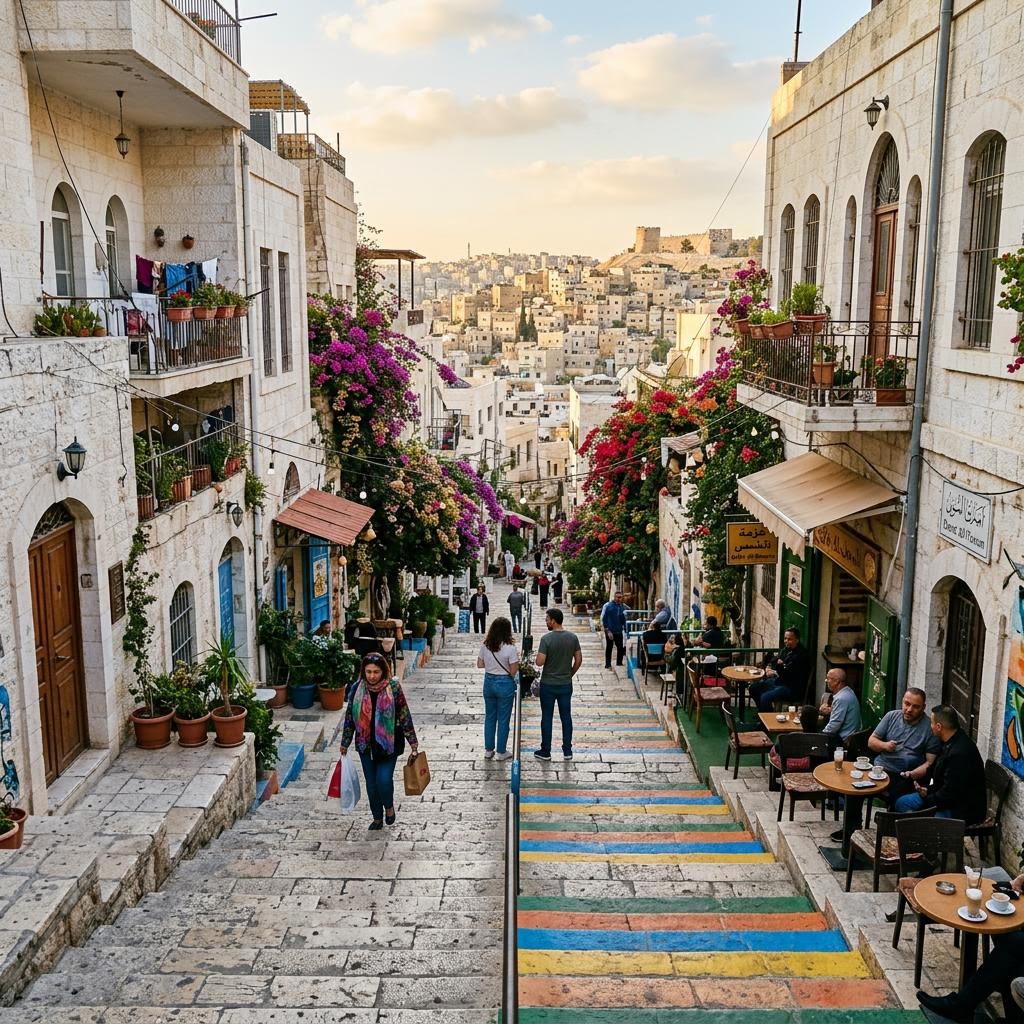
You may see Arabic script on road signs, menus, receipts and official documents. Transliteration can help with pronunciation, but spellings vary because Arabic sounds do not map perfectly onto English letters. A written Arabic address is often more useful than trying to pronounce a long hotel name, particularly when showing it to a driver.
What language do people speak in Jordan day to day?
In daily conversation, people speak Jordanian Arabic, with local accents and vocabulary shaped by family background and region. Amman is linguistically diverse and internationally connected; northern towns, the Jordan Valley, Petra-area communities, Wadi Rum and Aqaba each have their own social texture. The language remains Arabic, but you may hear different pronunciations, slang and borrowed words.
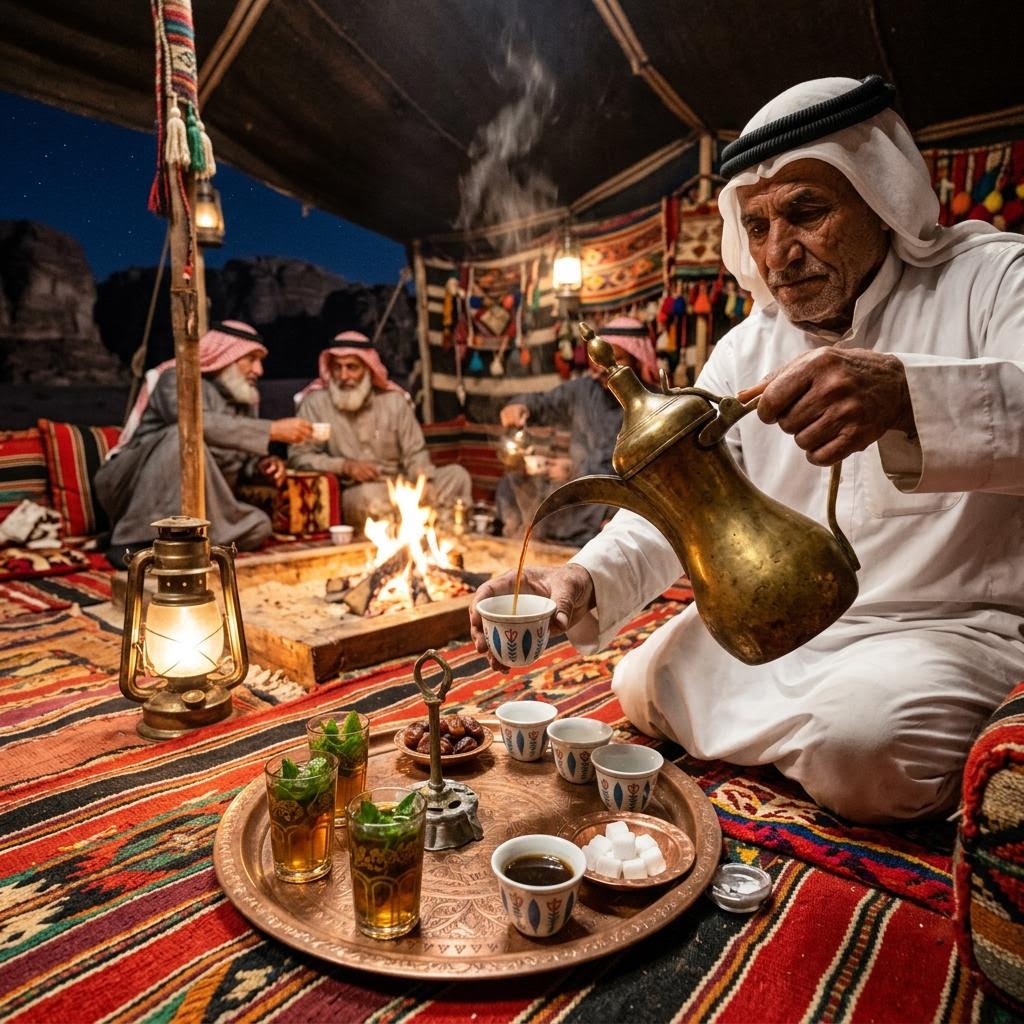
Hospitality often bridges language gaps. People may use gestures, a few English words or a phone translator to help a visitor. Slow speech, a friendly greeting and patience work better than repeating English more loudly. If a conversation concerns a booking, medication, dietary restriction or money, confirm the important detail in writing rather than relying only on gestures.
How widely is English used in Jordan?
English is widely taught and often understood in Amman, hotels, airports, major attractions and tourism businesses. Younger Jordanians and people working with international visitors may be especially comfortable using it. That does not mean every person you meet is fluent, and smaller shops, local transport or rural communities may require Arabic, simple phrases or translation support.
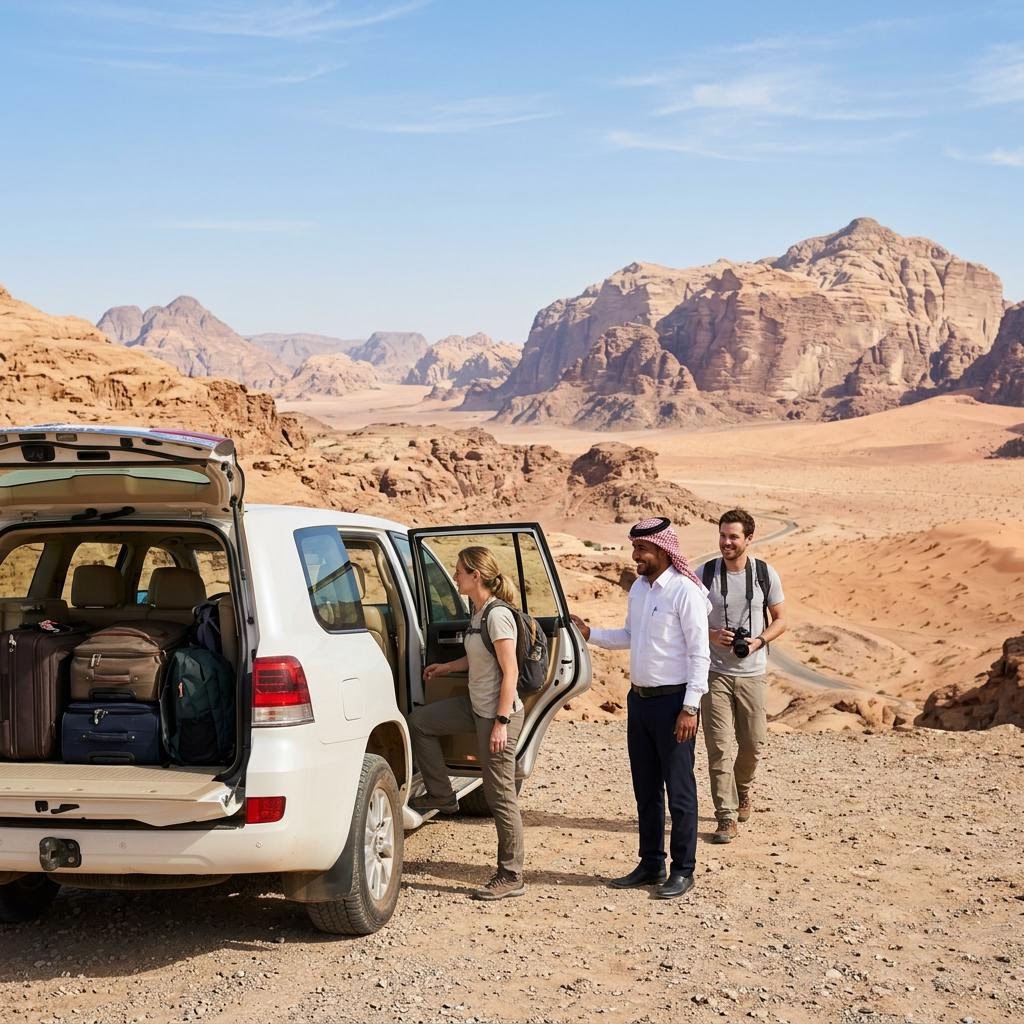
Tourism services can also vary by staff member and season. When booking a private tour, ask whether your arrangement includes an English-speaking licensed guide, an English-speaking driver or both. A driver who can help with basic communication is not automatically a licensed guide, and the distinction matters if you want detailed historical interpretation at a site.
Which Arabic phrases help visitors most?
Marhaba means hello, and ahlan wa sahlan is a warm welcome or greeting. Shukran means thank you; afwan can mean you are welcome or excuse me; min fadlak or min fadlik means please, with the ending varying by the person addressed. Sabah al-kheir is good morning, and masa al-kheir is good evening. Pronunciation does not need to be perfect for the effort to be appreciated.
Use la, shukran for a polite no thank you when declining a purchase or offer. Ask kam? for “how much?” and wayn? for “where?” A translation app can supply longer sentences, but keep the important destination written in Arabic. If you have allergies, carry a translated card because casual verbal reassurance may not be precise enough.
Does Arabic differ between Amman and tourist sites?
The basic language is the same, but speech changes naturally between cities, villages, desert communities and social groups. In Amman, you are more likely to find multilingual signs and English in restaurants, hotels and cultural venues. Around Petra, Wadi Rum, Aqaba and the Dead Sea, tourism workers commonly interact with international visitors, while nearby everyday businesses may operate mainly in Arabic.
Respectful curiosity is welcome. Ask someone to repeat a phrase instead of declaring it wrong, and avoid treating a local accent as a performance. Arabic calligraphy, names and greetings are part of living culture, not just a souvenir aesthetic. A few sincere words and careful listening are more useful than memorizing a long phrase list.
How can language affect Jordan travel planning?
Save hotel names, addresses, flight details and emergency contacts in both English and Arabic. Share dietary, medical and mobility needs with your accommodation and transport provider ahead of time. For a multi-stop journey, confirm whether your driver and licensed guide speak your preferred language and whether guiding is included at each archaeological site.
If you are self-driving, download maps and know the Arabic spelling of major towns. If you rely on taxis, show a pin and a written destination rather than only pronouncing it. These small steps reduce stress when signal is weak or a place has several transliterations. Availability of language support can vary, so confirm it for your dates.
What is the most respectful language etiquette?
Greet people before asking for help, use a calm tone and thank anyone who assists you. Dress and behavior matter as much as vocabulary at religious and family settings. Ask before photographing people, especially children, and do not assume that English fluency signals a desire to practice English for a long conversation.
You can travel comfortably without Arabic, but language is an invitation into local life. Start with a greeting, listen to the answer and accept that communication may take a little longer. Confirm current travel, site and service arrangements separately because language access, staffing and other details can change.
Frequently Asked Questions
What language is spoken in the country of Jordan?
Arabic is Jordan’s official and national language. Most people speak Jordanian Arabic in daily life, while Modern Standard Arabic is used in formal writing and official contexts. English is common in tourism and many professional settings but is not universal.
What language do people speak in Jordan at home?
People generally speak Jordanian Arabic at home and in ordinary conversation, with regional and family variations. Amman and tourism centers are multilingual, but everyday Arabic remains the main language across the country.
Is English widely spoken in Jordan?
English is often understood in hotels, airports, major attractions and tourism businesses, especially in Amman. Smaller shops, local transport and rural areas may rely more on Arabic, so a translation app and written destination are useful.
What is Jordan’s national language?
Jordan’s national and official language is Arabic. Jordanian Arabic is the everyday spoken variety, while Modern Standard Arabic appears in formal, educational, governmental and written settings.
Should I learn Arabic before traveling to Jordan?
Fluency is not necessary, but learning marhaba for hello and shukran for thank you is useful and respectful. Save important addresses in Arabic and confirm complex details in writing, particularly for medical, dietary or booking needs.
Plan this trip with us
Ready to experience Jordan with a local guide?
We plan and run private tours across all of Jordan — one message and your trip is in local hands.
Chat on WhatsApp