Short version: yes, the Dead Sea is safe to swim in — and calling it "swimming" is generous, because you mostly float there like a cork with opinions. The water is about 34% salt, roughly ten times saltier than the ocean, which means your body pops to the surface whether you like it or not. Drowning by sinking is not really the danger here.
The danger is everything else. We have watched brave tourists dive in headfirst, splash a friend, or wipe their eyes with a salty hand — and then perform a very memorable dance up the beach toward the freshwater shower. The Dead Sea does not hurt you if you respect it. It absolutely punishes you if you treat it like a swimming pool.
So here is the honest, been-there briefing we give every guest before they wade in.
Can you actually drown in the Dead Sea?
It is very hard to sink, but you can still get into trouble — usually by flipping face-down and struggling to right yourself. The extreme buoyancy makes your legs float up, so standing back up is awkward, and if you panic you can inhale water. Float calmly on your back, keep your face up, and stay in shallow water where you can plant your feet.
Swallowing the water is genuinely nasty. At ten times ocean salinity it can burn your throat and, in large amounts, upset the balance of minerals in your body. Nobody sips it twice. Keep your mouth closed, do not dunk your head, and if you get a mouthful, walk out and rinse.
Why does the Dead Sea sting so much?
That 34% salinity finds every tiny cut, shaving nick, scratch and mosquito bite you did not know you had, and lights it up like a neon sign. Your eyes are worst of all — one splash and it feels like citrus juice with ambitions.
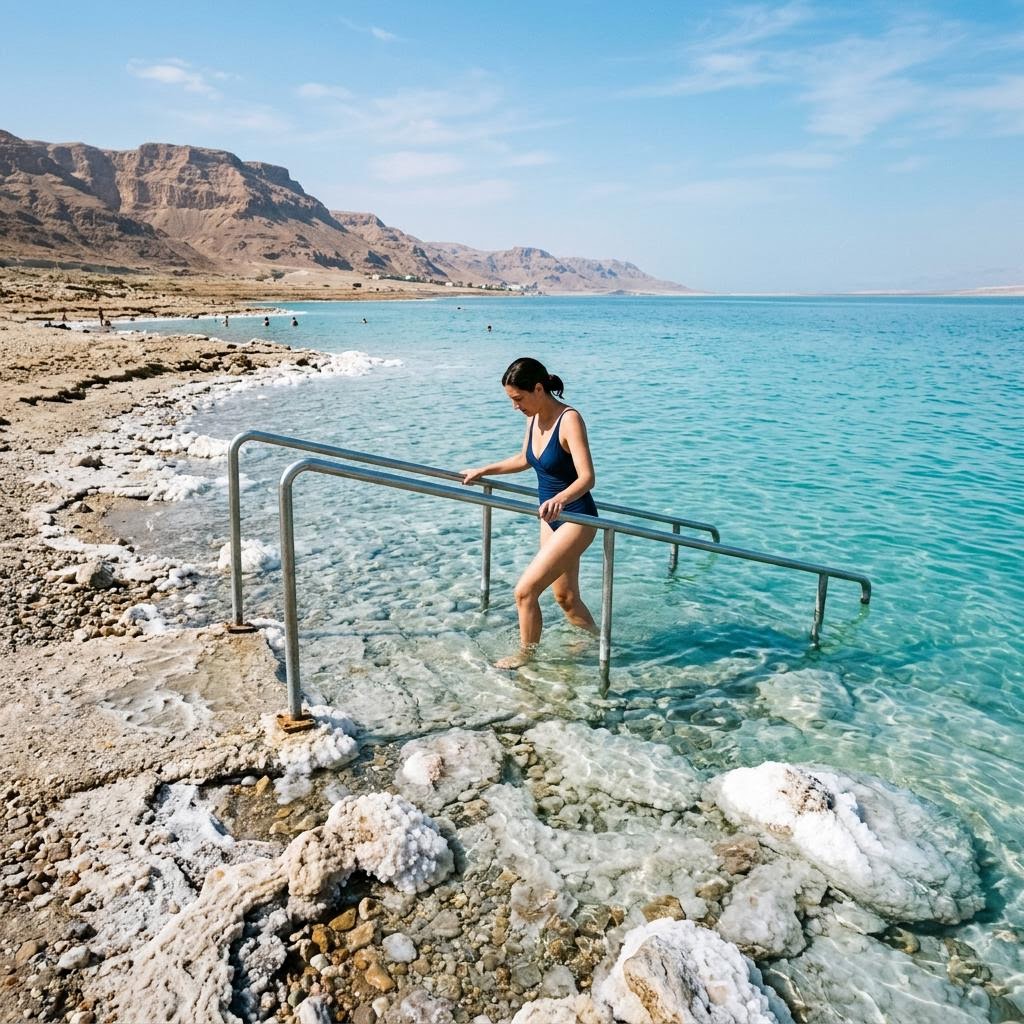
The fix is simple: do not shave your legs or face for 24 to 48 hours before you go, no matter how much you were looking forward to smooth beach photos. Enter slowly, never dive or jump, and keep splashing to an absolute minimum. If salt does get in your eyes, do not rub — get to a freshwater shower fast, which every proper resort and public beach provides.
How long should you stay in the water?
Keep each float to about 10 to 15 minutes, then get out and rinse. The mineral-heavy water is intense on skin, and longer soaks leave you feeling itchy and oddly greasy rather than refreshed. Two or three short sessions across an afternoon beat one long marathon.
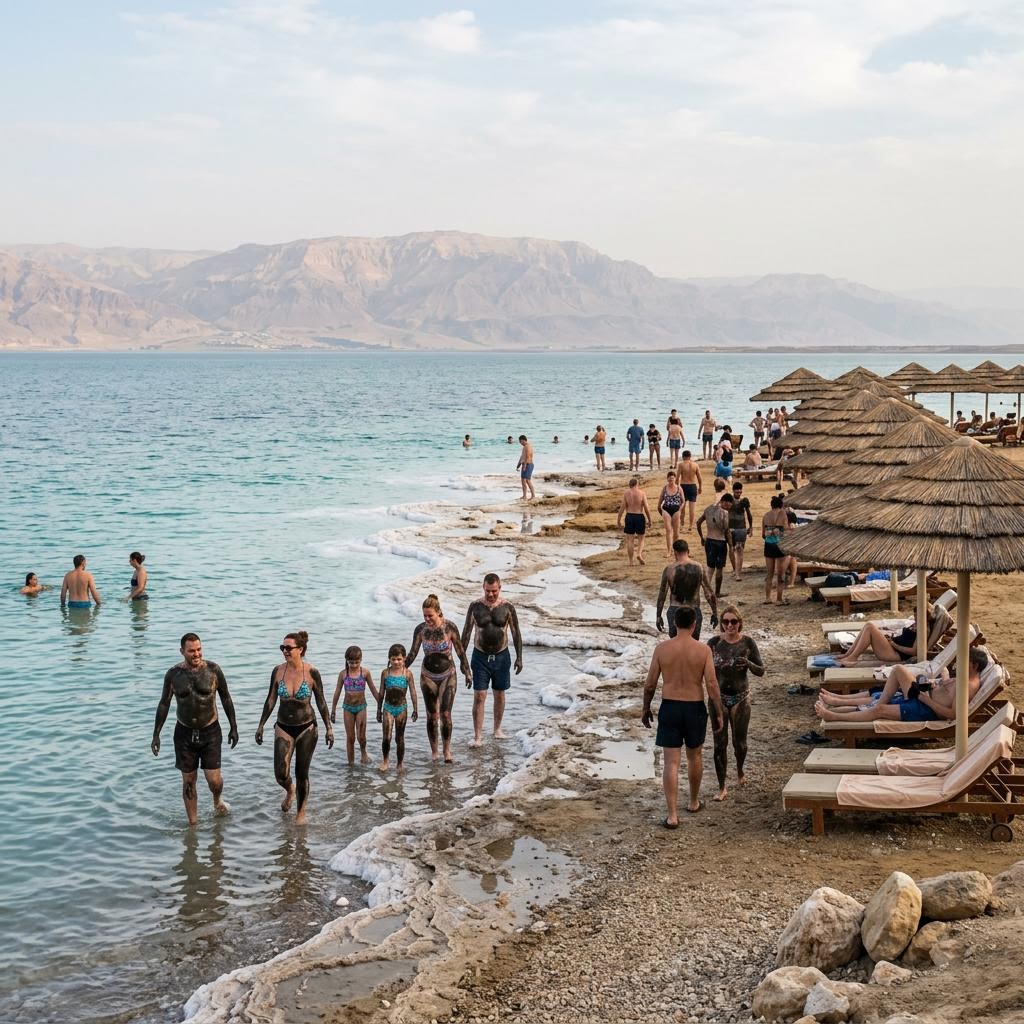
This is also the golden window for the famous Dead Sea mud. Slather on the black mud, let it dry for 10 to 15 minutes until you look like a swamp creature, take the obligatory photo, then rinse it off. Your skin will feel genuinely soft afterward — the one Dead Sea cliché that lives up to the hype.
What should I do right after getting out?
Rinse thoroughly with fresh water — every proper beach and resort has showers exactly for this. Salt left on your skin keeps working long after you leave, and salt-crusted swimwear dries stiff as cardboard. A quick shower turns the whole thing from novelty to genuinely pleasant.
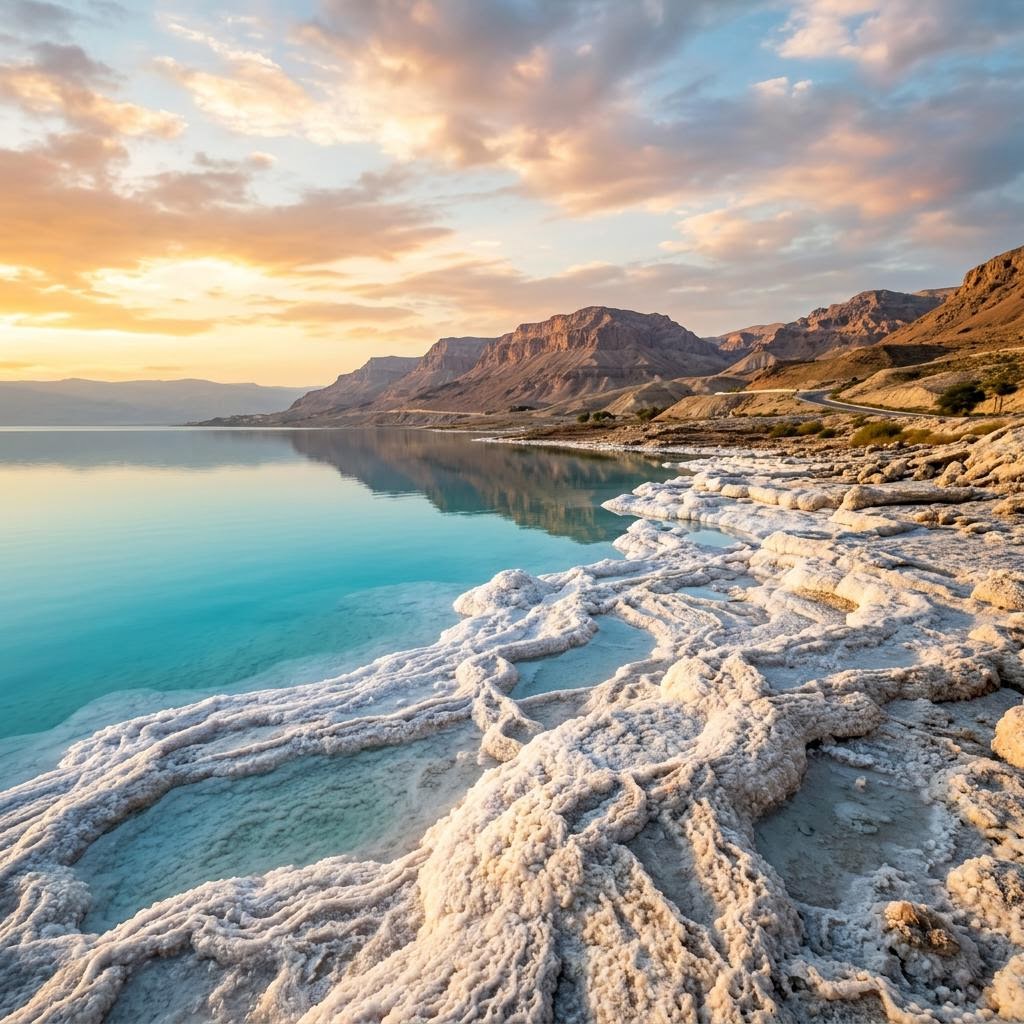
Wear old flip-flops or water shoes, because the shoreline is often crusted with sharp salt crystals that are not kind to bare feet. Bring a towel you do not love, plenty of drinking water (that 40°C summer heat is no joke at 430 metres below sea level), and sunscreen — the low altitude does not spare you the sun.
When we run a Dead Sea day with our private driver, we always route in a resort or a public beach with real freshwater showers, so nobody spends the ride back to Amman feeling like a human pretzel stick.
Frequently Asked Questions
Can you drown in the Dead Sea?
It is very difficult to sink because the water is about ten times saltier than the ocean and pushes your body to the surface. The real risk is flipping face-down and panicking, so float calmly on your back, keep your face up, and stay in shallow water where you can stand.
Why does the Dead Sea water sting?
At roughly 34% salinity, the water aggravates every cut, scratch and shaving nick, and it burns badly if it reaches your eyes. Avoid shaving for 24 to 48 hours beforehand, keep your face out of the water, and never rub your eyes — head straight to a freshwater shower instead.
How long should you stay in the Dead Sea?
Limit each float to about 10 to 15 minutes, then get out and rinse off with fresh water. The mineral-rich water is intense on skin, so several short sessions across an afternoon feel much better than one long soak, and you avoid the itchy, greasy feeling afterward.
Should I wear water shoes at the Dead Sea?
Yes, we strongly recommend flip-flops or water shoes. Much of the shoreline is crusted with hard, sharp salt crystals that can cut bare feet, and the seabed in places is uneven. Cheap water shoes make walking in and out far more comfortable.
Is Dead Sea mud safe to put on your skin?
Yes, the black mineral mud is safe for most people and popular for its softening effect. Apply it, let it dry for 10 to 15 minutes, then rinse thoroughly with fresh water. Keep it away from your eyes and any open cuts, since it carries the same salty sting as the water.
Plan this trip with us
Ready to experience Jordan with a local guide?
We plan and run private tours across all of Jordan — one message and your trip is in local hands.
Chat on WhatsApp