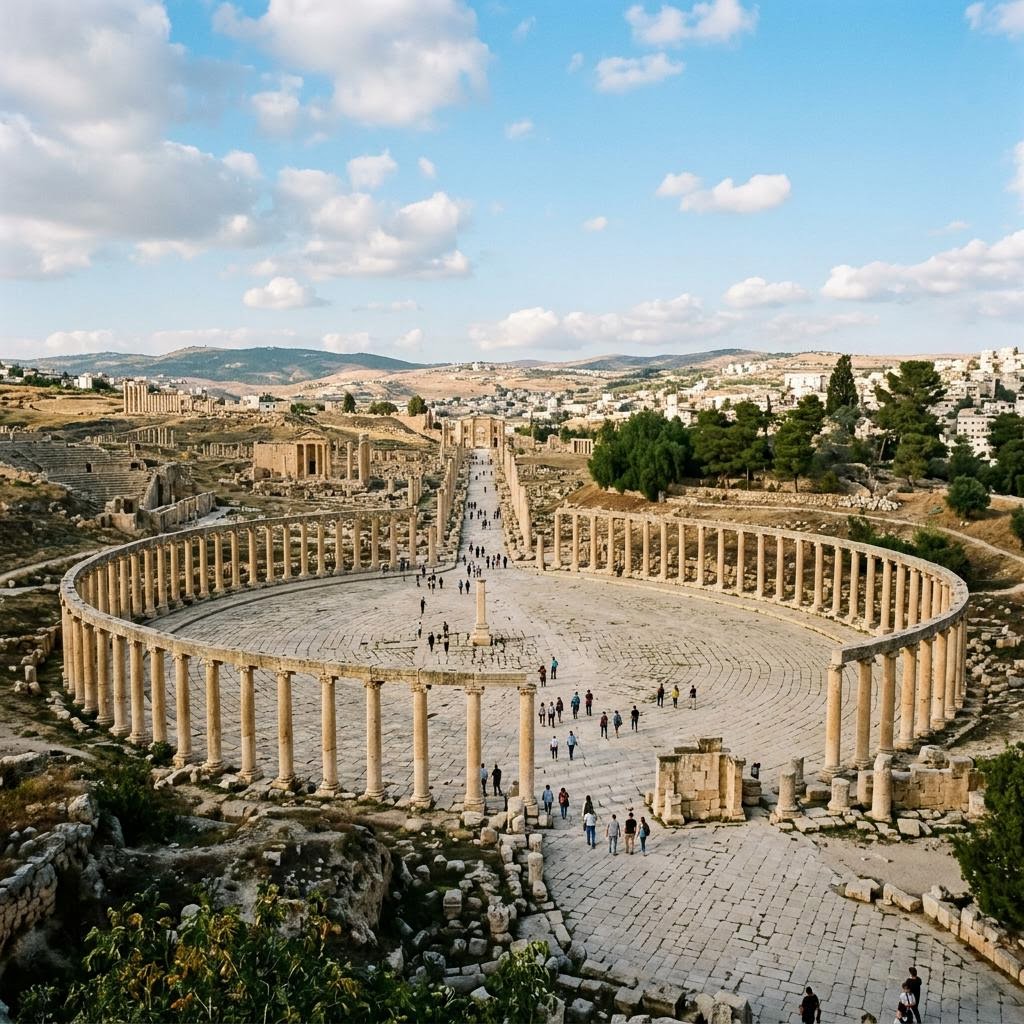
Most of the year, the Roman theatres of Jerash are magnificent, echoing and completely empty except for the one tourist testing the famous acoustics by clapping in the middle and looking delighted with themselves. For a couple of weeks each summer, though, those same theatres fill up with actual audiences, actual musicians and actual applause — the way they were built to.
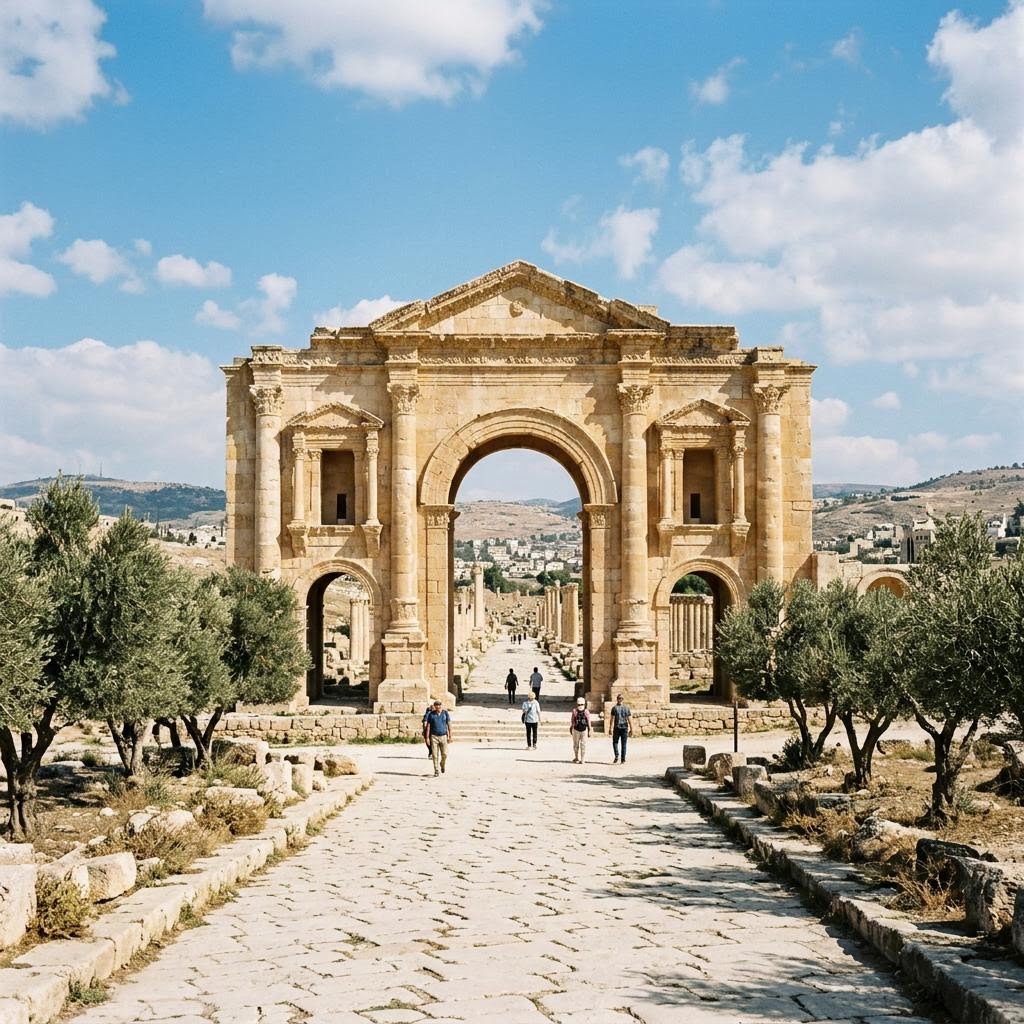
The Jerash Festival of Culture and Arts turns a 2,000-year-old provincial Roman city into a live venue, which is a spectacularly good idea that Jordan has been running since 1981. If you can time your trip to overlap with it, you get to watch a concert from stone seats where Roman citizens once watched theatre. If you cannot, the ruins are still worth every one of the 10 JOD to get in.
One important disclaimer before we go further: the festival dates move every year and are usually announced only a few months ahead. Do not book flights around a rumor. Treat everything below as "how it generally works" and confirm the current-year dates and program before you plan around it.
When is the Jerash Festival held?
The Jerash Festival is a summer event, typically staged across July or August, running for roughly two weeks. Exact dates change every year and are announced a few months in advance, so always verify the current-year schedule rather than trusting an old blog post — including this one.
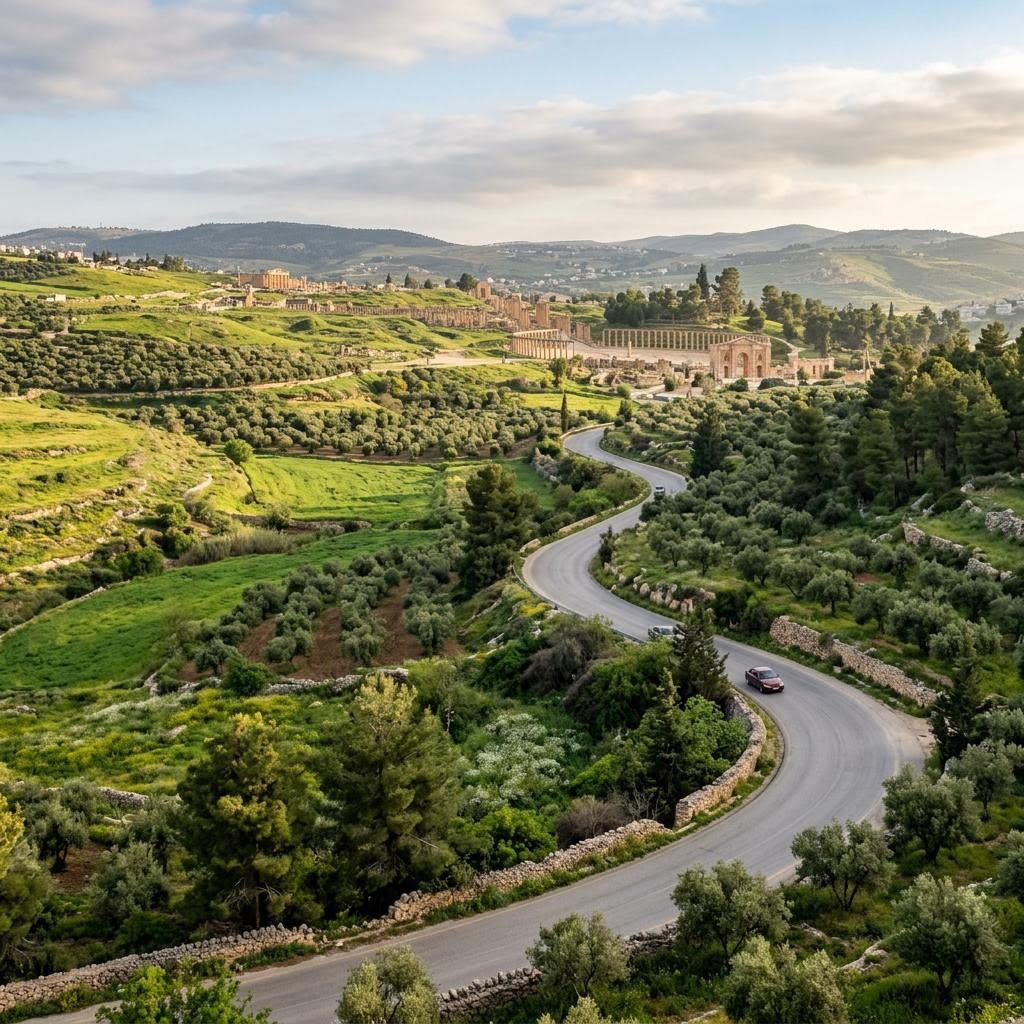
Summer in Jordan means hot days (35°C and up in the valleys), but Jerash sits in the cooler northern highlands, and the performances run in the evening once the heat has backed off. By concert time the stones have stopped radiating heat and the air is pleasant — which is exactly why nobody schedules this thing for a 2 p.m. matinee.
What happens at the festival?
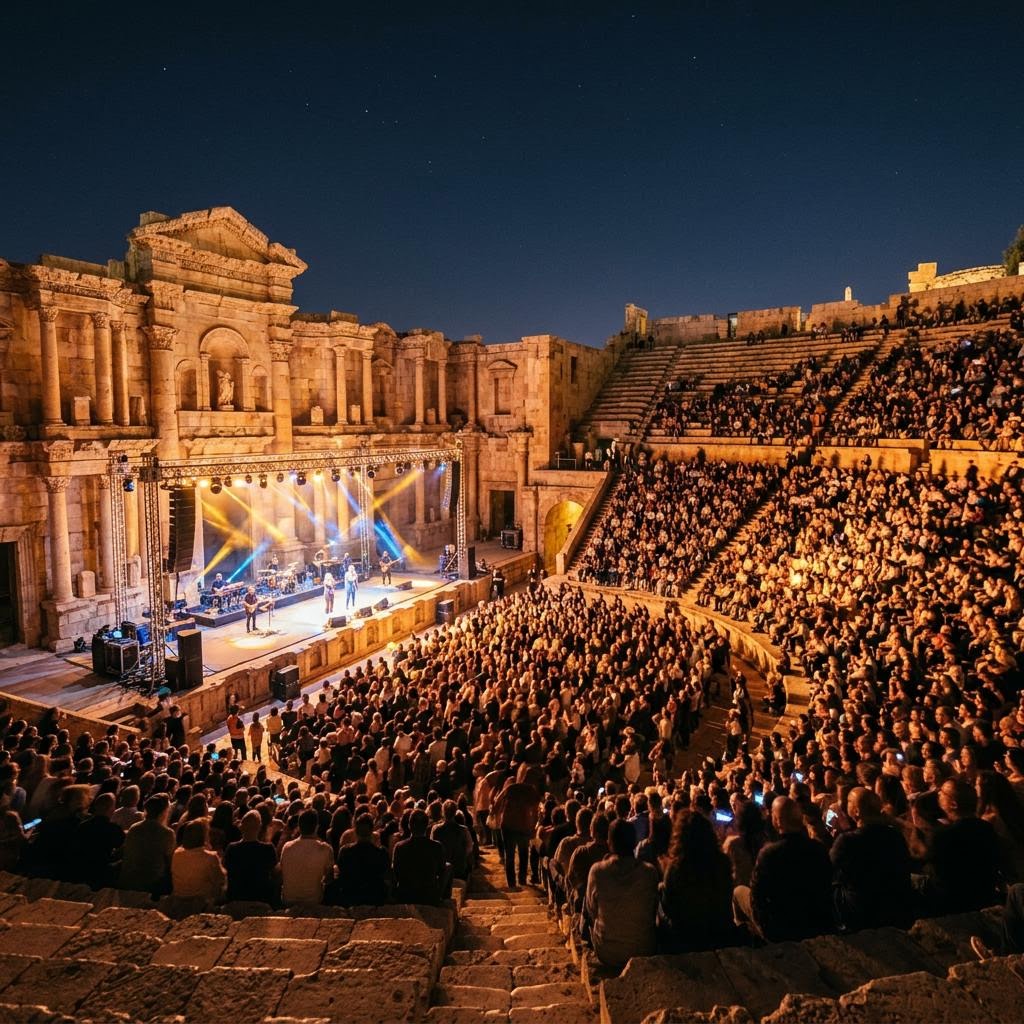
The program is a mix of music, dance, poetry and theatre — Arab and international performers, folk troupes, orchestras, and spoken-word evenings, staged inside the ancient venues themselves. The South Theatre and the North Theatre become concert halls; open plazas host craft markets and food stalls.
The magic is the setting. Hearing an oud player or a full orchestra in a Roman theatre with the columns lit against the night sky is the kind of thing that stays with people long after they have forgotten which emperor built what. Programs range from big-name Arab pop acts to classical Arabic music to European ensembles, so the crowd on any given night is genuinely mixed — families, students, culture tourists and locals who come every year.
How do tickets and evening visits work?
During the festival, evening performances require separate event tickets — these are not the same as the 10 JOD daytime site entry, and prices vary by show and seating. Buy them for the specific performance you want, ideally in advance for the popular acts.
The evening entry is its own thing: you come in for the show, not for a full walk-around of the ruins in the dark. So the smart move is to do both — visit Jerash properly during the day when you can actually see the carvings and the colonnaded street, then either stay in the area or return in the evening for a performance. It makes for a long but fantastic day.
How do you combine the festival with a day visit?
The cleanest plan is a daytime tour of Jerash followed by an evening concert, and the logistics are the tricky part — because after a night performance you need a ride back to Amman, and the "leaves when full" minibuses have long since stopped running.
This is where having a private driver quietly earns its keep. Our Jerash trips use a private car and professional driver who can collect you in Amman, wait through your daytime visit, and — if you are staying for a performance — get you back to your hotel afterwards without a midnight taxi negotiation in an empty parking lot. As always, the car and driver are what we provide; site entry, festival tickets and any on-site licensed guide are separate. Sort out your event ticket first, then let us handle the road.
Frequently Asked Questions
When is the Jerash Festival each year?
The Jerash Festival of Culture and Arts is typically held in July or August for about two weeks. Exact dates change annually and are usually announced only a few months in advance, so confirm the current-year schedule before booking travel around it rather than relying on previous years.
Are festival tickets separate from the site entry fee?
Yes. The 10 JOD daytime entrance to Jerash is separate from festival performance tickets. Evening event tickets are sold per show, with prices that vary by performance and seating. Buy the specific concert or event ticket you want, ideally in advance for popular acts.
Where do the performances take place?
Performances are staged inside the ancient venues themselves, mainly the South and North Roman theatres of Jerash, with craft markets and food stalls in the open plazas. Watching a concert from 2,000-year-old stone seating is the whole appeal of the festival.
Can I visit the ruins and see a show on the same day?
Yes, and it is the ideal plan. Tour Jerash by day when you can see the carvings and colonnaded street, then attend an evening performance. Just arrange transport back to Amman in advance, since the minibuses stop running long before a night concert ends.
Is the festival suitable if I do not speak Arabic?
Yes. The program mixes Arabic music, poetry and folk performances with international orchestras and ensembles, so much of it is musical and visual rather than language-dependent. Non-Arabic speakers regularly enjoy the concerts, and the setting inside the Roman theatres needs no translation.
Plan this trip with us
Ready to experience Jordan with a local guide?
We plan and run private tours across all of Jordan — one message and your trip is in local hands.
Chat on WhatsApp